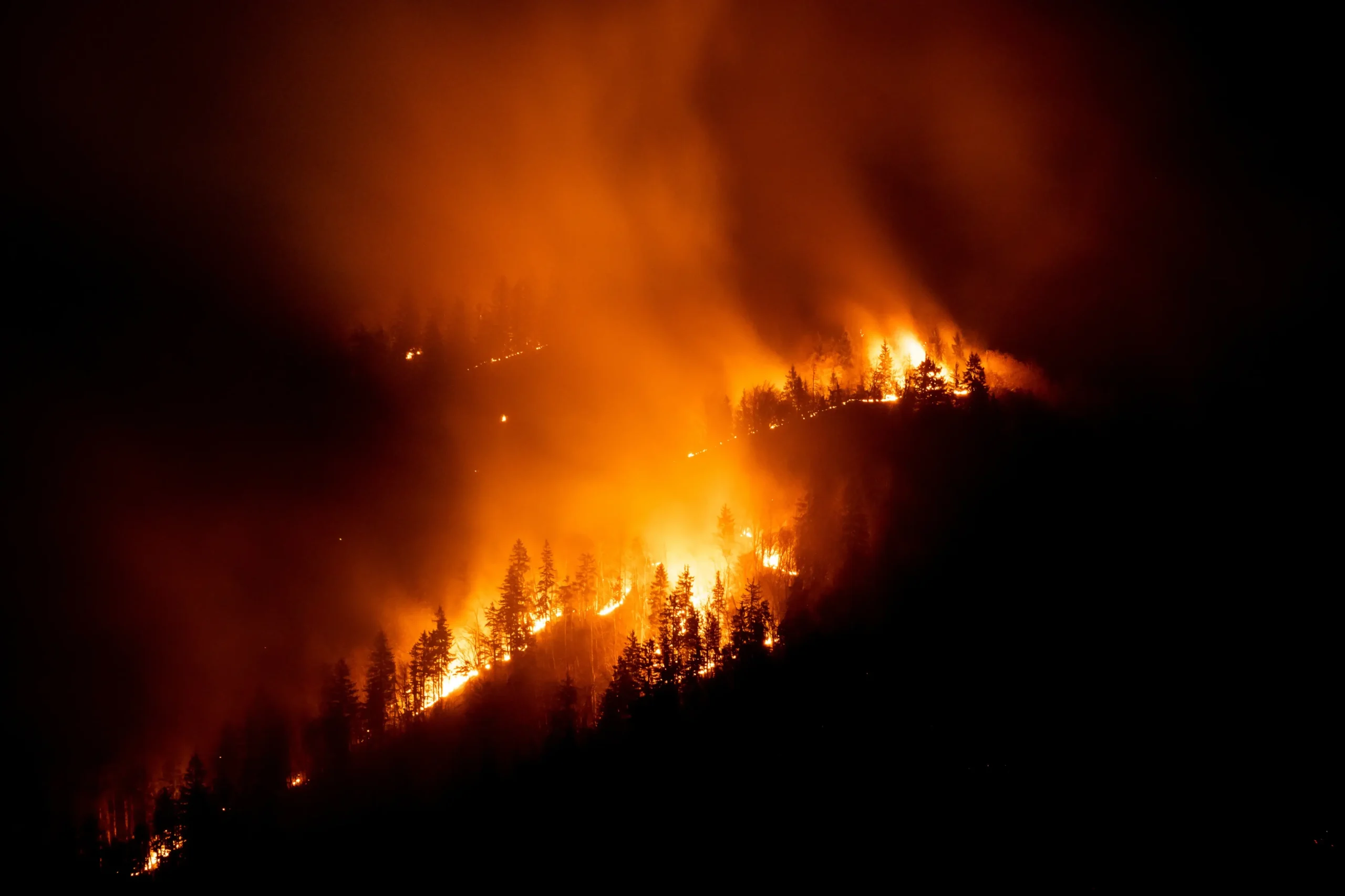
Wildfires are unfortunately quite common in certain parts of the U.S. That’s according to at least one study published by the Insurance Information Institute (III). It revealed that California has the highest number of reported wildfires each year, and Oregon has the most acres burned. The same study further notes that Colorado, Arizona, Oregon, Washington, and Texas also experience a fair number of wildfires.
What Causes Wildfires?
A heat source igniting dry vegetation accounts for 85% to 90% of all wildfires. Common heat sources include carelessly discarded cigarettes, powerline sparks, and lightning strikes. Other common causes include arson and spontaneous combustion from dry, decomposing organic materials that generate enough heat to ignite a fire.
Wildfires and Health Consequences
In addition to property damage, wildfires can cause severe air pollution. Studies show that air pollution from wildfires can trigger respiratory and cardiovascular issues, especially in young children and older adults. The following are some of the respiratory and cardiovascular issues linked to wildfires:
- Blood clots, which can restrict or completely block blood flow to vital organs
- Increased asthma attacks, chronic obstructive pulmonary disease (COPD) flare-ups, and pneumonia
- Increased risk of suffering or dying from arrhythmias, heart attacks, ischemic heart disease, strokes, and heart failure
- Inflamed airways and decreased lung capacity
- Systemic inflammation and increased blood pressure
- The onset of new or worsening respiratory symptoms, such as coughing, wheezing, bronchitis, chest pain, and difficulty breathing
Wildfires and the Environment
Wildfires can also contaminate water and destroy homes, vehicles, and other property. And it does not end there. High-severity wildfires can cause long-term soil damage, increasing the risk of landslides. When they occur, landslides can bury homes and block or damage roads and rail lines. They can also cause widespread disruptions to utility and communication lines, such as gas, water, electric, and fiber optic cables.
Property Damage and Wildfires
For homeowners, wildfires can melt siding, break windows, ruin landscaping, or destroy a home altogether. They can also expose a home’s occupants to ash and debris, both of which can contain asbestos, heavy metals, carcinogens, and other toxic substances. Wildfires also frequently go hand in hand with erosion and flooding. Current data shows that the average amount paid for claims involving wildfire damage is around $224,000.
For vehicle owners, wildfires can cause considerable vehicle damage. Studies show that the average amount paid for claims involving wildfire-related vehicle damage is approximately $9,655. The following are examples of how wildfires can cause vehicle damage:
- Corrosion and paint damage – Acidic ash from wildfires can cause corrosion and etching that dulls the paint on a vehicle.
- Lingering odors and toxicity – Wildfires can produce smoky odors that penetrate a vehicle’s upholstery, carpets, and headliners, all of which are difficult to remove.
- Air filter and engine damage – The soot and ash from wildfires can clog air filters, which can damage spark plugs, reduce engine performance, and even destroy an engine.
- Mechanical and electrical failure – The extreme temperatures associated with wildfires can melt wiring and plastic components in a vehicle and even damage a vehicle’s computer systems. All of these things can trigger mechanical and electrical problems that leave a vehicle inoperable.
Why You Should Hire an Attorney To Help You File a Wildfire Insurance Claim
Even though insurance often covers wildfire damage, homeowners and vehicle owners might still find themselves on the hook for higher monthly insurance premiums, medical expenses, and lost wages. Hiring an attorney to assist you in pursuing a wildfire insurance claim improves the odds of receiving the compensation you deserve to help cover these and other costs.
How an Attorney Can Help You Get the Compensation You Deserve for Wildfire Property Damage
An attorney can help you secure the maximum claim payout possible by taking the lead when it comes to the following aspects of pursuing a wildfire claim:
- Policy audit – This aspect of filing a wildfire claim involves an attorney reviewing a client’s policy to verify if it includes additional living expenses and law-and-ordinance upgrades. Both of these can help an attorney secure a larger payout for their client.
- Immediate notification – This part of filing a wildfire claim involves an attorney sending a first notice of loss (FNOL) to the client’s insurance provider.
- Claim strategy – As the title probably suggests, this aspect of filing a wildfire claim involves an attorney deciding on whether to file an individual claim or join a class action lawsuit against the party responsible for causing damage to the client’s property.
After completing a policy audit, sending an FNOL, and deciding on a claim strategy, an attorney will move forward with the following to help a client get the compensation they deserve:
- Arranging an independent investigation
- Submitting a sworn proof of loss document to the insurer
- Challenging insurer denials if they arise
- Engaging in discovery if moving forward with a lawsuit becomes necessary
Settlement Negotiations and Distribution
If an attorney is unable to secure a fair payout from an insurance provider, they will push for a settlement. And this can sometimes work in the client’s favor. Studies show that over 90% of these civil cases settle before ever reaching a trial. If settlement negotiations are successful, the attorney will handle not only the legal release forms but also the distribution of funds to the client. Should settlement negotiations fail, however, the attorney will move forward with a lawsuit.
Discuss Your Property Damage Claim With a Wildfire Attorney Today
Wildfires are common in many parts of the country, and they can destroy property and turn people’s lives completely upside down. While an insurance claim payout can often help people pick up the pieces and get their lives back in order, sometimes it is not enough. In these cases, hiring a tireless wildfire insurance lawyer is a good idea.