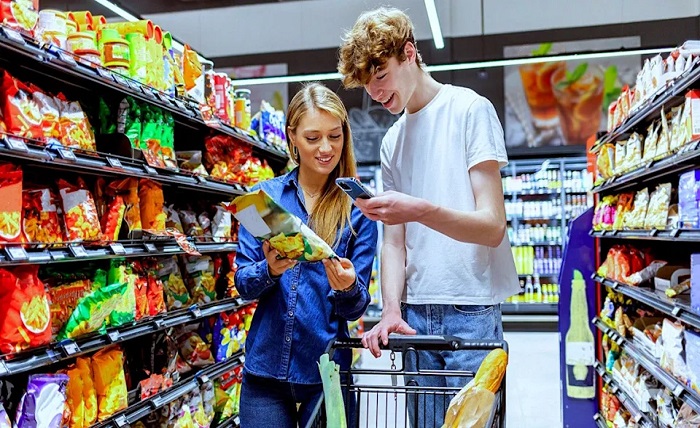
For most of the last fifty years, the snack aisle was the most predictable corner of the supermarket. The same brands. The same packaging. The same flavours, give or take an occasional limited-edition mango chilli something. Most households shopped from a fairly narrow rotation of products and rarely thought about it.
That predictability is finally cracking. Online grocery delivery, which spent the early 2020s scaling up around fresh produce and pantry staples, has steadily moved into snacks in ways that are quietly reshaping what a typical pantry looks like. The result is a category that is more interesting, more diverse, and more health-leaning than the supermarket version ever was.
What changed
Three forces converged.
The first is logistics. Cold chain, fast shipping, and direct-to-consumer fulfilment caught up to the point where small producers can now ship nationally without partnering with a supermarket chain. That removed the single biggest barrier between independent snack brands and a national audience.
The second is consumer demand. The same generation that normalised therapy, started reading food labels seriously, and turned gut health into a wellness conversation is unwilling to settle for the snack aisle their parents grew up with. They want better ingredients, lower sugar, less ultra-processed everything, and more diversity in what shows up in the cupboard.
The third is sustainability. Younger snack buyers are vocally interested in upcycled ingredients, reduced packaging waste, and ethical sourcing. Brands that lead with those values tend to thrive online, where they can tell a story directly to the consumer rather than competing on shelf space.
How online snack delivery actually works
The modern model looks more like a curated grocery shop than a snack subscription box. Shoppers browse a wider catalogue than any single supermarket carries, build an order, and have everything delivered alongside their regular groceries. Many of the products are small-batch, hard-to-find, or built around specific dietary preferences (gluten-free, vegan, lower sugar, organic).
Services like healthy snack delivery bring together small-batch makers, sustainable sourcing, and everyday favourites in one order, with snacks shipping alongside produce, proteins, and pantry essentials. The convenience is incidental. The bigger draw is the access to brands and products that simply do not show up in a typical local supermarket.
Why this shift matters more than it looks
Snacks are easy to dismiss as a small category, but they have an outsized effect on overall diet. A typical adult eats one to three snacks a day, often without thinking about them, which means snacks quietly determine a meaningful percentage of total calorie intake, sugar consumption, and processed-ingredient exposure.
Better defaults at the snack level translate into better daily eating without requiring conscious effort. A bag of upcycled vegetable chips in the pantry replaces a bag of regular ones, and the better choice becomes the default not through willpower but through availability.
This is the part of the food trend story that often gets missed. Most diet improvements do not come from heroic restraint. They come from changing what is in the cupboard.
Where this is heading
Two trends will shape the next few years.
The first is further specialisation. Online catalogues will keep expanding into niche categories, including high-protein snacks for fitness-focused buyers, allergen-free ranges, and culturally specific snack varieties that have been chronically underserved by mainstream supermarkets.
The second is integration. Snack delivery will keep merging with full grocery delivery rather than living as a separate subscription service. Customers want one weekly order, not three.
For now, the most underrated thing about online snack delivery is what it does to the quiet baseline of household eating. It is not glamorous, it does not photograph well, and it does not generate viral moments. It just shifts what is in the cupboard, and over time that shift is doing more than most diets ever could.
FAQs
What is a healthy snack delivery service? An online retailer that ships curated snacks directly to consumers, typically prioritising better ingredients, dietary preferences, and sustainability over the standard supermarket selection.
How is it different from buying snacks in a supermarket? Online services tend to carry a wider catalogue, including small-batch and specialty brands that supermarkets do not stock. They also make it easier to filter for specific dietary preferences (gluten-free, vegan, lower sugar, organic).
Are healthy snack deliveries more expensive than supermarket snacks? It varies. Specialty brands can be priced similarly online to in-store, particularly when bought as part of a larger grocery order. Standard mainstream brands may be slightly cheaper at supermarkets due to volume discounts.
Can I add snacks to a regular grocery order? Yes, most modern online grocers allow snacks to be added to a single weekly order alongside produce, dairy, proteins, and pantry items. Separate snack-only subscriptions are less common now.
Are subscription boxes the same as snack delivery? No. Subscription boxes typically send a fixed selection on a monthly cadence, while snack delivery through a grocery service lets the customer choose what they actually want each week.
What snack categories are growing fastest online? High-protein snacks, plant-based options, low-sugar alternatives, gluten-free ranges, and snacks made with upcycled ingredients are all expanding faster than the mainstream snack category.
Is sustainability really part of the appeal? For many shoppers, yes. Brands using recycled packaging, upcycled ingredients, or ethical sourcing tend to perform better online, where their story can reach the consumer directly.
Are these snacks actually healthier? Many are, but not automatically. “Healthy” still requires reading labels. The biggest difference is access to better options, not a guarantee that every product is nutritionally superior to a supermarket equivalent.
Can I order snacks for the office? Most services support larger orders. Office snack programmes increasingly use online delivery rather than supermarket runs, particularly in workplaces with hybrid schedules where snacks need to last across uneven attendance.