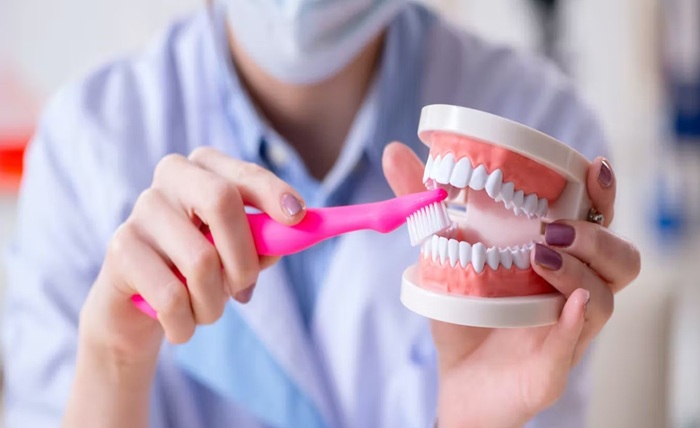
Teeth cleaning is one of the most important parts of looking after your oral health. Even if you brush carefully every day, plaque and tartar can still build up in areas that are difficult to reach, especially between the teeth, around the gumline, behind the lower front teeth and around restorations. Over time, this build-up can contribute to gum inflammation, bleeding, bad breath, staining and a higher risk of dental problems.
At Gateway Dental Practice in Burgess Hill, teeth cleaning is not seen as a cosmetic extra. It is part of preventive dental care and plays an important role in helping patients keep their teeth and gums healthy for longer. For some patients, a hygiene appointment is about removing staining and feeling fresher. For others, it is about managing bleeding gums, supporting periodontal health or maintaining dental implants, crowns, bridges or orthodontic appliances.
Many patients ask how professional teeth cleaning works, what air polishing does, whether it is suitable for sensitive teeth, why bleeding gums should not be ignored and how often they should see a hygienist. These are very common questions, and the answers depend on the individual condition of the mouth.
In this article, we will explain teeth cleaning in Burgess Hill in a simple and reassuring way, with a focus on professional hygiene care, air polishing with micro-powders, gum health, prevention and what patients should avoid doing at home.
What is professional teeth cleaning and why is it important?
Professional teeth cleaning is a dental hygiene treatment designed to remove plaque, tartar and surface staining from the teeth. It is carried out by a dental professional using instruments and techniques that are not available through normal brushing at home. The aim is to support healthier gums, cleaner teeth and a fresher mouth, while also helping the patient understand how to improve daily oral care.
Plaque forms on the teeth every day. It is a soft layer of bacteria that can usually be removed with good brushing and interdental cleaning. However, when plaque is not removed effectively, it can harden into tartar. Once tartar has formed, a toothbrush cannot remove it. It needs to be cleaned professionally. This is one of the main reasons why regular hygiene appointments are so important.
Tartar often builds up in areas that are easy to miss, such as behind the lower front teeth, around crowded teeth, along the gumline and between teeth. If it stays there, it can irritate the gums. Patients may notice bleeding when brushing, tenderness, swelling, bad breath or a feeling that the teeth are not as smooth as they used to be.
At Gateway Dental Practice, teeth cleaning in Burgess Hill is approached as part of wider oral health care. The hygienist or dentist does not simply remove deposits; they also assess the condition of the gums, identify areas where plaque is collecting and explain how the patient can clean more effectively at home.
It is important not to try to scrape tartar away at home with sharp tools. This can damage enamel, injure the gums and leave rough areas where plaque can collect more easily. Professional cleaning is safer because it is carried out with appropriate instruments, clinical visibility and an understanding of the gums and tooth surfaces.
A hygiene appointment can leave the mouth feeling cleaner, but its deeper value is preventive. It helps reduce bacterial build-up, supports gum stability and gives patients practical guidance to maintain their oral health between visits.
How does air polishing with micro-powders work?
Air polishing with micro-powders is a modern hygiene technique that can help remove surface staining, soft plaque and biofilm from the teeth. It uses a controlled combination of air, water and fine powder particles to clean tooth surfaces in a gentle and precise way. Many patients appreciate the smooth, fresh feeling after this type of treatment.
This method can be particularly useful for stains caused by everyday habits such as drinking tea, coffee or red wine, or from certain foods. It may also help clean areas around orthodontic appliances, restorations or spaces that are more difficult to reach with traditional cleaning alone. However, it is not a replacement for every part of a hygiene appointment. If tartar is present, scaling may still be needed to remove hardened deposits.
At Gateway Dental Practice in Burgess Hill, air polishing may be recommended when it is suitable for the patient’s oral condition. The dental team will assess the gums, teeth and any restorations before deciding which hygiene approach is most appropriate. Some patients may benefit from air polishing as part of a routine clean, while others may need periodontal care, deeper cleaning or a more tailored plan.
Patients often ask whether air polishing whitens the teeth. It is important to be clear: air polishing can remove external surface stains, which may make the teeth look brighter and cleaner, but it does not change the natural colour of the tooth in the same way as professional whitening treatment. If a patient is concerned about tooth colour, the dentist can explain the difference between stain removal and whitening.
Air polishing should not be confused with DIY stain-removal methods. Abrasive powders, charcoal products, lemon juice, bicarbonate mixtures or online “scrubbing” techniques can damage enamel and irritate the gums. A professional approach is safer because the correct method is chosen after assessing the mouth.
When used appropriately, air polishing can be a valuable part of teeth cleaning in Burgess Hill, especially for patients who want a clean, fresh feeling while also supporting gum health and plaque control.
Why do gums bleed and can teeth cleaning help?
Bleeding gums are common, but they should not be ignored. Many patients notice blood when brushing, flossing or biting into certain foods. Some assume they are brushing too hard, while others stop cleaning the area because they are afraid of making it worse. In many cases, bleeding is linked to gum inflammation caused by plaque build-up.
When plaque collects along the gumline, the gums can become irritated. They may look red, swollen or tender, and they may bleed more easily. This early stage of gum inflammation can often improve with better cleaning and professional support. However, if plaque and tartar remain in place for too long, the inflammation may progress and begin to affect deeper supporting tissues.
Professional teeth cleaning can help because it removes deposits that are difficult or impossible to remove at home. During the appointment, the hygienist can clean around the gumline, remove tartar and explain how to clean the areas that are being missed. This is especially important because bleeding gums often improve when plaque control improves, but patients need the right technique and tools.
At Gateway Dental Practice, gum health is taken seriously. The practice provides oral hygiene care and periodontal support, meaning that patients with gum concerns can be assessed and guided appropriately. If signs of more advanced gum disease are present, the dental team may recommend a more detailed periodontal assessment or a tailored gum care plan.
Patients should not rely on mouthwash alone to stop bleeding gums. Mouthwash may help in certain situations if recommended by a dentist, but it does not remove tartar and cannot replace mechanical cleaning. Stopping brushing because the gums bleed is also not the right solution. In most cases, the area needs more effective cleaning, not less.
If your gums bleed regularly, professional assessment is the safest step. Teeth cleaning in Burgess Hill can help identify the cause, reduce plaque and tartar, and support healthier gums with advice that is personalised to your mouth.
Can teeth cleaning help with bad breath?
Bad breath can be uncomfortable and embarrassing, but it is also very common. In many cases, it is linked to bacteria in the mouth. Plaque, tartar, food debris, gum inflammation, tongue coating, dry mouth, cavities or poorly fitting restorations can all contribute to unpleasant breath. Professional teeth cleaning can help when the cause is related to bacterial build-up around the teeth and gums.
When plaque and tartar collect along the gumline or between teeth, they create areas where bacteria can remain undisturbed. These bacteria can release odours, especially if gum inflammation is present. A hygiene appointment removes deposits, reduces plaque retention and helps the patient clean more effectively at home.
However, bad breath should not be treated only with mints or mouthwash. These may temporarily mask the smell, but they do not address the cause. If bad breath keeps returning, it is important to understand why. A dentist or hygienist can assess the gums, teeth, tongue and restorations to identify possible contributing factors.
At Gateway Dental Practice in Burgess Hill, patients are encouraged to discuss concerns openly. Bad breath is a health issue, not something to feel ashamed of. The dental team can provide practical advice on brushing, interdental cleaning, tongue cleaning and hydration, as well as checking whether there are dental problems that need treatment.
Sometimes bad breath is linked to gum disease. In other cases, it may be related to decay, trapped food around a broken filling, a dry mouth caused by medication or general health factors. This is why professional assessment matters. The correct advice depends on the cause.
Patients should avoid harsh DIY remedies such as rinsing with undiluted hydrogen peroxide, using abrasive powders, overusing strong mouthwashes or scraping the tongue aggressively. These methods can irritate the mouth and may make sensitivity or dryness worse.
Professional teeth cleaning can be an effective step toward fresher breath when plaque and gum inflammation are contributing factors. More importantly, it gives the patient a clear understanding of how to maintain freshness safely every day.
How often should you have teeth cleaning in Burgess Hill?
The right frequency for teeth cleaning depends on the individual patient. Some people may need hygiene appointments at regular preventive intervals, while others may require more frequent support because of gum disease, heavy tartar build-up, dental implants, orthodontic appliances, smoking, medical conditions or difficulty cleaning certain areas.
There is no single schedule that is right for everyone. A patient with very stable gums and excellent home care may need a different routine from someone with bleeding gums, periodontal concerns or a history of tooth loss. This is why the dental team should assess your mouth before advising how often you should attend.
At Gateway Dental Practice, recommendations are based on clinical need. During your check-up or hygiene appointment, the dentist or hygienist can evaluate plaque levels, tartar build-up, gum health, bleeding, pocket measurements where appropriate, and any risk factors that may affect your oral health. From there, they can recommend a maintenance plan that suits your situation.
Regular teeth cleaning is especially important for patients with restorations such as crowns, bridges, veneers, dentures or dental implants. These treatments need careful cleaning and monitoring. Plaque can collect around edges, under bridges or around implant-supported restorations, and professional care can help protect the surrounding tissues.
Patients wearing fixed braces or removable orthodontic appliances may also benefit from tailored hygiene support. Brackets, wires and aligner attachments can create more plaque-retentive areas, so cleaning needs to be precise and consistent. A hygienist can demonstrate techniques and tools that make home care easier.
It is important not to wait until the teeth feel rough or the gums bleed before booking a cleaning appointment. Prevention is usually more comfortable and more effective than waiting for symptoms. Regular hygiene care helps maintain stability and allows the dental team to detect changes earlier.
If you are unsure how often you need teeth cleaning in Burgess Hill, the safest answer is to have your oral health assessed and follow personalised advice from the dental team.
What should you avoid doing at home to clean your teeth?
Good home care is essential, but not every cleaning method is safe. Many patients see online advice promising whiter, cleaner teeth using household ingredients or strong abrasive products. These methods can be harmful and should be avoided.
One common mistake is brushing too hard. Patients sometimes believe that more pressure means cleaner teeth, but aggressive brushing can wear away enamel, damage the gumline and contribute to sensitivity. A soft or medium toothbrush, gentle pressure and correct technique are usually more effective than force.
Patients should also avoid scraping tartar at home. Metal tools sold online can injure the gums, scratch the enamel and push bacteria under the gumline. Tartar removal requires professional training and proper visibility. If you can feel rough deposits on your teeth, a hygiene appointment is the correct solution.
DIY whitening or stain-removal methods can also cause damage. Lemon juice, vinegar, charcoal powders, bicarbonate mixtures and abrasive pastes may remove some surface stain temporarily, but they can also weaken enamel or irritate the gums. Once enamel is damaged, it does not grow back.
Another risk is using dental floss, interdental brushes or toothpicks incorrectly. These tools can be very useful when chosen and used properly, but forcing them into tight spaces or using the wrong size can traumatise the gums. A hygienist can show you which tools suit your mouth and how to use them safely.
At Gateway Dental Practice in Burgess Hill, patients receive personalised home care advice during hygiene appointments. This guidance is important because each mouth is different. Crowded teeth, implants, bridges, braces, gum recession and sensitivity all require slightly different cleaning strategies.
Home care should support professional dentistry, not replace it. Brushing and interdental cleaning are daily habits, while professional teeth cleaning removes what home care cannot and helps you refine your technique over time.
Can teeth cleaning be suitable for sensitive teeth?
Teeth cleaning can be suitable for patients with sensitive teeth, but the dental team should always know about the sensitivity before treatment begins. Sensitivity can have different causes, including gum recession, enamel wear, exposed dentine, tooth grinding, cracked teeth, decay, recent whitening or inflammation around the gums. Understanding the cause helps the hygienist or dentist choose the right approach.
Some patients avoid hygiene appointments because they worry cleaning will hurt. This is understandable, especially if they have had uncomfortable experiences in the past. However, delaying professional cleaning may allow plaque and tartar to build up, which can make gum inflammation worse and increase discomfort over time. The solution is not to avoid care, but to adapt it.
At Gateway Dental Practice, the team aims to make treatment as comfortable as possible. If you have sensitive teeth, tell the hygienist where the sensitivity occurs, what triggers it and how long it lasts. The appointment can then be adjusted. This may include using gentler techniques, taking breaks, avoiding certain areas temporarily, applying desensitising advice or recommending further assessment if a tooth needs diagnosis.
Air polishing with micro-powders may be suitable for some patients with sensitivity, depending on the condition of the teeth and gums. In other cases, traditional scaling or a different hygiene approach may be more appropriate. The choice should always be made after looking at the mouth, not based on a general assumption.
Patients with sensitivity should avoid harsh whitening products, abrasive toothpastes and acidic home remedies. These can make sensitivity worse. It is also important not to brush immediately after acidic drinks or foods, as enamel may be temporarily softened. Your dentist or hygienist can give advice based on your diet and oral condition.
If sensitivity is sudden, severe or limited to one tooth, it should be assessed by a dentist. Professional teeth cleaning can support oral health, but the cause of sensitivity must be understood to ensure the right care is provided.
Why is teeth cleaning important before cosmetic or restorative treatment?
Teeth cleaning is often recommended before cosmetic or restorative dental treatment because healthy gums and clean tooth surfaces provide a better foundation for care. Whether a patient is considering whitening, composite bonding, veneers, crowns, bridges, dental implants or orthodontic treatment, oral hygiene plays an important role in the quality and stability of the result.
If plaque and tartar are present, the gums may be inflamed or swollen. This can make it more difficult to take accurate scans or impressions, match tooth colour, place restorations or assess the true gumline. Cleaning the teeth first helps the dental team work with healthier tissues and clearer surfaces.
For smile makeovers, professional cleaning can remove surface stains and reveal the natural shade of the teeth. This is important when planning aesthetic treatment because the dentist needs to understand the real colour, shape and condition of the teeth before recommending options. It would not be sensible to plan cosmetic treatment over unhealthy gums or heavy plaque deposits.
Before implant treatment, gum health is especially important. Implants need stable tissues and careful long-term maintenance. If a patient has active gum inflammation or periodontal disease, this may need to be managed before implant placement is considered. Teeth cleaning and periodontal care can be part of preparing the mouth for treatment.
Before orthodontic treatment, including clear aligners or fixed braces, hygiene is also essential. Moving teeth in a mouth with poor plaque control can increase the risk of gum problems, enamel marks or decay. A hygiene appointment can help patients understand how to clean effectively before treatment begins.
At Gateway Dental Practice in Burgess Hill, dental care is planned with a whole-mouth approach. This means that the health of the teeth and gums is considered before moving into cosmetic or restorative procedures. The aim is not only to improve appearance, but to support comfort, function and long-term oral health.
Patients should avoid starting cosmetic treatments without first addressing hygiene and gum health. A clean, healthy foundation is always the better starting point.
How does Gateway Dental Practice support teeth cleaning in Burgess Hill?
Gateway Dental Practice supports teeth cleaning in Burgess Hill with a preventive, patient-centred approach. The practice is located on Station Road and welcomes patients from Burgess Hill and nearby areas such as Haywards Heath, Cuckfield, Wivelsfield, Ditchling, Hassocks, Hurstpierpoint and surrounding villages.
The aim of hygiene care is not only to clean the teeth, but to help patients understand their oral health. Many people brush every day but still miss certain areas. This is not a reason to feel embarrassed. It simply means that the mouth may need a more personalised cleaning strategy. The dental team can show patients where plaque is collecting and suggest practical ways to improve.
Gateway Dental Practice offers oral hygiene support, periodontal care and air polishing with micro-powders when suitable. This allows the team to tailor care to different needs, whether the patient has light staining, tartar build-up, bleeding gums, implants, restorations, orthodontic appliances or a history of gum problems.
Technology can also support the patient experience. Intraoral cameras may help show areas of concern, while digital radiology and other diagnostic tools can be used when needed to understand the mouth more clearly. When patients can see and understand what is happening, they often feel more motivated and confident in their home care.
The practice’s tone is simple, empathetic and transparent. Patients are encouraged to ask questions, explain worries and discuss sensitivity or anxiety before treatment begins. This is especially important for patients who have avoided hygiene appointments because of fear, embarrassment or previous discomfort.
For nervous patients, the team can take a calm, step-by-step approach. In suitable cases and for certain treatments, sedation options may be discussed, especially if anxiety has become a barrier to receiving dental care.
Teeth cleaning at Gateway Dental Practice is part of a wider commitment to prevention, gum health and long-term patient relationships. The goal is to help each patient maintain a cleaner, healthier and more comfortable mouth with advice that fits their individual needs.
Conclusion on teeth cleaning in Burgess Hill
Teeth cleaning in Burgess Hill is an important part of maintaining healthy teeth and gums. Professional hygiene care can remove plaque, tartar and surface staining, support fresher breath, help manage bleeding gums and reduce the risk of future dental problems. Air polishing with micro-powders may also be recommended when suitable, especially for patients who want help with surface stains and biofilm removal.
The most important message is that teeth cleaning should be personalised. Sensitive teeth, gum disease, dental implants, orthodontic appliances, restorations and daily habits all influence the best approach. This is why professional assessment and tailored advice are so valuable.
At Gateway Dental Practice in Burgess Hill, patients are supported with empathy, clear explanations and a focus on prevention. The dental team can help you understand your oral health, improve your home care routine and receive hygiene treatment that suits your individual situation.
If you would like to know more about teeth cleaning in Burgess Hill, contact Gateway Dental Practice to arrange an appointment and receive personalised advice from the dental team.