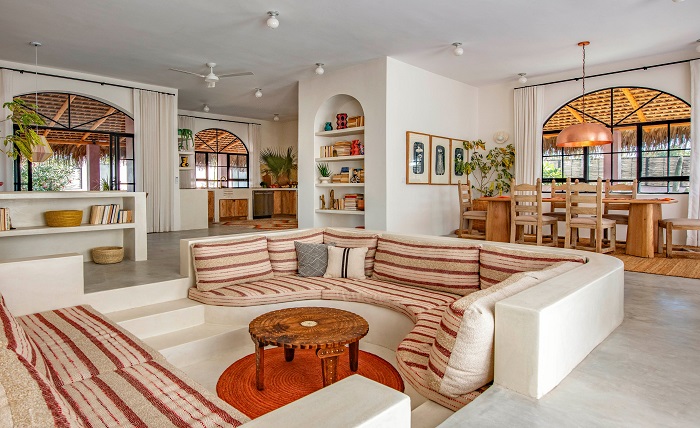
A conversation pit is a recessed seating area built below the main floor level of a room. Designed to encourage face-to-face interaction, a conversation pit typically features built-in seating, comfortable cushions, and a central focal point such as a coffee table or fireplace. The unique sunken layout of a conversation pit creates an intimate atmosphere that naturally brings people together.
The concept of a conversation pit emerged during the mid-20th century when architects and interior designers sought innovative ways to make living spaces more social. Unlike traditional furniture arrangements, a conversation pit encourages meaningful discussions by positioning guests closer to one another.
Today, the conversation pit is experiencing a revival as homeowners seek creative and stylish ways to transform their living spaces. Whether installed in a modern home or incorporated into a retro-inspired design, a conversation pit offers both functionality and visual appeal.
The History of the Conversation Pit
The history of the conversation pit dates back to the 1950s and 1960s, a period known for groundbreaking architectural experimentation. One of the earliest and most famous examples of a conversation pit was created by architect Bruce Goff, whose innovative designs emphasized social interaction and spatial creativity.
As modernist architecture gained popularity, the conversation pit became a symbol of luxury and sophistication. Wealthy homeowners embraced the conversation pit because it offered a distinctive and welcoming space for entertaining guests. During this era, the conversation pit often appeared alongside other iconic design elements such as open floor plans and floor-to-ceiling windows.
The popularity of the conversation pit declined in the 1980s and 1990s as design trends shifted toward more conventional living room layouts. However, social media platforms and renewed interest in retro design have helped the conversation pit make a strong comeback in recent years.
Why the Conversation Pit Is Trending Again
The resurgence of the conversation pit can be attributed to changing lifestyle preferences. Many homeowners now prioritize experiences and social connection over purely decorative interiors. A conversation pit naturally supports these goals by creating a dedicated area for gathering and conversation.
Modern designers appreciate how a conversation pit adds architectural depth and visual interest to a room. Unlike standard seating arrangements, a conversation pit becomes an integrated part of the home’s structure, making it a standout feature.
The rise of open-concept living has also contributed to the popularity of the conversation pit. In large spaces, a conversation pit helps define a social zone without requiring walls or partitions. This balance between openness and intimacy makes a conversation pit highly appealing in contemporary homes.
Another reason the conversation pit is trending is its strong presence on design-focused social media channels. Stunning images of modern conversation pit installations inspire homeowners to incorporate this unique feature into their own spaces.
Benefits of Adding a Conversation Pit to Your Home
One of the greatest benefits of a conversation pit is its ability to foster communication. The sunken design encourages people to face one another, making discussions more engaging and natural. A conversation pit often becomes the heart of social gatherings, family activities, and casual relaxation.
A conversation pit also maximizes seating capacity. Built-in benches allow a conversation pit to accommodate more guests than a traditional sofa arrangement while maintaining a cozy atmosphere.
Another advantage of a conversation pit is its aesthetic impact. Because a conversation pit is integrated into the architecture of a room, it immediately captures attention and adds a sense of uniqueness to the home.
Comfort is another key benefit of a conversation pit. Deep cushions, plush upholstery, and a secluded setting make a conversation pit an ideal location for reading, entertaining, or unwinding after a long day.
A well-designed conversation pit can even increase property appeal. Potential buyers often view a conversation pit as a distinctive feature that sets a home apart from others on the market.
Popular Conversation Pit Design Ideas
There are countless ways to customize a conversation pit based on personal preferences and interior design styles. A modern conversation pit often features clean lines, neutral colors, and minimalist furnishings that emphasize simplicity and elegance.
For homeowners who love retro aesthetics, a vintage-inspired conversation pit can incorporate bold colors, geometric patterns, and mid-century modern furniture. This style celebrates the era when the conversation pit first gained popularity.
A luxury conversation pit may include premium materials such as leather upholstery, marble surfaces, and custom lighting. These features elevate the conversation pit into a sophisticated entertainment space.
Outdoor living areas can also benefit from a conversation pit. An outdoor conversation pit with weather-resistant seating and a fire pit creates an inviting environment for year-round gatherings.
Some homeowners choose a fireplace-centered conversation pit where the flames serve as the focal point. This type of conversation pit combines warmth, comfort, and visual appeal, making it especially popular in colder climates.
How to Build a Conversation Pit
Building a conversation pit requires careful planning and professional expertise. The first step in creating a conversation pit is evaluating the available space and determining the ideal dimensions. The size of a conversation pit should accommodate the intended number of users while maintaining comfortable movement around the area.
Structural considerations are essential when designing a conversation pit. Since a conversation pit involves altering floor levels, homeowners should consult architects or contractors to ensure safety and compliance with building regulations.
The choice of seating plays a major role in the success of a conversation pit. Built-in benches, modular cushions, and durable fabrics help create a comfortable and visually appealing conversation pit.
Lighting is another important element of a conversation pit. Recessed lights, pendant fixtures, or strategically placed lamps can enhance the ambiance of a conversation pit while ensuring adequate visibility.
Finally, accessories such as coffee tables, rugs, and decorative pillows can personalize a conversation pit and make it feel welcoming and complete.
Costs and Considerations of a Conversation Pit
The cost of a conversation pit varies depending on factors such as size, materials, and construction complexity. A basic conversation pit may cost several thousand dollars, while a custom luxury conversation pit can require a significantly larger investment.
Homeowners should consider maintenance requirements before installing a conversation pit. Upholstery, cushions, and flooring within a conversation pit may need regular cleaning and occasional replacement.
Safety is another important consideration when planning a conversation pit. Proper lighting, clear visibility, and carefully designed steps can reduce the risk of accidents in a conversation pit.
Accessibility should also be evaluated. While a conversation pit offers unique design benefits, it may present challenges for individuals with mobility limitations. Including accessible features can help make a conversation pit more inclusive.
Despite these considerations, many homeowners find that the long-term enjoyment and visual impact of a conversation pit justify the investment.
Tips for Styling a Conversation Pit
Styling a conversation pit effectively can enhance both comfort and aesthetics. Start by selecting a color palette that complements the surrounding room. A cohesive design helps the conversation pit feel integrated rather than separate.
Layered textures can add warmth and character to a conversation pit. Soft cushions, throws, and area rugs create a welcoming atmosphere that encourages relaxation.
Plants can bring life to a conversation pit by adding natural elements and visual interest. Carefully chosen greenery can make a conversation pit feel fresh and inviting.
Artwork and decorative accents can also personalize a conversation pit. Whether you prefer modern sculptures or vintage décor, thoughtful accessories help reflect your style within the conversation pit.
Finally, maintain a balance between functionality and decoration. The primary purpose of a conversation pit is social interaction, so avoid overcrowding the space with unnecessary items.
Conclusion
The conversation pit remains one of the most distinctive and engaging interior design features ever created. From its origins in mid-century modern architecture to its modern-day resurgence, the conversation pit continues to captivate homeowners and designers alike. By encouraging connection, maximizing comfort, and adding architectural interest, a conversation pit transforms ordinary living spaces into memorable gathering areas. Whether you prefer a sleek contemporary look or a retro-inspired design, a conversation pit offers endless possibilities for creativity and functionality.
FAQs
1. What is a conversation pit used for?
A conversation pit is used to create a comfortable and intimate seating area that encourages social interaction, relaxation, and entertaining guests.
2. Are conversation pits still popular?
Yes, the conversation pit has experienced a strong revival in recent years due to renewed interest in retro design and social-focused living spaces.
3. How much does a conversation pit cost?
The cost of a conversation pit depends on its size, materials, and complexity, ranging from a few thousand dollars to high-end custom installations.
4. Can a conversation pit be built outdoors?
Yes, an outdoor conversation pit is a popular option and often includes weather-resistant seating, fire features, and durable materials.
5. Is a conversation pit suitable for small homes?
A conversation pit can work in smaller homes if carefully planned, though adequate space and proper design are important to maintain functionality and comfort.