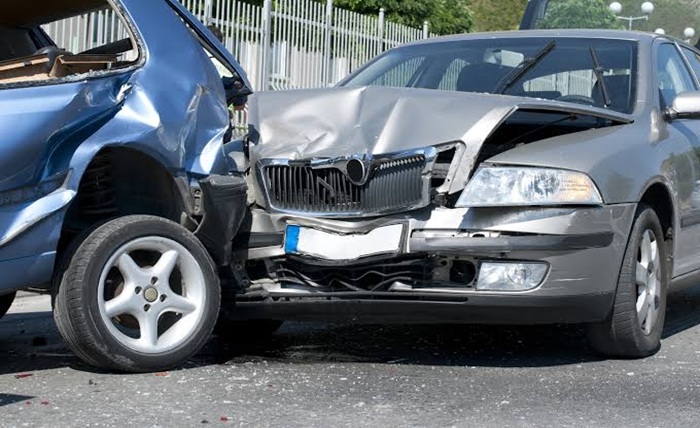
Surviving a rideshare crash or assault leaves victims dealing with immediate physical pain, mounting medical bills, and deep emotional trauma. You expected a safe ride home, but instead, your life was turned upside down by a gig economy system prioritizing speed over safety.
Research confirms this growing danger on our roads. In fact, each additional 100 rideshare trips originating within a specific area is associated with a 4.6% increased odds of observing an injury crash. Yet, the hardest part of the recovery process often begins after the incident, when victims are forced to confront the tech companies responsible.
Navigating the Rideshare Insurance Shell Game
When you file an injury claim after a rideshare accident, you anticipate a straightforward process. Instead, you face immediate pushback. The driver’s personal auto insurance company will likely deny the claim outright, citing a “driving for hire” exclusion because the driver was using a commercial app.
Simultaneously, the rideshare company will argue that they are not fully responsible, shifting the blame back to the driver or a third party. This intentional finger-pointing leaves victims trapped with unpaid medical bills, delayed justice, and immense confusion. You are suddenly fighting two massive insurance entities that are highly motivated to pay you nothing.
When multiple insurance companies deny responsibility, victims often find themselves trapped in a corporate shell game that delays their recovery. Uber rideshare accidents often involve overlapping insurance policies, making experienced legal representation especially important when determining liability and pursuing fair compensation.
Sorting through competing insurance policies is only one part of the challenge. A lawyer experienced in rideshare accident cases can help untangle liability issues, preserve key evidence, and deal with insurance disputes that might otherwise stand in the way of a fair recovery.
Decoding the Three-Tier Insurance Framework
Uber and Lyft operate under an “Active-App Insurance Mandate.” In simple terms, this means the commercial insurance coverage they provide is entirely conditional. It turns on and off depending on what the driver is doing inside the application.
Determining the exact fraction of a second a crash or assault occurred is an essential part of your case. Available policy limits can jump from mere thousands of dollars to over a million dollars based solely on whether the driver had accepted a ride.
To understand what you are up against, you need to know the three distinct periods of rideshare driving that dictate which insurance policy takes the hit.
| Rideshare Driving Period | Driver App Status | Primary Insurance Coverage |
|---|---|---|
| Period 1 | App is on; waiting for a ride request. | Minimal rideshare liability; personal insurance usually denies. |
| Period 2 | Ride accepted; driver is en route to pickup. | Maximum commercial liability (up to $1 million). |
| Period 3 | Passenger is physically inside the vehicle. | Maximum commercial liability (up to $1 million). |
Period 1 and The Coverage Trap
Period 1 occurs when the driver has the Uber or Lyft app turned on and is waiting for a request, but no passenger is matched yet. This phase creates a massive vulnerability for victims, known as the “Coverage Trap.”
Personal auto insurers almost always deny claims during this time because the driver is actively working. However, the rideshare company only offers minimal liability coverage during Period 1. If a driver hits you during this phase, you are left fighting for adequate compensation from policies with very low limits
This period is also incredibly dangerous. Drivers are actively scanning their screens waiting for a ping, making them inherently prone to distracted driving. In 2024, 3,208 people were killed in motor vehicle crashes involving distracted drivers. Third-party drivers or pedestrians hit during Period 1 face the hardest battle for fair compensation because the rideshare companies aggressively distance themselves from the driver’s actions.
Periods 2 and 3: En Route and Active Trips
Period 2 begins the exact moment a driver taps their screen to accept a ride request. Period 3 starts when the passenger actually enters the vehicle and ends when they are dropped off. During these two phases, the legal landscape shifts in the victim’s favor.
By law, rideshare platforms are mandated to provide up to $1 million in commercial liability coverage during Periods 2 and 3. This coverage applies to injured passengers, as well as pedestrians or other drivers hit by the rideshare vehicle.
However, realizing that this money is theoretically available is only half the battle. Rideshare corporations and their commercial insurers will still fight aggressively to devalue your claim. They will look for any excuse to shift the blame to third-party drivers, argue about the severity of your injuries, or dispute the exact timeline of the app data.
Piercing the Corporate Liability Shield
Filing a basic insurance claim often treats the incident as a simple case of driver error. To truly hold multi-billion-dollar tech platforms accountable, the focus must shift toward their overarching corporate negligence. Uber and Lyft build systems that prioritize profit margins, sometimes at the direct expense of passenger safety.
This distinction is especially important for victims of rideshare physical and sexual assault. When a driver commits an intentional act of violence, standard insurance policies often refuse to pay out. Victims must look beyond the driver and target the platform’s failure to protect its users.
You have the right to pursue compensation for all damages suffered. This includes immediate economic damages like medical bills and lost wages, as well as non-economic harm such as PTSD, anxiety, and severe emotional trauma.
Exposing Systemic Safety Failures
Fortunately, victims can bypass this independent contractor defense by suing the tech platform directly for systemic safety failures. You are not just arguing that the driver made a mistake; you are proving that the corporation failed in its duty of care to the public.
Examples of corporate negligence include fraudulent or inadequate background checks that allow dangerous individuals onto the app. It also includes algorithmic safety gaps, such as failing to monitor erratic driving patterns or completely ignoring prior passenger complaints about a specific driver.
A driver with a history of misconduct remaining on the platform is a corporate failure, not just bad luck. By focusing on these systemic failures, victims can broaden the scope of legal action and force the tech giants to answer for their negligence in court.
Conclusion
The path to justice after a rideshare accident or assault is filled with deliberate roadblocks. Victims are forced to navigate a confusing three-tier insurance system and confront massive tech companies hiding behind the independent contractor loophole. These platforms rely on your confusion to deny claims and protect their profits.
Understanding this coverage trap and securing digital evidence immediately is the only way to hold these gig economy giants accountable. By forcing them to hand over app data and exposing their systemic safety failures, you shift the balance of power back in your favor.