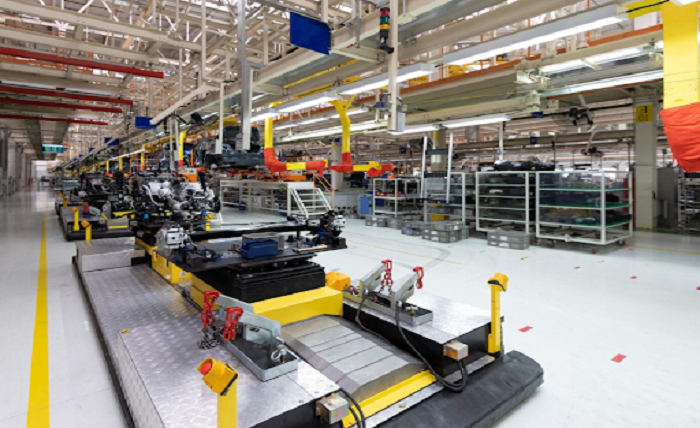
Electronics manufacturing involves more than assembling components onto circuit boards. Businesses developing electronic products also need reliable sourcing, production planning, testing and quality control to bring their designs to market. For companies looking to outsource these activities, EMS manufacturing in Indonesia offers an option worth exploring.
Electronics Manufacturing Services (EMS) providers support different stages of production, depending on their equipment, technical capabilities and facilities. Their services range from printed circuit board assembly to complete product assembly and logistics coordination. Understanding what these manufacturers offer helps businesses assess potential partners and plan their production requirements.
What Does EMS Manufacturing Involve?
EMS refers to the outsourced production services provided by specialist electronics manufacturers. Rather than establishing and operating their own factories, businesses work with an EMS provider to manufacture electronic products according to agreed specifications.
The scope of work varies between providers. Some focus primarily on printed circuit board assembly (PCBA), while others manage component procurement, product assembly, functional testing, packaging and delivery.
This arrangement is useful for businesses that want access to established production facilities without investing in every machine, production line and technical resource themselves.
EMS providers also work across different industries. Their customers might include manufacturers of consumer electronics, industrial equipment, automotive components, communication devices and smart products.
Key Services Offered by EMS Manufacturers
Printed Circuit Board Assembly
PCB assembly is a central part of electronics manufacturing. It involves mounting electronic components onto a printed circuit board to create a functional assembly.
Surface Mount Technology (SMT) is widely used for placing small electronic components directly onto the surface of a PCB. Automated machines position components accurately before the board passes through a reflow soldering process.
Through-hole assembly is another method. It involves inserting component leads through holes in the board before soldering them into place. Some products require a combination of SMT and through-hole components.
The appropriate assembly process depends on the product design, component specifications and production requirements.
Component Sourcing and Procurement
An EMS provider might also manage the sourcing of electronic components and production materials. This involves working with suppliers, checking component availability and coordinating deliveries to support manufacturing schedules.
Reliable procurement is particularly important for products containing specialised or hard-to-source components. Delays or shortages affect production planning, so businesses should understand how a potential partner manages supplier relationships and inventory.
Ask about component traceability, approved suppliers and procedures for handling obsolete or substituted parts.
Product Assembly and Integration
After PCB assembly, electronic components often need to be integrated into a finished product. This stage might involve installing circuit boards into enclosures, connecting cables, fitting displays and assembling other mechanical parts.
The level of integration varies according to the manufacturer’s facilities. Some EMS providers handle only board-level production, while others offer complete product assembly and packaging.
Businesses should confirm the exact services available rather than assuming every provider offers full turnkey manufacturing.
Testing and Quality Control
Testing helps identify manufacturing defects before products reach customers. Depending on the product, an EMS facility might use automated optical inspection, in-circuit testing or functional testing.
Automated optical inspection checks assembled boards for visible issues such as missing components, incorrect placement and soldering defects. Functional testing examines whether the finished assembly performs according to its intended requirements.
Quality control procedures should be established around the product’s specifications. Ask potential partners about inspection stages, testing records, defect management and corrective action procedures.
Why Consider Indonesia for EMS Manufacturing?
Indonesia has an established electronics manufacturing base, supported by industrial facilities, technical workforces and supply-chain operations. Manufacturing activity is found in several industrial areas, including parts of West Java and Batam.
Locations such as Bekasi, Cikarang and Karawang are relevant to businesses examining electronics production in West Java. Batam also has electronics manufacturing operations serving international markets.
The capabilities of individual facilities differ, so location alone should not determine a supplier decision. Businesses need to examine the equipment, production processes, workforce experience and quality systems available at the specific factory.
Indonesia’s industrial ecosystem also includes component sourcing, logistics and export-related services. These supporting operations are important when production involves materials from multiple countries or finished products destined for overseas customers.
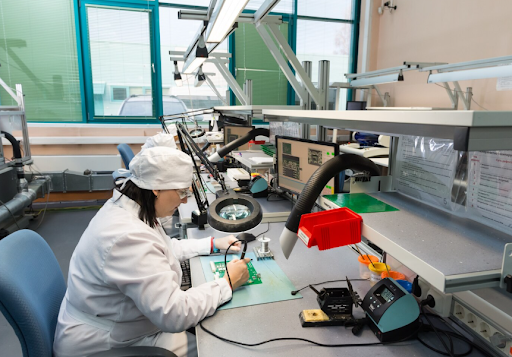
What to Evaluate When Selecting an EMS Partner
Choosing an EMS manufacturer requires more than comparing production costs. The provider needs to understand your product requirements and demonstrate the technical ability to manufacture it consistently.
Start by reviewing its production capabilities. Check the types of PCB assembly, soldering, inspection and testing equipment available. If your product requires specialised processes, confirm that the factory has the relevant facilities and experience.
Quality certifications are another useful consideration. Depending on the industry, relevant standards might include ISO 9001 for quality management, ISO 13485 for medical devices or IATF 16949 for automotive quality management. Certification should be verified for the actual manufacturing site and relevant scope of operations.
Communication and production transparency also matter. Discuss how the provider handles engineering changes, material shortages, production updates and quality concerns. Clear reporting helps both parties manage expectations and resolve issues before they affect delivery.
Finally, examine its capacity and lead times. A manufacturer should have sufficient resources for your expected order volumes while allowing room for future production requirements.
Managing Costs Without Compromising Quality
Outsourcing production might reduce the need for businesses to invest in factory equipment, but the overall cost involves more than the quoted assembly price.
Material costs, tooling, labour, inspection, packaging, freight and import duties all contribute to the final manufacturing expense. Businesses should request a detailed quotation and clarify which services are included.
Production volume also affects unit costs. Larger orders often allow fixed setup expenses to be distributed across more products, although committing to excessive inventory introduces storage and demand risks.
A pilot production run is a sensible step before moving into larger quantities. It allows the manufacturer and customer to assess assembly quality, test results and production procedures before committing to full-scale manufacturing.
Final Thoughts
EMS manufacturing in Indonesia offers businesses access to outsourced electronics production, from PCB assembly and component procurement to product integration and testing. The range of services differs between providers, making it important to assess individual facilities rather than relying on general claims about the industry.
Before selecting a manufacturing partner, review its technical capabilities, quality procedures, production capacity and supply-chain arrangements. A suitable EMS provider should understand your product requirements and maintain clear communication throughout the manufacturing process.