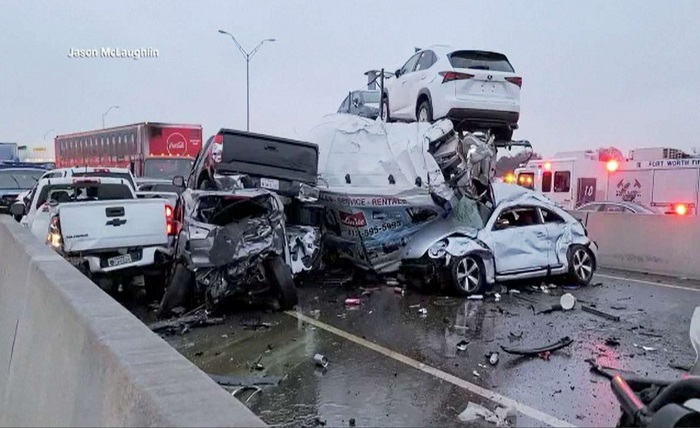
Crashes can be stressful, especially with rental cars or borrowed vehicles. Many assume the rental company or the owner’s insurance will cover everything, but these situations can get complicated due to overlapping policies and quick decisions made at the scene.
Fortunately, accidents with rental or borrowed cars usually follow a clear insurance order. It’s important to document the crash, identify all possible insurance sources, and avoid misleading statements. If you have injuries, property damage, or disputes with insurers after such an accident, a Deer Park car accident attorney can help determine liability and seek compensation.
Rental Cars vs. Borrowed Vehicles: Why the Distinction Matters
A rental-car crash usually involves a formal rental contract, optional coverage products, and a business with its own claims process. A borrowed-vehicle crash typically involves the owner’s personal auto policy and questions about permissive use—whether the driver had permission to use the car.
These differences affect who must report the accident, what documents will be requested, and which policy is likely to pay first. In both situations, though, the central issue is similar: determining whose insurance is primary and how coverage applies to injuries and vehicle damage.
Step One After the Crash: Treat It Like Any Other Accident
Even in a rental or borrowed car, the basics still matter:
- Call 911 if there are injuries or major damage
- Get medical attention promptly (even for “minor” symptoms)
- Exchange information with all drivers
- Photograph vehicle positions, damage, skid marks, and the scene
- Identify witnesses and get contact information
- Request the police report number
Whose Insurance Pays First in a Rental Car Accident?
In many rental-car crashes, the renter’s personal auto policy may be the primary coverage for liability and sometimes vehicle damage, depending on the policy terms and state rules. Rental companies often provide limited coverage as required by law, but that coverage may apply only in specific circumstances.
If you purchased rental coverage at the counter—like a loss damage waiver (LDW) or collision damage waiver (CDW)—that can change how damage to the rental vehicle is handled. Separately, if you used a credit card that offers rental-car coverage, that may provide secondary coverage for certain types of damage, but it often has strict requirements and exclusions.
What the Rental Company’s Coverage Does (and Doesn’t) Do
Rental companies are not automatically responsible for every crash involving their vehicles. Their role is often limited unless:
- Their own required minimum liability coverage applies due to the renter’s lack of coverage
- The crash involves a mechanical failure tied to poor maintenance
- The rental company’s employee caused the crash
- A contractual coverage product (like LDW/CDW) was purchased
Borrowed Vehicles: “Permissive Use” and the Owner’s Insurance
In borrowed-vehicle accidents, the owner’s insurance is often the starting point because auto insurance typically follows the vehicle. If the owner gave permission for the driver to use the car, the owner’s policy may provide primary coverage for liability.
However, coverage can become complicated if the driver is excluded on the policy, the vehicle was used outside permitted purposes, or the insurer disputes whether permission existed. The driver’s own insurance may also apply as secondary coverage, depending on both policies and the situation.
When the Driver’s Insurance Still Matters
Even if insurance follows the car, the driver’s policy may come into play as excess or secondary coverage—especially if damages exceed the owner’s limits. This can matter in serious injury cases where medical costs and lost income quickly surpass minimum policy limits.
It can also matter if the owner’s insurer denies coverage, leaving the driver’s policy as the next potential source. This is why reporting and documentation are critical—denials often hinge on small facts and early statements.
What If the Borrowed Car Was Uninsured?
If the vehicle owner allowed the car to be driven without insurance, the situation can become high-risk. The injured party may need to rely on the driver’s personal insurance, uninsured/underinsured motorist (UM/UIM) coverage, or even a lawsuit directly against the at-fault parties.
In these cases, time matters. Evidence preservation and early policy review can help identify coverage that might not be obvious at first, including UM/UIM options under multiple household policies.
Injury Claims: You Can Still Recover Like a Normal Crash
If you were injured, the fact that a rental or borrowed car was involved doesn’t erase your right to compensation. You may be entitled to recover for:
- Medical bills and future treatment
- Lost wages and reduced earning ability
- Pain, suffering, and loss of quality of life
- Out-of-pocket expenses and rehabilitation needs
Property Damage: The Most Common Point of Dispute
Rental and borrowed-car crashes often create disputes over who pays for vehicle repairs. Rental companies may seek payment for repair costs, loss of use (time the car is out of service), towing, administrative fees, and diminished value.
For borrowed vehicles, disputes often arise between the driver and the owner’s insurer about deductibles and whether repairs should be handled under the owner’s collision coverage. This can strain relationships, which is why clear communication and documented reporting matter.
Common Mistakes That Can Hurt Coverage
Small mistakes can create big headaches in these cases, including:
- Failing to report the crash to the rental company promptly
- Admitting fault before the facts are established
- Leaving out key details in recorded statements
- Not keeping the rental agreement or loan permission texts
- Skipping medical care and letting symptoms go undocumented
- Assuming “someone else’s insurance” will handle everything
When Liability Isn’t Clear: Borrowed Cars and Household Drivers
Insurance issues can become more complex when the driver is a household member, frequent user, or someone the insurer believes should have been listed on the policy. Insurers may argue that a regular driver was not disclosed or that coverage is limited because the policy terms were violated.
If the insurer tries to deny coverage or limit payment based on these arguments, the facts around permission, residence, and vehicle use become critical.
Multiple Policies Can Mean More Options—If You Handle It Correctly
Accidents involving rental cars and borrowed vehicles can be confusing, but they often come with more potential coverage than a standard crash—personal auto insurance, rental products, credit card coverage, owner’s policies, and sometimes UM/UIM protections. The key is identifying the correct order of coverage and preserving the evidence needed to prevent insurers from shifting responsibility.
If you’re facing injuries, mounting bills, or conflicting insurance responses, getting guidance early can protect your claim and help you pursue the compensation you need to recover.