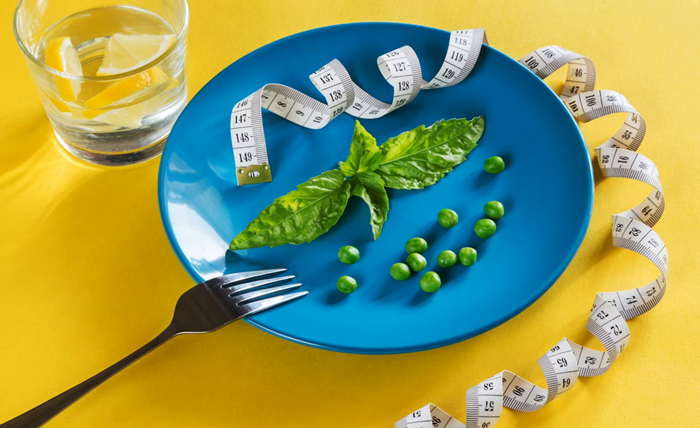
Hard training. Clean meals. Weeks stacked into months. Progress everywhere… except there.
Lower belly. Inner thighs. Arms that never fully tighten. Hips that stay soft even when strength goes up.
That disconnect messes with motivation. Especially for women who do everything “right”.
This is not a discipline issue. Not a program flaw. And definitely not a lack of effort.
This is biology mixed with modern lifestyle pressure. And it plays by different rules than most fitness advice admits.
Let’s slow it down and look at what’s really happening.
Training Hard Does Not Mean Fat Loss Everywhere
Strength improves faster than fat distribution changes. That gap matters.
Muscle adapts quickly. Nervous system too. Fat storage follows hormonal signals, stress patterns, and survival logic built long before gyms existed.
Many women notice:
- Leaner arms but soft upper thighs
- Defined shoulders with a lower belly that won’t flatten
- Strong glutes with fat pockets around hips
That contrast feels unfair. It is also predictable.
The body does not remove fat based on effort. It removes it based on perceived safety.
“Soft” Areas Are Not Random
Certain zones are hormonally protected.
Lower abdomen. Hips. Thighs. Sometimes upper arms.
Estrogen plays a role here. Cortisol does too. Insulin sensitivity matters more than calorie math.
These areas act like storage units. Insurance policies. The body keeps them when it senses instability.
Instability does not always look dramatic. It often shows up as:
- Chronic calorie restriction
- High training volume without enough recovery
- Poor sleep
- Mental stress treated as background noise
You can be strong and still signal threat.
That is the paradox.
Why More Training Often Makes It Worse
Pushing harder feels logical. Another session. Another finisher. More cardio.
The body hears something else.
It hears: conserve.
Cortisol rises. Thyroid output dips. Fat loss slows in protected zones first.
Many women train six days a week, eat “clean,” and still fight softness because the system never feels settled.
Recovery gets dismissed as laziness. That mindset backfires.
The Role of Nervous System Load
Not all stress looks like stress.
High-intensity training plus life pressure equals constant sympathetic activation. Fight mode. Even if training feels enjoyable.
Soft areas often persist when the nervous system never downshifts.
Parasympathetic time matters more than adding volume.
Common signs:
- Trouble sleeping despite exhaustion
- Feeling wired late at night
- Fat loss everywhere except hips or belly
- Strength stalling after early gains
This is not a willpower problem. This is regulation.
Where Weight Loss Injections Enter the Conversation
Some bodies reach a point where effort stops moving the needle. Training stays consistent. Food stays controlled. Sleep improves. Stress work happens. Still, certain fat zones hold their ground. This is where weight loss injections get discussed, often quietly. Not as shortcuts. More like metabolic support when hormonal signaling stays stuck.
These medications do not burn fat on their own. They change appetite signaling, insulin response, and how safe the body feels releasing stored energy. For some women, that shift lowers background stress on the system instead of adding to it.
What matters most is what doesn’t happen: less constant hunger noise, less mental bargaining with food and less physiological panic around intake. That calm can matter more than the calorie reduction itself.
When the nervous system stops interpreting fat loss as a threat, protected areas sometimes respond differently. Important nuance though. Injections work best when training volume is sane, recovery is respected, and food intake is steady. Piling aggressive workouts on top of appetite suppression often recreates the same stress loop, just quieter.
The goal is not control. The goal is permission. Permission for the body to let go without bracing. Used carefully, injections can lower the overall load rather than increase it. Used poorly, they amplify the same signals that created the problem.
That distinction decides outcomes. They are not a replacement for regulation. They only work when regulation finally has room to happen.
Food Quality Helps, But Timing Changes the Outcome
Nutrition advice usually stops at macros.
Timing and consistency influence hormones more than perfect ratios.
Underfueling around training raises stress signals, especially for women.
Eating enough carbohydrates after workouts signals recovery and availability. Fat storage decreases when the body feels supported.
Protein alone does not fix this.
Long fasting windows paired with intense training often lock fat in place rather than reduce it.
Why Spot Reduction Still Doesn’t Work, But Signals Do
Targeting areas with exercises does not melt fat there. That part remains true.
What does help is changing the signals the body reads.
Those signals come from:
- Sleep depth
- Meal timing
- Training intensity balance
- Emotional load
When these shift, fat loss redistributes. Slowly. Quietly.
Not dramatic. Not viral.
But real.
Strength Training Is Necessary, Not Sufficient
Lifting weights remains non-negotiable.
Muscle mass improves insulin sensitivity and metabolic flexibility.
Intensity cycling matters.
Constant maximal effort tells the body resources are scarce.
Periods of reduced load allow hormonal normalization. That often unlocks stubborn areas.
Progress looks slower. Results finally show.
This is where many quit too early.
The Missing Piece: Training With Cycles, Not Ego
Female physiology responds better to wave-like input.
Hard weeks followed by intentional easing off. Not punishment. Strategy.
For some, menstrual phase awareness helps. For others, simple rhythm works:
- Two high-intensity weeks
- One moderate week
- One lighter week
Soft areas often shift during lighter phases. That surprises people.
Why Aesthetics Advice Rarely Addresses This
Fitness culture sells effort. Push. Grind. No excuses.
That message lands differently on female bodies.
Softness becomes moralized. As if visible fat signals failure.
The truth feels quieter:
Fat loss follows safety.
Safety follows recovery.
That does not sell programs. But it works.
What Actually Helps Long-Term
Not hacks. Not supplement stacks.
What helps:
- Training hard fewer days, not every day
- Eating enough after workouts
- Treating sleep as a requirement
- Reducing background stress even slightly
- Accepting slower visual change for real change
Consistency beats intensity when hormones are involved.
Soft areas fade when the body trusts the environment.
A Reality Check Many Women Need
Some fat distribution is genetic. That does not mean resignation. It means realistic expectations.
Chasing images that ignore biology creates constant dissatisfaction.
Strong bodies with a degree of softness are not unfinished. They are functional.
The goal shifts once that clicks.
Less punishment. More strategy.
Final Thought
If you train hard and still struggle with soft areas, nothing is broken.
Your body is responding exactly as designed.
The solution rarely looks like doing more.
It looks like doing enough, then allowing recovery to speak.
That is when change finally shows.