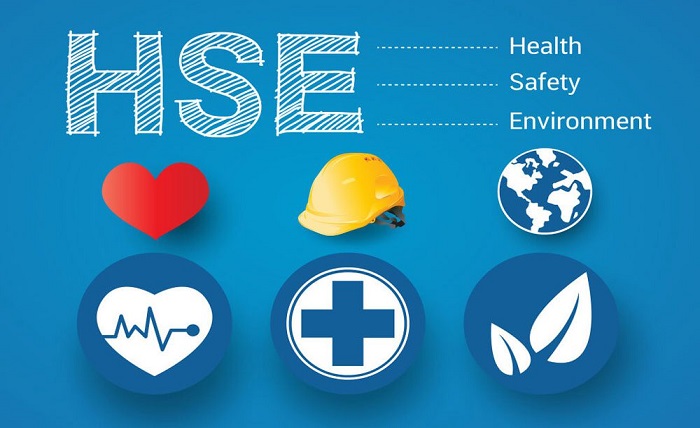
Health, Safety, and Environmental (HSE) compliance is essential for managing risks and meeting legal and ethical obligations, protecting employees, the environment, and company profitability. This guide outlines the key elements of HSE and provides practical steps for developing an effective safety and sustainability strategy.
Understanding the Core Pillars of HSE
HSE is an umbrella term that covers the laws, regulations, and workplace protocols designed to protect employees, the public, and the environment. While specific regulations vary depending on your industry and location, the framework generally rests on three main pillars.
Workplace Safety
This is often the most visible aspect of compliance. Workplace safety focuses on preventing immediate physical harm to employees. It involves identifying hazards that could cause accidents, injuries, or fatalities.
Key elements include:
- Equipment Maintenance: Ensuring all machinery is functioning correctly and has necessary guards.
- Personal Protective Equipment (PPE): Providing appropriate gear, such as helmets, gloves, or high-visibility vests.
- Emergency Procedures: establishing clear protocols for fires, evacuations, and medical emergencies.
- Training: Teaching employees how to perform their jobs safely and use equipment correctly.
Environmental Protection
Businesses leave a footprint. Environmental compliance ensures that this footprint doesn’t trample local ecosystems or public health. This pillar has gained significant traction in recent years as consumers and governments demand higher sustainability standards.
Organizations must manage how they interact with their surroundings. This includes responsible waste disposal, managing hazardous materials, controlling emissions, and energy conservation. It is about minimizing the negative impact of industrial processes to prevent pollution and long-term ecological damage.
Health and Wellbeing
While “safety” prevents immediate injury, “health” focuses on long-term well-being. This area addresses risks that might not cause instant harm but can lead to illness over time.
Occupational health covers:
- Chemical Exposure: Limiting contact with toxic substances that could cause respiratory issues or skin conditions.
- Ergonomics: Designing workspaces to prevent musculoskeletal disorders, such as carpal tunnel syndrome or back pain.
- Noise Control: Protecting hearing in loud environments.
- Mental Health: Increasingly, HSE regulations are expanding to include stress management and the prevention of workplace burnout.
How to Achieve HSE Compliance
Reaching a state of full compliance requires a systematic approach. It is not a one-time fix but an ongoing cycle of improvement.
1. Conduct a Risk Assessment
You cannot manage risks you don’t know about. The first step is a comprehensive audit of your operations. Walk through your facility, review your processes, and talk to your employees. Look for physical hazards, chemical risks, and environmental vulnerabilities. Document every potential threat and rank them by severity and likelihood.
2. Develop Clear Policies
Once risks are identified, you need rules to mitigate them. Create an HSE policy manual that outlines specific procedures for every identified risk. For example, if you operate forklifts, your policy should detail who is authorized to drive them, what checks must be done before use, and the speed limits within the warehouse.
3. Training and Communication
A policy manual sitting on a dusty shelf helps no one. You must train your staff on these procedures. Regular safety briefings, onboarding sessions for new hires, and specialized training for high-risk roles are essential. Communication should be two-way; employees should feel empowered to report hazards without fear of reprisal.
4. Consult with Experts
Sometimes, internal resources aren’t enough. Complex industries often require specialized knowledge to navigate the regulatory maze. For specific environmental concerns, such as land development or waste water management, you might need to hire an ecological consultant to ensure you aren’t disrupting local biodiversity. Bringing in outside eyes can reveal gaps in your compliance strategy that internal teams might miss.
5. Monitor and Review
Regulations change, and so does your business. An effective HSE management system includes regular audits and reviews. Track your incidents and “near misses” to identify trends. If a specific machine keeps causing minor injuries, your current controls aren’t working, and it is time to reassess.
Tools and Resources for Management
Managing HSE manually using spreadsheets and paper forms is becoming obsolete. Modern businesses rely on digital tools to streamline the process.
EHS Software Platforms: comprehensive software solutions can centralize your data. These platforms allow you to track incidents, schedule audits, manage training records, and generate compliance reports automatically.
Mobile Reporting Apps: Empower your workforce with mobile apps that allow them to report hazards instantly from their smartphones. This crowdsourced approach to safety ensures that issues are flagged and fixed faster.
Regulatory Databases: Subscribing to regulatory update services ensures you are never caught off guard by a change in the law. These services send alerts when relevant legislation is introduced or amended.
The Business Case for Compliance
Adhering to HSE standards is often viewed as a cost center, but the return on investment is substantial.
Reduced Operational Costs
Accidents are expensive. Between medical bills, legal fees, compensation claims, and regulatory fines, a single serious incident can cripple a small business. Furthermore, accidents lead to downtime and lost productivity. Prevention is almost always cheaper than the cure.
Improved Reputation
We live in an age of transparency. News of environmental negligence or poor safety records travels fast. Clients and partners prefer to work with responsible companies. A strong HSE record can be a differentiator in competitive tenders and helps attract top talent who want to work in a safe environment.
Lower Insurance Premiums
Insurance companies reward risk management. Demonstrating a robust HSE compliance program and a history of few claims can significantly lower your premiums for workers’ compensation and liability insurance.
Employee Morale and Retention
When employees see that management genuinely cares about their safety and well-being, morale improves. A safe work environment fosters trust and loyalty, reducing turnover rates and keeping your experienced staff on board.
Conclusion
Achieving HSE compliance is not just about ticking boxes to satisfy a government inspector. It is about building a culture where safety and sustainability are woven into the fabric of daily operations.