
Many high school students interested in a career in medicine may wonder if they can start exploring the field before college. Fortunately, there are ways to take that first step early. Instead of waiting for university, students like you can join internship opportunities that introduce you to real medical settings.
What makes it even more exciting is that these opportunities aren’t limited to your local area. In fact, international programs are now highly sought after because they offer diverse experiences, sometimes even allowing students to earn college credit. Here’s how an internship abroad can shape your future career in medicine.
Gaining Early Exposure to Real Healthcare Environments
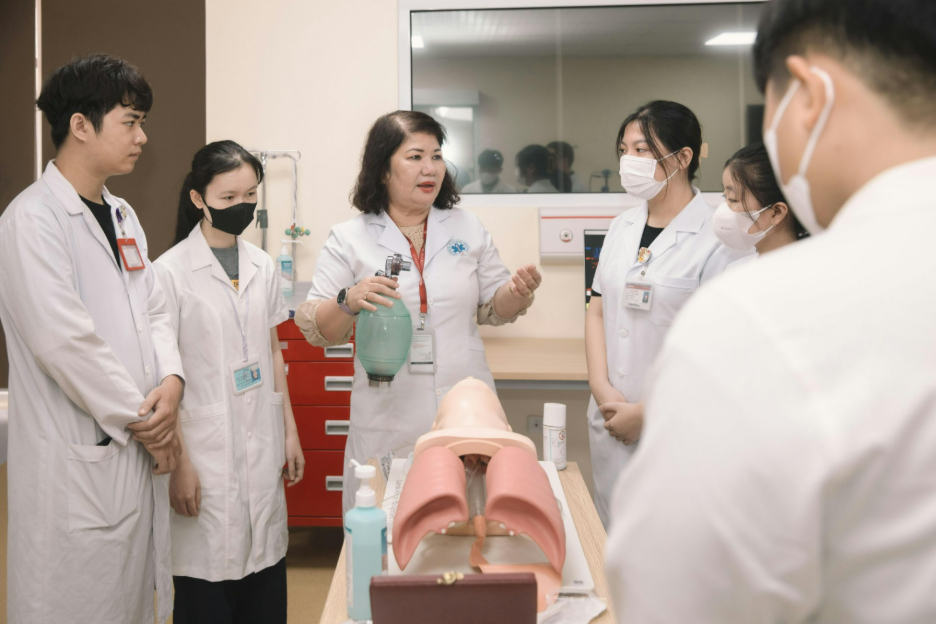
A typical science class introduces the fundamentals of biology, chemistry, and anatomy. While these subjects are essential, they rarely capture the daily realities of working in medicine. High school medical internships abroad allow students to step inside clinics, hospitals, and community health centers, where healthcare professionals interact with patients. Even if students primarily observe, such experiences transform abstract concepts into real-life situations and provide valuable work experience.
Being present in a clinical environment changes the way students think about medicine. They see how doctors communicate with patients, how nurses coordinate care, and how collaborative teams solve complex problems. Witnessing these interactions helps students see that medicine involves much more than diagnosing illnesses. Compassion, teamwork, and problem-solving are equally important in providing effective care.
Exposure at an early age also helps students decide whether medicine truly suits them. Some students discover a deep passion for patient care, while others learn that a different path might fit better. Either outcome is valuable because it provides clarity before committing years of education toward a specific profession.
Experiencing Different Healthcare Systems
Healthcare doesn’t operate the same way in every country. Medical facilities vary widely in resources, treatment approaches, and patient expectations. Participating in an internship abroad introduces students to these differences firsthand.
For example, a student might observe a hospital that relies heavily on advanced technology, while another clinic focuses on community-based care with limited equipment. These contrasting environments reveal how healthcare professionals adapt to available resources while still striving to provide quality treatment.
Such experiential learning broadens a student’s understanding of global health challenges. Issues such as access to medical services, public health education, and preventive care become much more real when observed directly. As a result, many interns begin to think about medicine on an international scale. Some develop interests in public health or medical research aimed at improving care in underserved populations.
Developing Cultural Awareness and Empathy
Medicine is deeply connected to culture. Beliefs, traditions, and social norms often influence how people view illness and treatment. Interning abroad exposes students to cultural perspectives that differ from their own, encouraging them to approach healthcare with greater respect.
Communication can be especially revealing. In some communities, family members play a large role in healthcare decisions. In others, patients rely heavily on traditional healing practices alongside modern medicine. Observing these differences helps students understand that effective care requires listening and adapting to each patient’s background.
Spending time in another country also pushes students out of their comfort zones. Navigating language barriers, unfamiliar customs, and new environments builds patience and resilience. These qualities translate directly into medical practice, where physicians often encounter patients from many different backgrounds.
Over time, cultural intelligence strengthens empathy. You learn that healthcare isn’t just about treating symptoms. Sometimes, it involves understanding the human experiences behind those symptoms.
Building Skills That Support Future Medical Studies
Academic success alone doesn’t define a strong future physician. Medical schools and healthcare institutions value students who demonstrate curiosity, initiative, and the ability to work with others. Internships abroad provide a natural healthcare setting for developing these qualities.
Students often assist with small tasks, participate in educational workshops, or engage in community outreach programs. These activities encourage responsibility and active learning. Instead of passively absorbing information, interns ask questions, observe procedures, and reflect on what they see.
Critical thinking becomes another key skill. Medical professionals frequently explain why certain treatments are chosen or how diagnoses are made. Listening to these discussions helps students understand the reasoning process behind medical decisions.
Confidence also grows throughout the experience. Traveling and working in a new environment requires independence and adaptability. By the time students return home, many feel better prepared to pursue challenging academic goals related to medicine.
Strengthening Motivation for a Medical Career
Interest in medicine can begin with curiosity, but long-term motivation requires meaningful learning. Medical internships abroad often provide the moments that inspire students to pursue their chosen career with dedication.
One day might involve observing a doctor comfort a nervous patient before surgery. Another day could include participating in a community health campaign that educates families about disease prevention. Experiences like these show students the direct impact medical professionals have on people’s lives and highlight the importance of patient advocacy. This demonstrates how healthcare providers stand up for patients’ well-being and ensure their voices are heard.
Seeing this impact can reinforce a sense of purpose and often strengthens students’ commitment to academic preparation, volunteer work, and further clinical exposure. By engaging in these experiences, interns also open doors to new paths and opportunities they may never have considered before.
Expanding Future Opportunities in Medicine
Participating in a medical internship abroad can influence opportunities long after high school graduation. Universities and scholarship programs often value applicants who demonstrate initiative and the ability to engage with a diverse community. And internships signal all of these qualities on a student’s college application.
Admissions committees frequently look for students who explore their interests beyond the classroom. Hands-on experience in healthcare environments shows that a student has already taken steps to understand the profession they hope to enter.
Networking becomes another significant benefit. Students build a global network by meeting doctors, nurses, and researchers who can offer guidance about future education and career paths. Conversations with these professionals often provide insights that cannot be found in textbooks or online resources.
Over time, the knowledge and connections gained may guide decisions about undergraduate majors, research opportunities, and medical school preparation. What begins as a short high school summer internship can gradually shape an entire professional journey.
Final Thoughts
Participating in a medical internship abroad can be a transformative experience for high school students. It encourages personal growth, builds confidence, and opens their eyes to new perspectives. Such experiences often spark a lasting passion for medicine and help clarify future goals. Ultimately, they demonstrate that meaningful learning and sustainable development can happen far beyond the classroom.