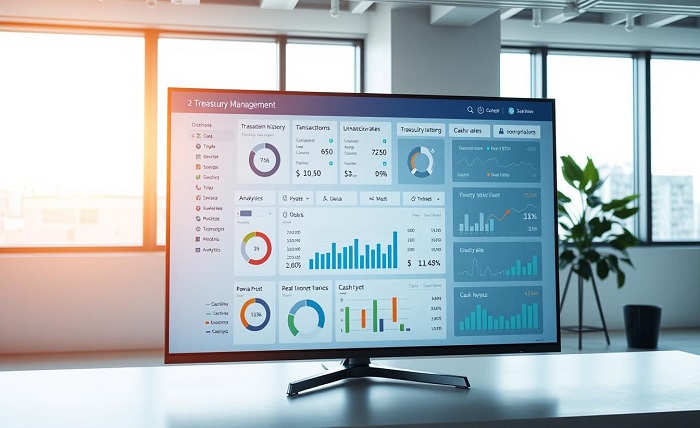
Financial reconciliation is essential for monitoring accurate data, managing expenditures, and also enhancing reporting. Transaction errors could lead to differences, duplicate postings, and delays in the reporting process. An automatic financial reconciliation system will be helpful in addressing such concerns.
The current digital technology assists in handling an increased volume of transactions through enhanced efficiency in financial departments. With the automation procedure, finance experts can minimize their repetitive tasks and dedicate more time to planning and analyzing financial information.
How Automation Simplifies Financial Reconciliation
Financial departments can use the AI solutions for finance teams with the process of reconciliation through automatic record comparison and immediate identification of any inconsistencies. This makes the job easier, increasing accuracy at the same time. Another advantage includes speedier oversight and better report organisation.
Businesses using automation receive several advantages:
- Faster verification of invoices, balances, and payment records
- Reduced operational delays during monthly reporting procedures
- Improved tracking of financial transactions across multiple systems
- Better visibility through organised dashboards and instant notifications
- Stronger reporting accuracy with reduced dependency on spreadsheets
Why Manual Reconciliation Creates Frequent Errors
Manually performing reconciliation can be prone to errors since workers handle significant volumes of accounting data regularly. The frequent verification causes reduced focus, resulting in higher chances of oversight.
Common manual reconciliation problems include:
- Duplicate transaction entries affecting financial reporting accuracy
- Missing invoices are causing mismatched account balances
- Delayed verification is slowing operational reporting activities
- Spreadsheet mistakes reduce financial visibility and consistency
- Incorrect classification of records affecting accounting management
- Human oversight during high workload reporting periods
Businesses reducing manual activities often improve efficiency and reporting reliability significantly.
Important Features In Automated Reconciliation Systems
Modern reconciliation software includes several intelligent functions supporting accurate financial management. These tools improve monitoring, security, and reporting performance.
| Feature | Purpose | Benefit |
| Real time transaction matching | Compares financial records instantly | Reduces reporting errors |
| Automated alerts | Detects unusual financial activities | Improves response speed |
| Intelligent dashboards | Displays organised financial insights | Simplifies monitoring |
| Cloud storage | Stores records securely | Improves accessibility |
| Reporting automation | Generates summaries quickly | Supports faster decisions |
| Data encryption | Protects financial information | Strengthens security |
How Real Time Monitoring Improves Accuracy
Real-time monitoring allows businesses to identify discrepancies immediately before larger financial concerns develop. Automated systems continuously review transactions and highlight unusual activities without manual supervision.
Main benefits of real-time monitoring include:
- Faster detection of mismatched transaction records
- Better visibility across operational financial activities
- Improved coordination between accounting departments
- Reduced reporting delays during reconciliation periods
- Stronger compliance management and audit preparation
- Better control over payment verification procedures
Continuous monitoring improves reporting quality while reducing operational confusion.
Why Secure Systems Matter In Reconciliation
Financial records contain sensitive information requiring strong protection systems. Automated reconciliation platforms improve security while reducing risks connected with manual handling.
Secure systems support businesses through:
- Encrypted storage protecting confidential accounting records
- Restricted access improves internal data management safety
- Automated backups reduce accidental document loss risks
- Activity tracking supporting operational transparency
- Secure integration between financial management platforms
- Continuous monitoring reduces suspicious activity risks
Reliable security improves confidence and supports smoother operational management across finance departments.
How Advanced Reporting Supports Faster Decisions
AI for finance teams generates organized financial summaries quickly, allowing businesses to make wise decisions without having to wait for laborious manual analysis. Structured reporting also improves communication between the accounting and management departments.
Benefits of AI automated reporting include:
- Faster access to financial performance insights
- Improved budgeting and operational planning accuracy
- Better visibility into transaction processing activities
- Reduced reporting inconsistencies across departments
- Simplified review procedures during financial audits
- Stronger operational decision-making using accurate data
Businesses using automated reporting systems often improve productivity and planning efficiency significantly.
Smarter Financial Management Ahead
Businesses require accurate reconciliation systems to maintain organised financial operations and reduce reporting confusion. Automating transaction matching will improve security, simplify financial management processes, and also raise accuracy. Smart platforms that will reduce repetitive work, allowing finance professionals to focus on strategy and operational improvements.
FAQ
What is the benefit of automation in terms of accuracy in reporting?
Automation validates transactions continuously and minimizes the errors resulting from manual checking activities.
But is automated reconciliation safe for businesses?
Yes, modern systems offer encryption, monitoring features, and secure management of documents.
Can automation enable improved operational efficiency?
Yes, automation eliminates delay, provides visibility, and helps to facilitate quicker financial decision making.