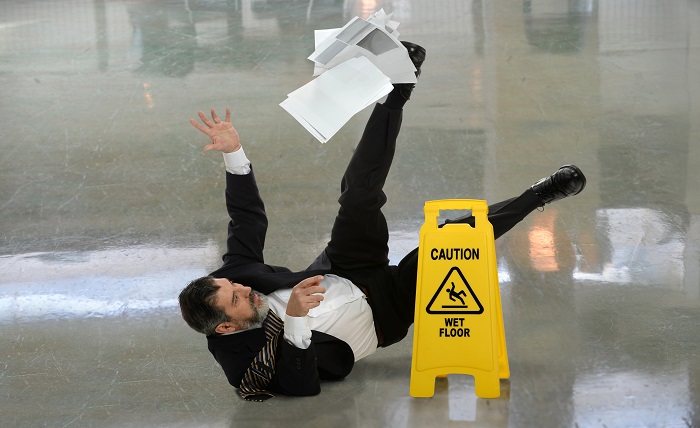
A serious fall can happen in a place that looks ordinary at first glance. A grocery aisle, restaurant entrance, hotel lobby, office hallway, apartment walkway, or retail store may appear safe until one floor condition causes someone to lose balance. The danger may be small, but the injury can be life-changing.
Floor conditions matter because people depend on stable footing. When a walking surface is wet, uneven, loose, overly slick, or poorly marked, a visitor may not have enough time to adjust. After a fall, the focus should not be only on where the person landed. It should also be on what the floor was like in the moments before the injury.
1. Moisture That Blends Into the Surface
Water, cleaning solutions, spilled drinks, tracked-in rain, leaking fridges, and restroom overflows can make floors slippery, especially when liquids are clear or thin. People may not notice the danger until they slip.
Moisture can collect at entrances, food sections, drink stations, ice machines, restrooms, elevators, and checkout areas. Businesses with high foot traffic should expect spills. After a fall, people may wonder if the area was checked or cleaned.
A wet floor sign can help but only if it is visible before visitors reach the hazard. If the sign is hidden or left out after the floor is dry, it won’t solve the safety issue.
2. Floor Mats That Shift, Curl, or Bunch Up
Floor mats help prevent slipping, especially at entrances. However, they can become dangerous if they slide, wrinkle, curl, or bunch up. Visitors might trip over an unstable mat.
Mats can pose risks if they are the wrong size, poorly placed, worn out, or not secured. Heavy foot traffic can also shift them. If employees see a curled mat or customers report tripping, it’s important to fix the hazard quickly.
After a fall, the mat may change position or condition before photos are taken. That’s why it’s crucial to gather information about the mat’s appearance before the incident.
3. Polished Floors That Become Too Slick
Clean floors are important, but cleaning methods can make them slippery. Products like wax, polish, and oil-based cleaners can reduce traction, making a floor unsafe even if it looks nice.
Highly polished floors are especially risky in lobbies, stores, offices, hospitals, and restaurants. The shine can hide moisture and confuse visitors about how slippery the surface is, leading to slips.
After an incident, it’s important to review maintenance practices, including cleaning schedules, product usage, employee training, and past complaints, to determine if the floor’s safety was compromised.
4. Uneven Transitions Between Surfaces
Falls can occur where one surface changes to another. A person may walk from tile to carpet, pavement to a doorway, concrete to a ramp, or a hallway to an elevator threshold. If the transition is uneven, raised, sunken, or poorly marked, the foot can catch unexpectedly.
These hazards may be easy to miss because they are part of the building’s structure. A slight height difference may not seem serious until someone trips and falls forward. Older adults, children, people carrying bags, or visitors looking for signs or products may be especially vulnerable.
A San Antonio premises liability attorney may review photographs, measurements, maintenance history, and witness statements when a floor transition appears to have contributed to a fall. The small detail that caused the trip may be the same detail that shows the danger was preventable.
5. Debris Left Where People Walk
Small objects on the floor can cause serious injuries. Items like packaging straps, food, broken glass, and clutter can make walking unsafe. In busy places, debris can quickly accumulate, so it must not be ignored.
The location matters. A store aisle, restaurant walkway, or hotel hallway may need regular checks for debris. If a business knows about floor hazards, it should act quickly to prevent injuries.
Falls from debris may raise questions about staffing. Were employees checking the area? Was the hazard visible? These details can explain why the hazard was not addressed.
Lighting Can Change How the Floor Is Seen
A floor condition does not have to be invisible to be dangerous. Poor lighting, glare, shadows, or distracting displays can make a hazard harder to notice. A wet spot, raised edge, dark mat, or small object may blend into the floor when lighting is uneven.
Photos taken later may not show the same conditions. A flash photo or daytime image may make the hazard look obvious. The better question is what the injured person could reasonably see while walking through the area at the time of the fall.
Serious Injuries Can Follow a Short Fall
A fall does not have to involve stairs or a high surface to cause serious harm. When the body lands hard or twists suddenly, injuries may include:
- Fractures: Broken bones can occur in the wrist, arm, hip, ankle, or other areas.
- Concussions: A head impact may cause headaches, dizziness, confusion, or memory problems.
- Torn ligaments: Sudden twisting can damage the knee, ankle, shoulder, or other joints.
- Back or hip injuries: These injuries may limit movement and make daily tasks difficult.
- Shoulder or wrist damage: A person may be injured while trying to catch themselves during the fall.
- Lasting pain: Some victims may need surgery, therapy, mobility aids, or time away from work.
A short fall should not be minimized simply because it happened on level ground. Medical care, follow-up treatment, and clear documentation can help show the true impact.
When the Floor Tells the Story
Floor conditions can reveal why a fall happened. Moisture, loose mats, slick polish, uneven transitions, and debris may all create preventable hazards. These dangers may be tied to cleaning practices, maintenance failures, poor inspections, unsafe layouts, or employee inattention.
After a serious fall, victims should report the incident, seek medical care, preserve photos, save shoes and clothing if relevant, and write down what they remember. A fall should not be dismissed as clumsiness before the walking surface is carefully reviewed. Sometimes, the floor itself explains why the injury occurred.