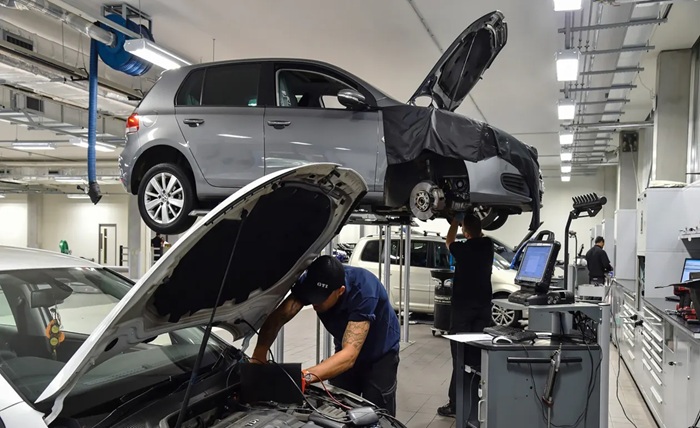
For British motorists, a car’s service history is effectively its medical record. Whether you are purchasing a used Vauxhall, driving a high-end Audi, or operating a dependable Ford Focus, it is crucial that you comprehend the paperwork for your new vehicle. Keeping an exact and current record of all your car’s prior maintenance not only helps you keep it safe and roadworthy, but it also keeps your car’s market value high.
What exactly is a service history?
To put it simply, it is a chronological journal of all fluid changes, repairs, and maintenance performed on a car. This used to be imprinted within a real booklet that was stored in the glovebox. However, a lot of contemporary garages and major dealerships now digitally record this information.
Car maintenance is usually recommended once a year or once every 12,000 miles (whichever occurs first). Depending upon how far you drive annually, there are three maintenance options available: Major Service (a complete and comprehensive inspection of a car performed every two years), Full Service (a standard yearly inspection of a car) and Interim Service (done of a high-mileage car at least every six months or 6,000 miles).
When you check the car’s service history you may find these two terms;
- Full Service History (FSH) means the car has always been completely and thoroughly maintained to the manufacturer’s specifications without losing any scheduled service appointments throughout the life of the vehicle. If it has always been looked after by the manufacturer’s official network, it is known as a Full Dealership Service History (FDSH).
- Part Service History (PSH): This indicates gaps in the timeline. Some receipts or stamps are missing, leaving uncertainty about how well the car was maintained during certain periods.
Finding missing records
Do not panic if you have purchased a car that does not have a service book or if you have lost your own. The garage or primary dealer who last serviced the car should be contacted first. Most national chains and independent garages keep centralised digital records and can reprint your itemised receipts. If you are dealing with a manufacturer-approved network, they can often pull up the vehicle’s entire digital history using the Vehicle Identification Number (VIN).
Be aware that if you are trying to track down past details from a previous owner, the DVLA cannot help you. Due to strict data protection laws, the DVLA will not hand over past owner details simply to chase up a service history.
How to check a car’s digital service history
Many modern vehicles no longer rely on a physical service book. Manufacturers increasingly store maintenance records electronically, creating a digital service history that can be accessed by authorised dealerships and garages.
Checking a BMW service history or Mercedes service history is often much easier than many motorists realise. Along with brands such as Land Rover, Volkswagen, Audi and Jaguar, these manufacturers typically maintain digital servicing records that can be accessed with an online service history check.
A digital service history offers several advantages. Records are less likely to be lost, damaged or forged, and prospective buyers can have greater confidence that the information is genuine. When purchasing a used car, asking for a printout of the digital service record can provide valuable insight into how well the vehicle has been maintained.
Why service history matters when buying a used car
A complete service history can reveal far more than simply when the oil was changed. It can help identify recurring faults, confirm that major maintenance items have been completed and demonstrate that previous owners cared for the vehicle.
For example, timing belt replacements, brake fluid changes, gearbox servicing and manufacturer recall work may all be recorded within the service history. Missing evidence of these important maintenance tasks could mean additional costs for the new owner.
Cars with a full service history are often easier to sell and may command a higher resale value. In contrast, vehicles with incomplete records can raise concerns about neglected maintenance, potentially making buyers hesitant.
What documents should be included?
A comprehensive vehicle service history should ideally contain:
- A stamped service book or digital service record.
- Itemised garage invoices and receipts.
- MOT certificates and mileage records.
- Evidence of major repairs and replacement parts.
- Warranty and recall documentation.
- Inspection reports from dealerships or specialist garages.
The more supporting paperwork available, the easier it is to verify the vehicle’s maintenance history and overall condition.
Keeping your own service history up to date
Maintaining accurate records is one of the easiest ways to protect your vehicle’s value. Keep all invoices, service receipts and inspection reports together, whether in a physical folder or a digital archive. If your vehicle uses a digital service record, request printed copies after each service for your own records.
By keeping a complete maintenance history, you not only make future repairs easier to track but also provide reassurance to potential buyers when it comes time to sell.
Final thoughts
A car’s service history is one of the most important documents associated with vehicle ownership. Whether you are buying, selling or simply maintaining your current vehicle, taking the time to verify and preserve these records can save money, prevent unexpected repairs and increase resale value. A well-documented service history provides confidence that a vehicle has been cared for properly and remains a valuable asset for years to come.