A construction site is a dynamic environment, filled with constant activity, heavy machinery, and inherent risks. While the goal is to build and create, the foremost priority must always be the safety of every person on the job. A secure worksite is not just about compliance with regulations; it is about fostering a culture of vigilance that protects workers from injury and keeps projects on track. Establishing clear safety protocols is the foundation upon which any successful construction project is built.
This guide outlines essential best practices for maintaining a secure and productive worksite. By implementing these measures, site managers and workers can significantly reduce the likelihood of accidents and create a safer environment for everyone.
The Foundation of a Safe Site: Planning and Training
Effective safety begins long before the first shovel hits the ground. It starts with comprehensive planning and thorough training for every team member.
Comprehensive Site-Specific Safety Plan
Every project is unique, with its own set of challenges and hazards. Before work begins, a detailed safety plan tailored to the specific site should be developed. This plan must identify potential risks, from electrical hazards to fall dangers, and outline clear procedures for mitigating them. It should also include an emergency response strategy, detailing steps to take in case of an accident, fire, or other urgent situation.
Continuous and Relevant Training
All workers, from seasoned veterans to new hires, must receive regular safety training. Initial orientation should cover the site-specific plan, the proper use of equipment, and emergency procedures. Ongoing training, often through daily toolbox talks, keeps safety top of mind and addresses new hazards as they arise during different phases of the project. This education should cover topics like fall protection, hazard communication, and proper lifting techniques to prevent common injuries.
Key Areas of Focus on the Worksite
While every aspect of a construction job has safety implications, certain areas require constant attention due to the high risk they present.
Fall Prevention and Protection
Falls are consistently one of the leading causes of serious injury and fatalities in the construction industry. Implementing robust fall protection measures is non-negotiable. This includes installing guardrails around elevated platforms and openings, using safety nets, and ensuring all workers who operate at heights are equipped with and trained to use personal fall arrest systems. Scaffolding must be erected on stable ground by qualified individuals and inspected regularly to ensure its integrity.
Proper Equipment and Material Handling
Heavy machinery and building materials pose significant risks if not managed correctly. All equipment operators must be properly trained and certified. Daily inspections of vehicles and tools are essential to ensure they are in good working order.
The handling of materials also requires careful planning. Securely storing materials prevents them from becoming trip hazards or falling. For example, a reliable steel supply in Salt Lake City ensures that materials arrive on schedule and can be properly staged, reducing clutter and improving logistical flow on site. Workers should be trained in proper lifting techniques to avoid strains and other musculoskeletal injuries.
Electrical and Chemical Safety
A worksite is often a web of temporary electrical systems. All wiring should be done by qualified electricians and inspected for damage regularly. Workers must be trained to recognize electrical hazards and maintain a safe distance from overhead power lines.
Hazardous chemicals are also common on construction sites. It is critical to follow hazard communication standards, which include proper labeling of containers, accessible safety data sheets, and training workers on the risks and proper handling procedures for each substance.
Cultivating a Culture of Safety
Rules and equipment are only part of the equation. The most effective safety programs are those embraced by everyone on site, from the project manager to the newest apprentice.
Clear Communication and Responsibility
Open lines of communication are vital. Workers should feel empowered to report unsafe conditions without fear of reprisal. Designating clear safety responsibilities ensures that inspections are completed and issues are addressed promptly. Regular safety meetings provide a forum for discussing concerns and reinforcing best practices.
Providing Personal Protective Equipment (PPE)
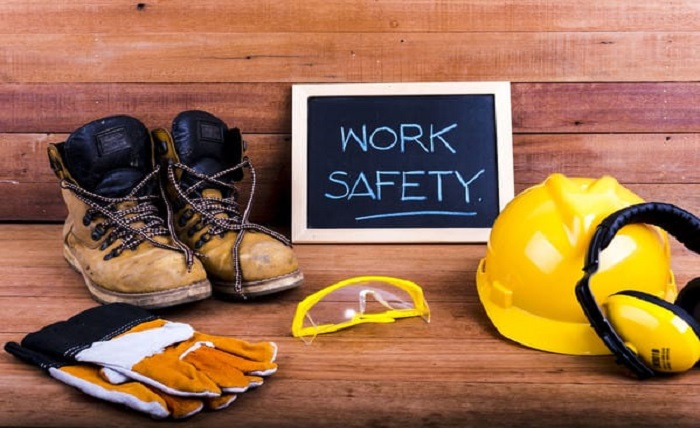
Every worker must have access to and be required to use the appropriate PPE. This includes hard hats, safety glasses, high-visibility clothing, and steel-toed boots. Specialized tasks may require additional gear, such as respiratory protection, gloves, or hearing protection. Management’s role is not just to provide the equipment but also to enforce its use consistently.
A secure worksite is a productive one. By prioritizing planning, training, and a proactive safety culture, construction companies protect their most valuable asset: their people.