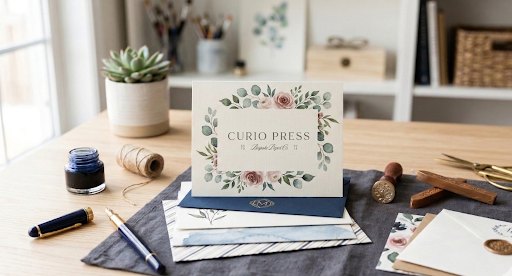
A handwritten note still carries weight that digital messages can’t match. There’s something about holding a physical card, feeling the paper’s texture, and reading someone’s handwriting that creates a genuine connection. Whether you’re thanking a client, congratulating a friend, or simply staying in touch, the medium matters as much as the message. That’s why personalized notecards have quietly become one of the most popular stationery items for individuals and businesses alike. They sit at the intersection of practicality and thoughtfulness, offering a small canvas for big impressions. This guide to custom notecards will walk you through everything from sizing and design to finding the right supplier, so you can create something that actually represents you. If you’ve been thinking about ordering a set but aren’t sure where to start, you’re in the right place. The details matter more than you’d expect, and getting them right makes the difference between a card that gets tossed and one that gets pinned to a bulletin board.
What Are Notecards and How Are They Used
What Are Notecards
A notecard is a small, typically folded or flat piece of cardstock used for short, handwritten correspondence. Think of it as the middle ground between a full letter and a sticky note: formal enough to feel intentional, casual enough that you don’t need to fill an entire page. Most notecards feature a blank or lightly designed front and a clean interior for writing. They’re usually made from a heavier paper stock than standard printer paper, giving them a more substantial feel in the hand. The weight of the paper typically ranges from 80 to 110 lb cover stock, and the finish can be matte, glossy, or textured depending on the manufacturer.
Common Uses for Note Cards
The versatility of note cards is part of their appeal. Here are the most common ways people use them:
- Thank-you notes after events, gifts, or business meetings
- Short personal messages to friends and family
- Professional follow-ups with clients or colleagues
- Sympathy or encouragement notes
- Quick invitations or save-the-dates for small gatherings
- Enclosure cards tucked into gift bags or flower arrangements
Each of these situations calls for brevity, which is exactly what a notecard encourages. You don’t need to write a novel. A few sincere sentences on quality paper can say more than a lengthy email ever could.
Why Notecards Are Still Popular Today
In an era dominated by text messages and Slack notifications, you might wonder why anyone still bothers with physical stationery. The answer is simple: rarity creates value. Because so few people send handwritten notes anymore, receiving one feels special. A 2023 survey by the U.S. Postal Service found that 67% of respondents said they felt more valued when receiving physical mail than when communicating digitally. Notecards also serve a practical function for people who want to maintain a polished personal or professional brand without the formality of letterhead. They’re quick to write, easy to keep on hand, and they don’t require an envelope if you’re handing them out directly.
Types of Personalized and Custom Notecards
What Are Personalized Notecards
Personalized notecards are cards customized with your name, monogram, initials, or a specific design element that makes them uniquely yours. The simplest version might just feature your first name in an elegant font on the front. More elaborate versions could include a custom illustration, a family crest, or a company logo paired with brand colors. The key distinction is that these aren’t generic cards pulled off a shelf. They’re made to order with your specific details, which means every note you send reinforces your identity before the recipient even opens the card.
Custom Notecards for Business and Personal Use
The use case shapes the design. For business, custom notecards often feature a company logo, the sender’s name and title, and, on the back, contact information. Real estate agents, financial advisors, and consultants use them heavily because a handwritten follow-up note after a meeting creates a lasting impression that a templated email simply cannot replicate.
For personal use, the design tends to be more expressive. You might choose a favorite color palette, a floral pattern, or a minimalist monogram. Some people order seasonal sets, keeping a stack of warm-toned cards for autumn and crisp whites for summer. The point is that custom cards let you express personality through paper, and that expression is what makes them memorable.
Differences Between Note Cards and Greeting Cards
People often confuse these two, but they serve different purposes. Greeting cards are occasion-specific: birthday, holiday, and anniversary cards. They typically come with a pre-printed message inside. Notecards, on the other hand, are blank inside and meant for your own words. They’re not tied to any particular event. A greeting card says “Happy Birthday” because Hallmark wrote it. A notecard says whatever you want it to say, in your own handwriting. That flexibility is exactly why many people prefer keeping a box of personalized notecards on hand rather than making last-minute trips to the card aisle.
How Big Are Notecards
Standard Notecard Sizes Explained
Notecard sizing isn’t standardized the way printer paper is, but a few common dimensions dominate the market:
- 4.25 x 5.5 inches (A2): The most popular size for personal correspondence. Fits neatly into a standard A2 envelope.
- 3.5 x 5 inches: A slightly smaller option, often used for enclosure cards or brief thank-you notes.
- 5 x 7 inches (A7): A larger format that gives you more writing space and more room for design elements on the front.
- 4 x 6 inches: Common for flat notecards, similar in size to a standard photo.
The folded versions of these sizes mean the actual cardstock starts out twice as wide and gets folded in half, creating a front, back, and interior writing surface.
Choosing the Right Size for Your Needs
Size selection depends on how much you plan to write and where the card will be used. If you’re a business owner who sends quick two-sentence thank-yous, the 3.5 x 5-inch format works perfectly. If you tend to write longer messages or want a card that feels more substantial in the hand, go with the 5 x 7 option.
Think about envelopes too. Odd-sized cards can be a headache because finding matching envelopes becomes difficult. Stick with standard sizes unless you’re ordering a complete set with envelopes included. Most reputable suppliers sell notecards and envelopes together for this exact reason.
Popular Notecard Formats and Layouts
Beyond size, you’ll choose between folded and flat formats. Folded notecards are the classic choice: they open like a tiny book, with the design on the front and writing space inside. Flat notecards are single-sided cards, often used for enclosures or quick notes where you write on the back.
Layout options include portrait (vertical) and landscape (horizontal) orientations. Portraits tend to feel more traditional and work well with monograms or centered text. Landscape layouts offer a more modern feel and provide a wider canvas for illustrations or logos. Your choice here is mostly aesthetic, but it does affect how the card sits inside an envelope, so consider the full presentation.
Designing Personalized Notecards
How to Create Custom Notecards
The design process varies depending on where you order, but the general steps remain the same. You’ll start by selecting a card size and format. Then you’ll choose a design template or upload your own artwork. Most online platforms offer a drag-and-drop editor that lets you position text, upload images, and preview the final product before ordering.
If you have a specific vision that templates can’t accommodate, many print shops accept custom files in PDF, PNG, or Adobe Illustrator formats. Working with a graphic designer for this step typically costs between $50 and $200, depending on complexity, and gives you a file you can reuse for future orders.
Fonts, Colors, and Layout Tips
Font choice sets the tone immediately. A script font like Edwardian Script communicates elegance and tradition. A clean sans-serif like Futura feels modern and professional. Avoid using more than two fonts on a single card: one for your name and one for any secondary text is plenty.
Color selection should complement your personal brand or aesthetic. For business notecards, match your brand colors exactly using Pantone or hex codes. For personal cards, consider what feels authentically you rather than what’s trending on Pinterest. A muted sage green might last longer in your rotation than this year’s trendy neon coral.
Keep the layout uncluttered. White space is your friend on a notecard. The front should communicate who the card is from at a glance, not overwhelm the recipient with information.
Adding Logos, Names, or Messages
For business cards, your logo should be the focal point of the front design. Place it centrally or in the upper third of the card, and make sure it’s high resolution (at least 300 DPI) so it prints crisply. Your name or company name can sit below the logo in a complementary font.
Personal notecards benefit from a monogram or full name on the front. Some people add a short tagline or personal motto, but keep it brief. The inside of the card should remain blank for handwriting. Pre-printed messages inside a notecard defeat the purpose of sending a personal note. If you want to include contact details, put them on the back of the card in small, understated text.
Where to Buy Custom Notecards
Where to Find Personalized Notecards Online
Several online retailers specialize in custom stationery, and the quality varies significantly. Minted and Papier offer designer templates with premium paper options. Vistaprint and Zazzle provide budget-friendly alternatives with extensive customization tools. Etsy is worth browsing for independent designers who create unique, hand-illustrated options you won’t find anywhere else.
Pricing typically ranges from $1 to $4 per card, depending on paper quality, printing method, and order quantity. Letterpress and foil-stamped cards sit at the higher end, while digital printing keeps costs down for larger orders.
What to Check Before Ordering Notecards
Before clicking “order,” verify these details:
- Paper weight and finish: Look for at least 100 lb cover stock for a quality feel. Matte finishes are easier to write on than glossy ones.
- Print method: Digital printing is affordable and produces sharp results. Letterpress creates a tactile impression in the paper. Thermography raises the ink for a textured effect.
- Envelope inclusion: Confirm that envelopes are included and that they match the card size.
- Proof approval: Always request a digital proof before production begins. Typos on 100 notecards are expensive typos.
- Return policy: Check whether the supplier accepts returns on custom orders, since most don’t.
Choosing a Trusted Notecard Provider
Read reviews, but read them critically. Look for comments about paper quality, print accuracy, and shipping times rather than just star ratings. A supplier with 4.2 stars and detailed positive reviews about paper thickness is more trustworthy than one with 4.8 stars and vague praise.
Order a sample set before committing to a large order. Many suppliers offer sample packs for a few dollars, and holding the actual product in your hands tells you more than any product photo can. Pay attention to how the card feels, how the ink looks in natural light, and whether the envelope flap seals cleanly.
Final Thoughts on Notecards
Are Personalized Notecards Worth It
Absolutely, if you’ll actually use them. A box of 50 custom notecards might cost $75 to $150, which breaks down to $1.50 to $3 per note. Compare that to the cost of a store-bought greeting card at $5 to $7 each, and personalized notecards are the more economical choice over time. The real value, though, is in the impression they create. A branded notecard from a business or a monogrammed card from a friend communicates care and intentionality that generic alternatives simply can’t.
Who Should Use Custom Notecards
Small business owners, freelancers, real estate professionals, and anyone in a client-facing role will get the most mileage from custom notecards. On the personal side, they’re perfect for anyone who values handwritten communication: parents sending thank-yous after a child’s birthday party, couples expressing gratitude after their wedding, or anyone who wants to stay connected with friends and family in a meaningful way.
How to Pick the Best Notecards
Start with how you’ll use them most often. Pick a size that matches your typical message length. Choose a design that feels like you, not like a template. Invest in good paper stock because people notice the weight and texture of a card before they read a single word. Order a small batch first to test the quality, then commit to a larger order once you’re satisfied. The best notecard is one you’re proud to send, and that starts with getting the details right from the beginning.