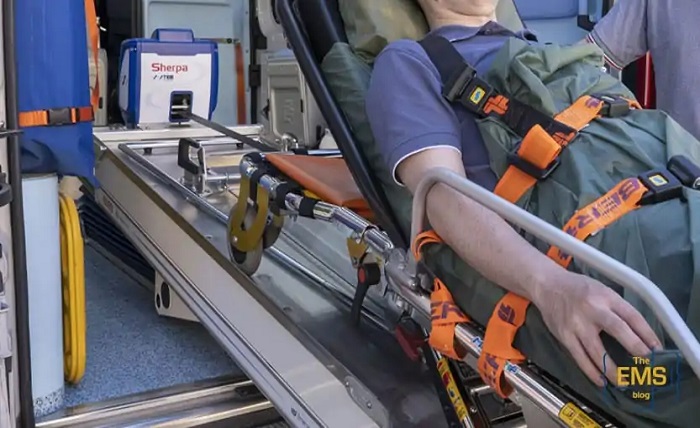
When a medical emergency unfolds, the visible drama tends to center on the moments of immediate intervention: CPR, defibrillation, bleeding control. These are the actions that capture attention and, in many cases, save lives before professional help arrives. But the less visible elements of emergency medical response, including the equipment used to transport patients safely from the scene to definitive care, are equally critical to outcomes.
Ambulance stretchers and medical transport cots are central to that process. Their design, capability, and condition directly affect both the safety of the patient and the physical wellbeing of the EMS crew managing them.
The Evolution of Ambulance Stretchers
Early ambulance cots were simple, manually operated devices. A crew would need to physically lift and lower patients, controlling the weight entirely with their own strength. This was both physically demanding and presented real risks of injury to both patients and responders, particularly in tight spaces, stairways, or uneven terrain.
The introduction of powered ambulance cots changed this significantly. Systems like the Stryker Power-PRO series use battery-powered mechanisms to raise and lower the cot at the push of a button, removing the manual lifting element from loading and unloading. This reduces the physical strain on crew members and minimizes the jarring movement that manual loading can cause for patients, particularly those with spinal injuries, cardiac events, or trauma.
StretchersRUs carries a range of Ambulance Stretchers including the Stryker Power-PRO series, along with other models from Ferno and additional brands. Each unit is inspected and refurbished at their New Jersey facility, serving hospitals, EMS providers, and healthcare organizations that need reliable medical transport equipment.
What Makes a Quality Medical Transport Cot
Several features distinguish a quality ambulance stretcher from a basic transport device.
Weight capacity is one of the most important specifications. Standard cots handle around 500 pounds, while heavy-duty models accommodate significantly more. For EMS agencies serving a diverse patient population, having higher-capacity equipment is both a safety and an operational necessity.
Adjustability matters for patient comfort and clinical access. A stretcher that can be raised or positioned at different angles allows paramedics to maintain optimal positioning for cardiac patients, trauma patients, or those in respiratory distress during transport.
Durability and ease of cleaning are also key considerations in a clinical environment. Stretcher surfaces must withstand repeated disinfection without degrading, and mechanical components need to function reliably through thousands of uses in demanding conditions.
Stair chairs, which allow EMS crews to move patients down staircases or through narrow spaces before reaching the stretcher, are a related piece of equipment that StretchersRUs also carries. In older buildings, multi-family residences, or environments where a standard cot cannot reach the patient directly, stair chairs fill a critical gap in the evacuation chain.
Refurbished Equipment as a Practical Option
New ambulance cots carry a high price point, and for smaller EMS agencies, volunteer fire departments, or home healthcare organizations, that investment can be a barrier. Refurbished equipment from a reputable supplier provides a cost-effective alternative without sacrificing safety or reliability.
The distinction between a well-refurbished cot and a poorly maintained one is significant. Reputable suppliers inspect every component, replace worn parts, and test the equipment before it leaves the facility. When evaluating refurbished medical equipment, understanding the supplier’s inspection and refurbishment process is as important as the price.
Frequently Asked Questions
What is the difference between an ambulance stretcher and a transport cot? The terms are often used interchangeably. In general use, both refer to the wheeled device used to transport a patient in or out of an ambulance. Some contexts distinguish between lighter transport chairs and full ambulance cots, but in EMS settings, stretcher and cot typically mean the same thing.
What weight capacity do ambulance stretchers typically support? Standard models support around 500 pounds, while heavy-duty options are rated for 700 pounds or more. The Stryker Power-PRO XT, for example, has a 700-pound capacity.
Are powered stretchers safer than manual ones? Powered cots reduce the lifting demands on EMS crews, which decreases the risk of musculoskeletal injuries and also reduces the abrupt movement that manual loading can cause. For patient safety and crew health, powered systems are generally considered the safer option where budgets allow.
Where can EMS agencies source refurbished ambulance stretchers? Specialist medical equipment suppliers like StretchersRUs inspect, refurbish, and sell used EMS equipment including stretchers, stair chairs, and accessories. Purchasing from a supplier with a documented inspection process is important for ensuring equipment reliability.
What accessories are typically used with ambulance stretchers? Common accessories include stretcher straps and restraint systems, IV poles, oxygen bottle holders, backrest position locks, and replacement padding. These components affect both patient safety and crew efficiency during transport.