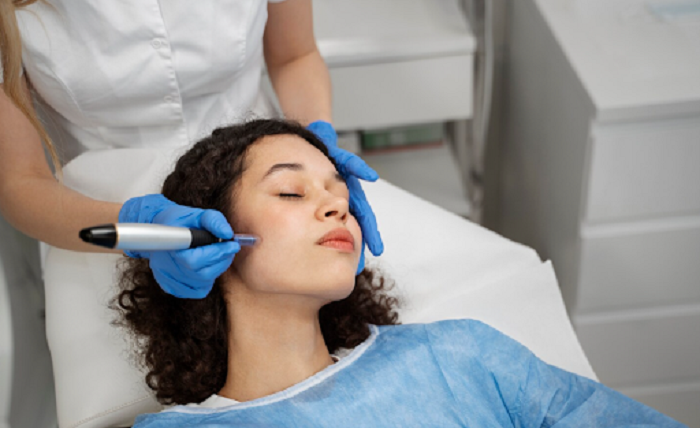
Skin tags are small, soft growths that can appear on various parts of the body, including the face and neck. Although they are usually harmless, facial skin tags can sometimes become a source of frustration, particularly when they are noticeable or catch on clothing, jewellery or other objects. Hanguk’s skin tag removal service may be an option for those seeking professional help with visible skin tags and a smoother-looking complexion. For people who would prefer a smoother appearance, facial skin tag removal can offer a practical solution.
Before considering removal, however, it is important to understand what skin tags are, why they develop and how they can be treated safely. Because not every skin growth is a skin tag, professional assessment is particularly important when a growth is new, changing or unusual in appearance.
What Are Skin Tags?
Skin tags are small, benign growths made up of collagen fibres, blood vessels and skin tissue. They are often soft and may be attached to the skin by a narrow stalk. Their colour can range from flesh-toned to slightly darker than the surrounding skin.
They commonly develop in areas where skin rubs against skin or clothing. While they are more frequently found around the neck, underarms and other areas of friction, skin tags can also appear on the face.
Facial skin tags are generally not considered dangerous. Nevertheless, their appearance can make some people feel self-conscious, particularly when they occur around prominent areas such as the eyelids, cheeks or jawline.
Why Consider Facial Skin Tag Removal?
There are several reasons why someone may choose to have a facial skin tag removed. Cosmetic appearance is often the main consideration. A noticeable growth can affect how a person feels about their appearance, even when it poses no medical concern.
Skin tags can also occasionally become irritated. A tag located in an area that is frequently touched, shaved or exposed to skincare products may become uncomfortable. Some can also catch on jewellery or clothing, potentially causing irritation.
Removal may provide a straightforward way to address these concerns. However, the decision should be based on professional advice, particularly when the growth is located close to sensitive areas such as the eyes.
How Is Facial Skin Tag Removal Performed?
The appropriate removal method depends on the size, location and characteristics of the skin tag. A qualified medical or dermatology professional can examine the growth and recommend the most suitable approach.
One common method is excision, where the skin tag is carefully cut away using appropriate medical instruments. Another approach is cauterisation, which uses controlled heat to remove the tissue. Cryotherapy may also be considered in certain circumstances, using a very cold substance to freeze the unwanted tissue.
The chosen procedure is usually relatively quick, although the exact process varies depending on the individual case. Local anaesthetic may be used where appropriate to make the procedure more comfortable.
Because facial skin is particularly visible and can be delicate, treatment should be carried out by an appropriately qualified professional. This is especially important when a skin tag is near the eyelids or other sensitive areas.
What to Expect After Removal
Recovery following facial skin tag removal depends on the technique used and the size and location of the growth. It is normal for the treated area to appear slightly red or sensitive immediately afterwards.
A small scab may form as the skin heals. It is important not to pick or scratch the area, as doing so can interfere with healing and potentially increase the risk of irritation or scarring.
Aftercare instructions will depend on the procedure. A practitioner may recommend keeping the area clean and protected while it heals. Sun protection can also be particularly important after a skin procedure because newly healing skin may be more sensitive to sunlight.
Most minor removal procedures have a relatively short recovery period, although complete healing can take longer depending on the individual and the treatment method.
Why Professional Assessment Matters
It may be tempting to remove a facial skin tag at home, particularly when the growth appears small and uncomplicated. However, attempting to cut, burn or otherwise remove a skin growth without professional guidance can result in bleeding, infection, scarring or other complications.
More importantly, not every growth that resembles a skin tag is necessarily a skin tag. A qualified professional can examine the area and determine whether removal is appropriate. If the growth has changed in size, shape or colour, bleeds without an obvious reason or develops other unusual characteristics, professional assessment becomes particularly important.
A proper evaluation provides reassurance and helps ensure that any treatment is appropriate for the specific growth.
Choosing the Right Approach
When considering facial skin tag removal, the goal should not simply be to remove the growth as quickly as possible. The location of the skin tag, the condition of the surrounding skin and the potential for marks or scarring should all be taken into consideration.
A consultation allows these factors to be discussed before treatment. It also allows the practitioner to explain what the procedure involves, what recovery may be like and what results can reasonably be expected.
Facial skin is highly visible, so taking a careful approach can make a significant difference to the overall experience. Following professional aftercare advice can further support proper healing.
Conclusion
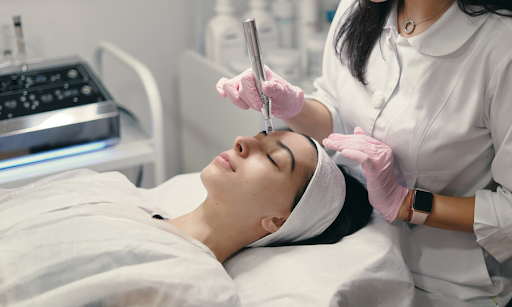
Facial skin tag removal can be an effective way to address unwanted skin tags that are noticeable, irritating or simply unwanted for cosmetic reasons. Several professional techniques may be available, including excision, cauterisation and cryotherapy, with the most suitable option depending on the individual growth and its location.
Although skin tags are usually harmless, it is important to have unusual or changing skin growths assessed before attempting removal. Professional treatment also reduces the risks associated with trying to remove a growth at home.
With appropriate assessment, a suitable removal method and careful aftercare, people considering facial skin tag removal can approach the process with greater confidence while prioritising the health and appearance of their skin.