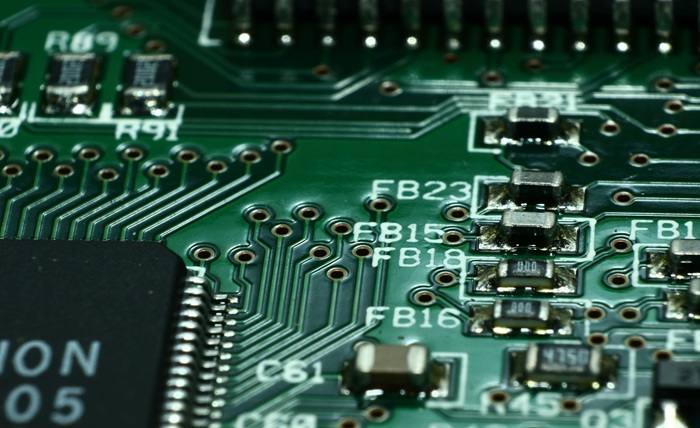
A new electronic product can look promising in the development lab. The circuit works, the enclosure fits, and the first prototype performs as expected. But there is still a big difference between testing a few prototypes and putting a product into the hands of real users. This is where PCB manufacturing for product development becomes especially useful. Through small-batch PCB assembly, development teams can build a limited number of devices, gather practical feedback, and make better decisions before committing to larger production volumes.
A Prototype Cannot Answer Every Question
Prototypes are essential for checking whether an idea works. Engineers use them to evaluate circuits, test components, and identify design problems.
However, prototypes are often handled by the people who designed them. Engineers know which connectors are delicate, how the device should be powered, and what conditions might cause unexpected behavior.
Real users do not have that knowledge.
They may connect cables differently, operate the device for longer periods, or use it in environments the development team did not anticipate.
A small production batch allows more people to interact with the product, revealing issues that may never appear during controlled laboratory testing.
Small Batches Make Real-World Testing Possible
Imagine a company developing a compact environmental monitoring device.
Its first prototypes measure temperature and humidity accurately in the laboratory. The wireless connection works, and the battery lasts through initial testing.
The team then produces 50 units for a limited field trial.
After several weeks, users report that some devices are difficult to install in narrow spaces. Others experience occasional communication interruptions in certain buildings. A few users find the charging connector inconvenient.
Not all these problems involve defective circuit boards. Some relate to mechanical design, installation conditions, or user expectations.
But identifying them early gives the development team an opportunity to improve the complete product.
This is one of the practical advantages of small-batch PCB assembly: it supports real-world evaluation without requiring a large initial production commitment.
User Feedback Can Change Hardware Decisions
Software updates can address many product issues, but some improvements require physical changes.
A connector may need to move to another edge of the PCB. An indicator LED may need a different position. A sensor may require better separation from a heat-generating component.
These changes affect circuit layout, enclosure design, and sometimes component selection.
When only a limited number of devices have been produced, the team can evaluate such modifications before investing in a much larger inventory.
Small-batch production does not eliminate redesign costs. It can, however, limit the number of finished products affected by an early design decision.
Building Multiple Units Reveals Variation
One successful prototype proves that a particular unit can work. It does not show how consistently the design performs across multiple assemblies.
Even when boards use the same approved components and manufacturing instructions, normal component tolerances and process variation can influence their behavior.
For example, a team may discover that several units have slightly different sensor readings or power consumption.
These differences do not automatically indicate manufacturing defects. They may reflect characteristics of the design that become easier to observe when more units are available for comparison.
During PCB manufacturing for product development, producing a small batch gives engineers a broader view of product behavior than a single prototype can provide.
The findings can help them refine specifications, identify critical components, and determine which performance characteristics need closer attention.
Small-Batch Production Also Helps Teams Test Demand
Product development is not only an engineering process. It also involves understanding whether customers actually want the finished device.
A company may have a technically successful product but remain uncertain about its market.
Producing a limited batch allows the team to supply evaluation units to selected customers, conduct pilot programs, or support early commercial trials.
Feedback from these users may influence product features, packaging, accessories, and future production plans.
For a startup or a company entering a new market, this can be more useful than building a large inventory based entirely on early assumptions.
The goal is to learn whether the product meets real needs before increasing production commitments.
Knowing When to Increase Production
A successful pilot batch does not automatically mean the product is ready for high-volume manufacturing.
Before scaling, teams still need to review component availability, manufacturing documentation, test coverage, production costs, and any applicable regulatory requirements.
They should also examine the feedback collected during the trial.
Were users satisfied with the product? Did any hardware problems appear repeatedly? Were changes required to the PCB or enclosure? Can the product be assembled and tested consistently?
Answering these questions helps determine whether the next step should be another small batch, a design revision, or a larger production run.
Conclusion
Electronic product development involves more than proving that a circuit works. Teams also need to understand how their products perform outside the laboratory, how users interact with them, and whether the design can be reproduced consistently.
Small-batch PCB assembly provides a practical way to gather this information while limiting early production commitments. Combined with PCB manufacturing for product development, it helps teams turn initial engineering ideas into products that have been evaluated by real users.
Sometimes, building 50 devices and learning from them is more valuable than producing 5,000 before anyone has tried the product.