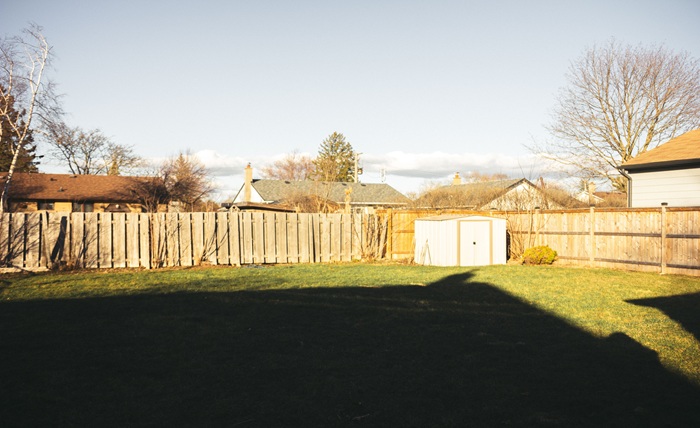
A well-designed fence can transform the way a home looks, feels, and functions. It can establish clear property boundaries, increase privacy, improve security, reduce visual distractions, and create a more comfortable outdoor environment for family members and pets. Among the many fencing materials available today, wood remains one of the most popular choices for homeowners who want a warm, natural, and highly customizable result.
Unlike materials that can sometimes feel overly industrial or uniform, wood offers character. Its texture, grain, color, and flexibility allow it to complement a wide range of architectural styles, from traditional cottages and coastal homes to modern residences and landscaped suburban properties. With the right design, installation, and maintenance plan, a wood fence can become a practical investment that also enhances curb appeal. Homeowners considering residential wood fencing should understand the options available, the benefits wood can provide, and the important planning factors that contribute to a durable, attractive installation.
Why Do Homeowners Continue to Choose Wood Fences?
Wood fencing has remained a trusted option for generations because it combines visual appeal with functional versatility. You can build a wood fence in many heights, configurations, and styles, making it easier to tailor the finished design to the property’s needs. One of the biggest advantages is privacy. A solid board fence can shield a yard from neighboring views, busy streets, or nearby commercial activity. This can make patios, decks, pools, outdoor kitchens, gardens, and play areas feel more secluded. For homeowners who value a peaceful backyard retreat, a tall privacy fence can create a strong visual boundary without sacrificing the landscape’s natural appearance.
Wood is also adaptable. It can be stained in warm natural tones, painted to coordinate with exterior trim, or left to weather into a softer, more rustic finish. Decorative post caps, lattice accents, arched gates, horizontal boards, and custom spacing can further personalize the design.
Common Styles of Wood Fencing
The right fencing style depends on the homeowner’s desired level of privacy, the home’s character, local rules, and how the yard will be used. Below are several popular options.
Solid Privacy Fences
A solid privacy fence uses closely placed boards with little or no open space between them. This style is often selected for backyards, pool areas, side yards, and homes located close to neighboring properties. Privacy fences are commonly built at heights that block sightlines while still meeting applicable community or local requirements. You can build them with boards placed vertically, horizontally, or in alternating patterns for a more decorative look. This option is especially practical for homeowners who want a more enclosed outdoor feel. It can also help reduce some visual distractions from nearby roads, driveways, and neighboring activity.
Shadowbox Fences
A shadowbox fence uses staggered boards on alternating sides of horizontal rails. From a direct angle, the boards overlap to provide more privacy. At the same time, small gaps between the boards allow air and light to pass through. This design can look attractive from both sides, which may be useful when neighbors can see the fence. Its alternating-board layout also provides more dimension than a traditional solid-panel fence.
Board-on-Board Fences
Board-on-board fencing is another privacy-oriented option. It uses overlapping vertical boards to reduce visible gaps as the wood naturally expands and contracts over time. This overlapping pattern creates a layered appearance while providing a strong privacy barrier. It is a popular style for homeowners who want the practical benefits of a solid fence with added visual depth and a more refined appearance.
Picket Fences
A picket fence is a classic choice for front yards, gardens, walkways, and homes with traditional architectural details. It typically uses evenly spaced vertical boards, providing a sense of boundary without fully closing off the property. Although picket fences don’t offer the same privacy as a solid fence, they can define outdoor spaces while preserving visibility and openness. They are often a charming choice for homeowners who want to improve curb appeal or keep children and pets within a designated area.
Horizontal Wood Fences
Horizontal fencing has become increasingly popular because it creates a clean, contemporary look. The boards are installed side by side in a horizontal direction, often with narrow, consistent spacing. Depending on the design, horizontal wood fencing can provide partial or substantial privacy. This style can visually widen a smaller yard and pair well with modern homes, minimalist landscaping, outdoor entertaining spaces, and bold exterior color palettes.
Choosing the Right Type of Wood
Not all wood is the same, and selecting the right material is essential for a fence that looks good and performs reliably over time. The best choice may depend on climate, budget, maintenance expectations, and the desired appearance. Pressure-treated pine is commonly used because it is widely available and treated to resist decay and insect damage. You can paint or stain it, giving homeowners flexibility in the final finish. Like all wood products, it still benefits from regular inspections and maintenance.
Cedar is valued for its natural appearance and resistance to moisture and insects. Its distinctive color and grain can make it a desirable option for homeowners who want a more premium, natural-looking fence. Cedar can be left unfinished for a weathered effect or protected with stain and sealant. Other wood options may be available depending on the region and supplier. A fencing professional can explain which materials best suit the local environment, project goals, and long-term maintenance plan.
Planning for Privacy, Security, and Property Use
Before installation begins, homeowners should think carefully about how they’ll use the fence. A fence designed for decorative curb appeal may have different requirements than one built for backyard privacy, pet containment, or pool-area separation. Gate placement deserves special attention. Position gates where they provide convenient access to side yards, landscaping equipment, trash storage, or outdoor entertaining areas. They should also have dependable hardware and a latch system that functions smoothly. If pets or children will use the area, secure latches are especially important.
Homeowners should also verify property lines before construction. Installing a fence in the wrong location can lead to expensive changes and avoidable disputes. If the boundary is unclear, consulting a qualified survey professional may be appropriate before finalizing the project.
Consider Local Rules and Community Requirements
Fencing projects may be subject to municipal codes, homeowner association standards, permit requirements, and utility considerations. Regulations can affect fence height, placement, materials, gate direction, and setbacks from streets, sidewalks, drainage areas, or easements. Review these requirements before purchasing materials or scheduling work.
Homeowners in communities with an HOA may need design approval before starting the project. Some neighborhoods have specific requirements regarding colors, height limits, or which side of the fence should face outward. Calling for utility marking before digging is another essential step. Fence posts require excavation, and knowing where underground utility lines are located helps reduce safety risks and prevents accidental damage.
Maintaining a Wood Fence Over Time
Wood fencing is durable when it is properly installed and maintained. A little routine care can go a long way toward preserving the fence’s appearance and extending its useful life. Regularly inspect the fence for loose boards, damaged pickets, leaning posts, rusted hardware, or signs of rot. Addressing smaller issues early can prevent more extensive repairs later. After storms or periods of heavy wind and rain, a quick inspection is especially worthwhile.
Periodic cleaning helps remove dirt, mildew, pollen, and organic buildup. Depending on the wood’s finish and condition, homeowners may also apply stain, paint, or a protective sealant. These products can help reduce moisture absorption and protect the surface from sun exposure. Keep plants, vines, soil, and mulch from staying in constant contact with the fence. Vegetation can hold moisture against the wood, which may contribute to deterioration over time. Trimming back shrubs and allowing airflow around the fence can support better long-term performance.
Improve Outdoor Living with a Thoughtful Fence Design
A wood fence can do much more than mark the edge of a property. It can create a quieter setting for outdoor meals, give pets a contained place to play, frame a garden, add structure to landscaping, and make a backyard feel more private and complete. The best projects start with a clear plan. Choose a style that fits the home, select materials suited to the environment, prioritize secure construction, and consider how the fence will support the way your household uses the outdoor space every day.