Bandages, antiseptic wipes, gloves, and other necessary items might be found in a well-stocked first aid bag. One of the most important emergency supplies, nevertheless, cannot be kept in a box. It is the capacity to identify a potentially fatal circumstance and react appropriately. A crucial component of personal safety preparedness is cardiopulmonary resuscitation (CPR), which enables regular people to aid someone in cardiac arrest right away.
Even while emergency services are vital in saving lives, the actions of others in the vicinity might have a big impact before expert assistance shows up. Gaining practical information from learning CPR may be helpful in public areas, at work, and at home.
CPR Is Not Just An Emergency Method
CPR may save a person’s life if they are unconscious and not breathing normally. It involves chest compressions, often in combination with rescue breaths, to maintain blood flow until emergency medical professionals arrive or an automated external defibrillator (AED) may be utilised.
Knowing when and how to do CPR is just as crucial as mastering the skill. Adequate instruction enables participants to identify warning indicators, evaluate the circumstances, and act promptly.
Learning CPR in addition to other emergency response techniques may provide anyone thinking about taking a first aid course Darwin with a more thorough awareness of their own and their community’s safety.
Situations In Daily Life Where Knowledge Of CPR Is Important
Hospitals and high-risk jobs are not the only areas where cardiac arrest occurs. It may happen during everyday activities including family get-togethers, athletic events, shopping excursions, and leisure excursions.
Imagine someone unexpectedly passing out during a neighbourhood gathering. Those in the vicinity can be unsure about what to do, especially if they have never been trained in emergency response.
A person who knows how to do CPR is able to identify the urgency, call emergency services, and start providing the necessary help.
Possessing these abilities does not entail replacing medical personnel. Rather, it entails offering crucial assistance during the critical time before qualified responders show up.
Gaining Self-Assurance With Hands-On CPR Training
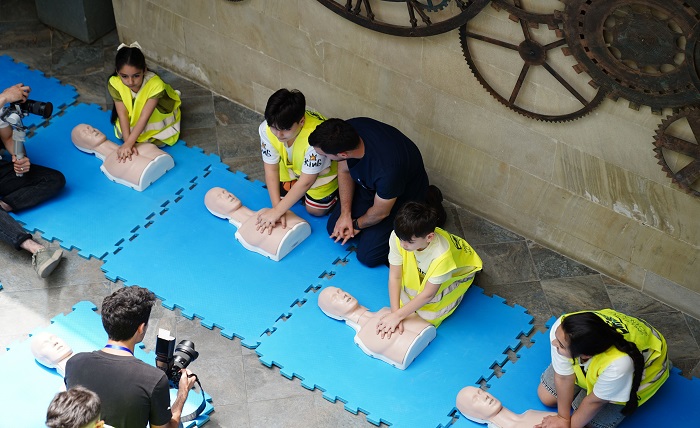
The fundamentals of CPR may be learned by reading, but hands-on training makes it easier for individuals to comprehend how those concepts apply in actual circumstances. Participants may learn proper hand positioning, practice chest compressions on training manikins, and get acquainted with suggested compression methods during a structured workshop.
The proper use of AEDs, which provide instructions to assist users in responding to certain cardiac situations, is also covered in training. A CPR certificate Darwin is proof that a person has completed the necessary training and evaluation. Additionally, it could assist workplace regulations in sectors where disaster preparation is crucial.
More significantly, practical learning lessens reluctance when someone needs support right away.
Why Every Home Safety Plan Should Include CPR
Most homes are ready for everyday occurrences like minor burns, wounds, and falls. Serious medical situations, however, need the same level of care. Family members are encouraged to go beyond tangible first aid items when CPR education is included in a home safety strategy.
Understanding the differences in CPR procedures for adults, children, and newborns may be beneficial for parents, carers, and other individuals. Those looking for organised learning experiences that blend theoretical knowledge with real-world emergency response exercises may choose to investigate training providers like Fast First Aid CPR.
Additionally, households should make sure that family members know how to promptly call for help and that emergency contact information is readily available.
Maintaining Up-To-Date And Useful CPR Skills
It is not appropriate to approach CPR knowledge as something that is learnt once and then forgotten. Over time, methods, suggestions, and personal confidence may shift. Frequent refresher training enables participants to review crucial steps, fix errors, and stay up to date on emergency response protocols.
It may be beneficial for those who haven’t performed CPR in a while to examine the most recent recommendations and complete updated training. Refresher courses are another way that businesses and community organisations may promote a readiness culture.
Conclusion
Purchasing safety equipment is just one aspect of emergency preparation. It necessitates gaining the skills and self-assurance to react to unforeseen circumstances.
During cardiac crises, CPR is a useful technique that may enable common people to take significant action. People may enhance their personal safety toolbox and make the community more prepared and responsive by devoting time to appropriate training and maintaining those abilities.