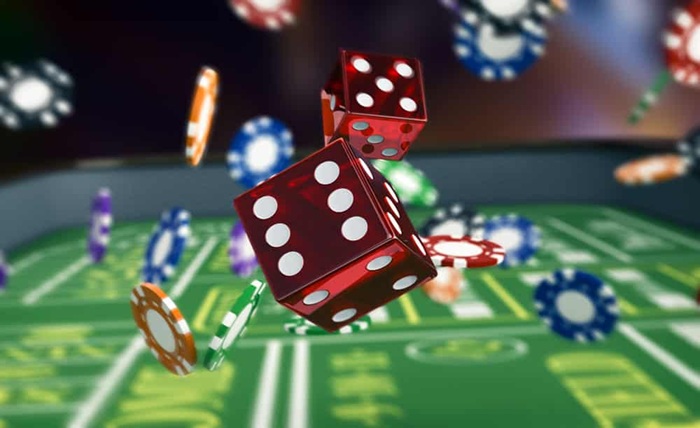
Lights get attention, bonuses get attention, and odds get attention. Sound rarely does. Yet for many players, audio is the first thing they turn off. Sometimes by habit. Sometimes by necessity. Sometimes without thinking at all.
What happens next is not trivial. Gambling without sound alters the way games feel, the duration of sessions, and the level of risk taken. Silence reshapes the experience of how people play slots online games in ways most players never consciously notice.
The Hidden Role of Sound in Gambling
Casino sound is not decoration. It is designed. Every spin, shuffle, and win has a tone attached to it. These sounds provide feedback. They confirm action. They reward continuation. When sound is present, the game speaks back. When it is removed, the player is left alone with visuals and numbers. That silence changes the relationship between action and emotion.
Why Players Choose to Mute Games
Most players do not mute games for strategic reasons. They do it for comfort. They are in public. Someone is sleeping nearby. Or they are multitasking. Common reasons include:
- Playing late at night
- Gambling at work or in shared spaces
- Finding a casino sounds annoying or stressful
- Wanting a calmer experience
The choice feels practical. The effects are psychological.
Silence as a Form of Distance
When sound disappears, so does part of the emotional feedback loop. Wins feel quieter. Losses feel flatter. The game becomes less expressive. This creates distance. Some players like that distance. Others don’t realize it is happening. Distance can reduce excitement. It can also reduce caution.
How Silent Play Changes Risk-Taking
Sound often acts as a brake. Not because it warns players, but because it creates moments. A loud loss stings. A loud win feels final. Silence smooths both. Without sound, bets feel lighter. Repeated actions feel less dramatic. Risk becomes easier to repeat. Players in silent mode often:
- Increase bet speed
- Take more repetitive actions
- Notice outcomes less vividly
Risk does not always increase in size. It increases in frequency.
The Absence of Audio Cues
Sound provides cues that mark progress. A win sound signals success. A loss sound signals failure. Silence removes these markers. Without cues, sessions blur. Bets stack quietly. Time passes unnoticed. This does not mean players lose more automatically. It means awareness shifts.
Slots Without Sound: A Different Machine
Slots are the most affected by silence. Slot sounds are designed to simulate reward, even during losses. Near-misses sound hopeful. Small wins sound big. When muted, slots feel mechanical.
Players often report:
- Less excitement
- More focus on balance changes
- Faster spin cycles
This can lead to longer sessions with lower emotional peaks.
Fewer Emotional Spikes, Fewer Stops
Sound amplifies emotion. Emotion creates stopping points. Without spikes, there is no natural moment to pause. Silence flattens the experience. Flat experiences are easier to extend.
Table Games and Silent Focus
Table games behave differently. In blackjack or roulette, sound plays a smaller role. Cards and wheels already demand attention. Silence here can increase focus. Players track hands more closely. Decisions feel more deliberate. In some cases, silence reduces impulsive side bets. In others, it increases confidence without justification.
Control or Overconfidence?
Silent table play can feel calm and controlled. That calm can be helpful. It can also hide fatigue. Without audio tension, players may believe they are thinking clearly longer than they actually are.
Live Dealer Games Without Audio
Live dealer games lose something important when muted. Human presence is reduced to visuals only. The dealer becomes an animation rather than a person. This changes behavior. Players often:
- Bet faster
- Ignore social cues
- Treat the game more like software
The sense of accountability fades.
When Humans Become Background Objects
Audio humanizes. Silence objectifies. Without voices, live dealers lose emotional weight. This can reduce pressure. It can also reduce restraint.
Silence and Emotional Regulation
Some players mute sound intentionally to manage emotion. Loud wins excite. Loud losses frustrate. Silence keeps feelings level. This strategy can work. It can also backfire. When emotion is suppressed, self-checks weaken. Players may stay longer because nothing feels urgent.
Calm Is Not the Same as Control
Silence feels calm. Calm feels safe. But calm can mask drift. Players may not notice boredom turning into a habit. Or focus turns into autopilot.
Responsible Gambling in Silent Mode
Silent play interacts oddly with responsible gambling tools. Time reminders feel intrusive. Reality checks feel abrupt. Without sound, these prompts feel louder by contrast. Some players ignore them. Others feel annoyed and continue anyway.
Designing for Silence
Most casinos are designed for sound-on play. Silent modes are afterthoughts. This mismatch creates gaps in awareness. Silence is not neutral. It needs its own safeguards.
What Players Rarely Realize
Muted gambling is no less intense. It is less noticeable. That difference matters. Silence does not remove risk. It changes its shape. Players should understand:
- Silence can extend sessions
- Silence can reduce emotional feedback
- Silence can increase repetition
Awareness restores balance.