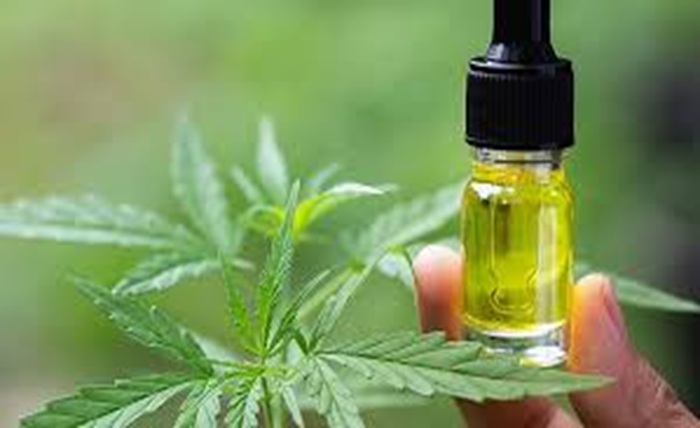
As wellness products continue to gain attention, CBD-infused edibles have become a common option for people looking for relaxation, balance, or everyday support. At the same time, traditional edibles—usually made with THC—remain widely recognized for their stronger psychoactive effects. This has sparked an ongoing conversation: are CBD edibles actually more effective than traditional edibles, or do they simply serve a different purpose? The answer depends on what “effective” means to the individual user.
Understanding the Core Difference
The most important distinction between CBD edibles and traditional THC edibles lies in how they interact with the body. CBD (cannabidiol) is non-intoxicating and does not produce a “high.” THC (tetrahydrocannabinol), on the other hand, is psychoactive and alters perception, mood, and cognition.
Traditional edibles are often chosen for recreational experiences or for people seeking strong sensory effects. CBD edibles focus more on subtle support, making them appealing to users who want calm without impairment. Effectiveness, in this case, depends on desired outcomes rather than overall potency.
How CBD Edibles Work in the Body
CBD interacts with the endocannabinoid system, a network that helps regulate mood, sleep, stress response, and general balance. When consumed as an edible, CBD is processed through the digestive system and metabolized by the liver. This creates a slower onset compared to inhaled products, but the effects tend to last longer.
Because CBD does not bind directly to receptors responsible for intoxication, its impact is often described as steady and functional. For daily routines, work environments, or social settings, this gentle nature can be seen as a major advantage.
Brands such as hempbombs have contributed to the growing visibility of CBD edibles by focusing on consistent dosing and flavor variety, which helps users better understand how CBD fits into their routine.
Traditional Edibles and Their Strength
Traditional edibles are usually THC-dominant, which makes them more intense. The liver converts THC into 11-hydroxy-THC, a compound known for producing stronger and longer-lasting effects than inhaled THC. This is why edibles can sometimes feel overwhelming, especially for inexperienced users.
While these products may be effective for deep relaxation or recreational use, their unpredictability can be a downside. Effects may take one to two hours to appear, leading some users to consume more than intended. This can result in discomfort, anxiety, or fatigue rather than relief.
Effectiveness Depends on the Goal
If effectiveness is measured by strength alone, traditional edibles often appear more powerful. However, strength is not always the best measure of usefulness. Many people define effectiveness as feeling balanced, calm, and able to function normally throughout the day.
CBD edibles excel in this area. They are often used for maintaining emotional steadiness, easing daily tension, or supporting sleep routines without mental cloudiness. Because they do not impair coordination or focus, CBD products are commonly chosen by people who want consistency rather than intensity.
Products from hempbombs are frequently discussed in this context because they emphasize controlled formulations, helping users avoid the trial-and-error experience often associated with stronger edibles.
Side Effects and Tolerability
Another factor in effectiveness is how well a product is tolerated. Traditional edibles can sometimes cause unwanted side effects such as grogginess, racing thoughts, dry mouth, or lingering fatigue. These effects vary widely based on dosage, metabolism, and individual sensitivity.
CBD edibles generally present fewer side effects when taken in moderate amounts. Some users may experience mild drowsiness or digestive discomfort, but serious reactions are less common. This makes CBD a more approachable option for those new to edibles or cautious about strong psychoactive effects.
Over time, users often report that CBD feels easier to integrate into everyday life compared to THC-based products.
Legal and Lifestyle Considerations
Legal access also plays a role in perceived effectiveness. CBD products derived from hemp are widely available in many regions, while THC edibles remain restricted in certain locations. This accessibility allows users to experiment responsibly and maintain consistency, which can enhance long-term results.
From a lifestyle perspective, CBD edibles are easier to align with work schedules, fitness routines, and social obligations. People who value clarity and control often find CBD more practical than traditional edibles.
As interest grows, brands like hempbombs continue to shape how CBD edibles are perceived by focusing on reliability and transparency, two elements that influence user trust and satisfaction.
So, Which Is More Effective?
CBD edibles are not inherently more effective than traditional edibles—they are effective in a different way. Traditional edibles offer intensity and altered perception, while CBD edibles provide subtle, functional support. Neither option is universally better; the right choice depends on personal needs, comfort level, and daily responsibilities.
For those seeking calm without disruption, CBD edibles may feel more effective over time. For others looking for stronger, recreational effects, traditional edibles may still hold appeal. Understanding these differences allows users to make informed decisions rather than relying on strength alone.
In the evolving world of edibles, effectiveness is less about potency and more about alignment with individual goals—and that perspective continues to shape how people choose between CBD and traditional options.