In today’s competitive agricultural landscape, farmers face increasing pressure to boost productivity, control operational costs, and make informed decisions based on real-time data. Traditional farming methods, while time-tested, often struggle to meet modern demands such as efficient resource allocation, unpredictable weather patterns, and the complexities of supply chain management. To overcome these challenges, many farmers are turning to farm management software, which provides a comprehensive platform to monitor crops, manage resources, and analyze performance metrics.
With these digital solutions, farmers can not only plan effectively for each season but also make strategic decisions that impact long-term growth and profitability. This shift toward technology-driven agriculture is transforming the way farms operate, enabling greater efficiency, sustainability, and resilience in an industry that is constantly evolving.
Understanding the Role of Digital Tools in Agriculture
Modern farms are no longer just about planting and harvesting; they require meticulous planning, monitoring, and analysis. Digital tools help bridge the gap between traditional practices and innovative strategies.
- Data Collection: Sensors and IoT devices collect information about soil health, moisture levels, and crop growth.
- Decision Support: Farmers can make informed decisions regarding irrigation, fertilization, and pest control.
- Resource Optimization: Inputs like water, fertilizers, and labor are used more efficiently, reducing waste and costs.
- Yield Prediction: Predictive analytics allow farmers to estimate crop output and prepare for market demands.
With these tools, farm operators can gain a comprehensive view of operations, transforming reactive practices into proactive strategies.
Key Features Farmers Should Consider
When selecting a farm management system, it is crucial to choose one that addresses the specific needs of the farm. Effective solutions provide a range of features that simplify operations.
- Inventory Management: Track seeds, fertilizers, machinery, and harvested produce efficiently.
- Financial Tracking: Monitor expenses, profits, and budget allocations to maintain financial health.
- Crop Monitoring: Detailed reporting on growth stages, pest activity, and nutrient requirements.
- Workforce Management: Assign tasks, schedule labor, and monitor performance remotely.
- Weather Integration: Real-time updates and alerts for adverse weather conditions affecting crops.
By integrating these features, farmers can focus more on strategic planning and less on operational bottlenecks.
Improving Productivity Through Smart Planning
Efficient farm operations require careful planning at every stage of the crop lifecycle. This includes seeding, irrigation, harvesting, and post-harvest storage. Farm operators can leverage technology to:
- Plan Crop Rotations: Optimize soil health and prevent nutrient depletion.
- Automate Irrigation: Use soil moisture data to water crops precisely, conserving water.
- Schedule Maintenance: Maintain machinery proactively, avoiding downtime.
- Analyze Historical Data: Make informed decisions based on past crop performance.
Such planning not only boosts productivity but also ensures long-term sustainability and profitability.
Cost Management and Financial Benefits
Investing in digital farm solutions can initially seem expensive, but the long-term financial benefits are substantial. A comprehensive farm business management software system allows farm owners to:
- Track Expenditure: Know exactly where resources are spent and identify areas for savings.
- Predict Revenue: Estimate crop yield and revenue with precision, facilitating better planning.
- Reduce Losses: Minimize spoilage and inefficiencies with real-time monitoring.
- Improve Profit Margins: Allocate resources efficiently to maximize output per unit cost.
By turning data into actionable insights, farms can achieve stronger financial stability and greater return on investment.
Enhancing Sustainability and Environmental Responsibility
Sustainable practices are no longer optional, they are essential for long-term success in agriculture. Smart management software promotes environmentally responsible farming by:
- Reducing Chemical Use: Apply fertilizers and pesticides only when necessary.
- Minimizing Water Waste: Use predictive irrigation schedules based on real-time data.
- Monitoring Soil Health: Track soil composition to prevent degradation.
- Lowering Carbon Footprint: Optimize transportation and logistics to reduce emissions.
Integrating these practices contributes to a greener, more resilient farming ecosystem while meeting regulatory and market demands.
Boosting Supply Chain Efficiency
Farming isn’t limited to production; the supply chain plays a significant role in ensuring profitability and market success. Technology helps farmers:
- Track Produce: Monitor crop movement from farm to storage and markets.
- Manage Logistics: Plan efficient routes and reduce delivery delays.
- Predict Demand: Adjust production schedules based on market trends.
- Enhance Traceability: Maintain records for quality control and certifications.
These capabilities ensure that high-quality produce reaches markets quickly, reducing losses and enhancing brand credibility.
Labor and Workforce Management
Human resources remain a vital part of farm operations, and digital solutions can significantly improve workforce efficiency. Key benefits include:
- Task Assignment: Allocate jobs to workers based on skill and availability.
- Performance Tracking: Monitor output and provide timely feedback.
- Remote Oversight: Manage labor operations without being physically present.
- Payroll Integration: Automate salary calculations and incentives.
This streamlined approach allows farm managers to focus on strategic operations instead of day-to-day personnel issues.
Leveraging Data Analytics for Decision-Making
Data-driven decision-making is at the core of modern farm management. By analyzing collected information, farmers can:
- Predict Crop Disease: Early detection of diseases minimizes losses.
- Optimize Fertilization: Determine the exact nutrient requirements of crops.
- Forecast Market Trends: Align production with consumer demand.
- Evaluate Performance: Identify high-performing crops, practices, and resources.
Analytics transforms raw data into a competitive advantage, enabling smarter, faster, and more accurate decisions.
Future Trends in Agricultural Technology
The agricultural sector is evolving rapidly, and technology continues to play a pivotal role. Some emerging trends include:
- AI and Machine Learning: Automating crop monitoring and predictive analytics.
- Blockchain for Traceability: Enhancing transparency across the supply chain.
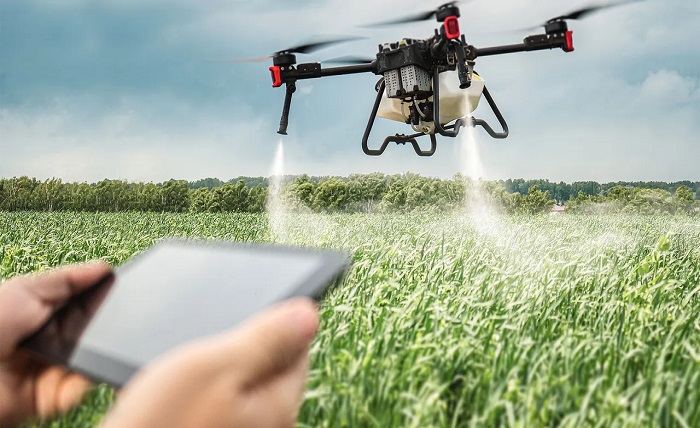
- Autonomous Machinery: Drones and robots for planting, monitoring, and harvesting.
- Mobile Access: Remote farm management via smartphone applications.
Adopting these innovations can give farmers a competitive edge and position them as leaders in the sector.
Conclusion
In conclusion, modern agriculture thrives on the strategic use of technology. By implementing farm management software, farmers can streamline operations, enhance productivity, reduce costs, and adopt sustainable practices. From resource optimization and workforce management to supply chain efficiency and data-driven decision-making, these digital tools are transforming the way farms operate. Midway through operations, farm business management software can provide deeper insights into performance, ensuring consistent growth and profitability.
Investing in the right technology is more than an operational choice, it is a strategic move toward long-term resilience and competitiveness. For farms looking to stay ahead of the curve, embracing digital solutions is no longer optional but essential. Boost your agricultural efficiency and growth by exploring solutions like AgriChain, which provides comprehensive tools for end-to-end farm management, ensuring smarter decisions and higher profitability.