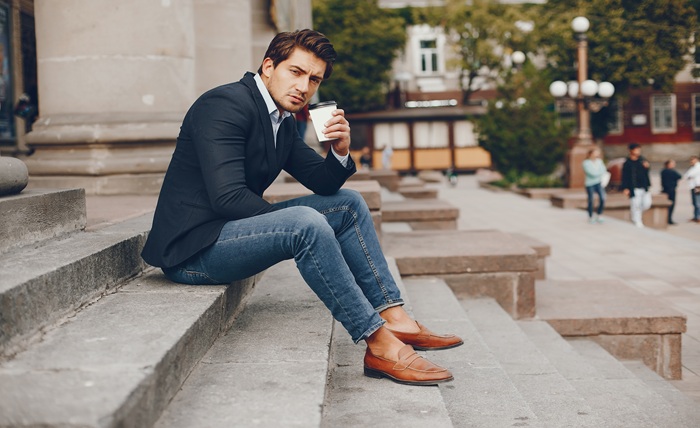
Formal dressing is often discussed in terms of jackets and shirts, but shoes rarely receive the same attention. Many men choose them hastily, assuming any neat-looking pair will suffice. It’s only after weeks of use that the importance of that decision becomes clear.
Discomfort and poor balance usually come from rushed choices, while poorly stitched shoes wear quickly. Such issues affect posture, confidence, and even work efficiency. Selecting comfortable formal shoes for men isn’t a minor detail—it’s essential to building a reliable professional routine. This guide will help you choose formal shoes that combine style with lasting comfort.
How footwear shapes daily impressions
In professional settings, people notice more than they admit. Shoes that appear worn or poorly fitted quietly weaken an otherwise strong appearance.
On the other hand, well-kept men’s formal shoes suggest discipline and self-awareness. They reflect care without demanding attention. This silent consistency often leaves a stronger impression than visible accessories.
Consider quality over first impressions
Many shoes look impressive in stores. Bright lighting and mirrors make everything look better than it really is. This creates confidence that may not be deserved.
True quality only becomes visible after regular use. After weeks of walking and commuting, strong stitching and stable soles remain comfortable. Weak construction does not. It starts bending awkwardly, loses support, and discomfort appears.
Climate and routine also matter. A person who walks a lot needs better comfort than someone with a sedentary job. Thus, materials and structure must match real life.
Check the fit
Many men accept uncomfortable formal shoes simply because the size number seems correct. This often leads to foot pain later.
Good footwear should allow slight movement at the front, with the heel remaining stable and the sides not pressing too tightly.
So, plan your shoe shopping for the afternoon. It will give you more realistic results, as feet naturally expand during the day. People who walk often or stand for long hours should avoid narrow designs. Remember, comfort starts with fit.
Choose comfortable styles
Professional environments tend to change slowly. Because of this, certain designs remain useful for decades. Some popular styles include:
- Oxford
- Derby
- Brogue
- Chelsea
- Loafers
These styles continue to work because they balance appearance with practicality, and seamlessly fit into different workplace outfits without effort. Trend-driven designs rarely offer the same reliability.
Select versatile colors
Color is often treated as a personal preference. In practice, it also affects daily convenience.
Black, deep brown, and burgundy match most formal clothing. They reduce the need for constant coordination and remain appropriate across seasons and settings. Restrained color choices usually prove more useful over time.
Notice craftsmanship
Quality is rarely obvious at first glance. It appears gradually. It is over days, or maybe after months of use, you will appreciate:
- Even stitching
- Clean edges
- Balanced shape
- Consistent finishing
These details influence how shoes age. Poor workmanship becomes uncomfortable quickly, while careful craftsmanship remains dependable. Time reveals what advertisements cannot.
Prioritize comfort
Discomfort affects more than physical health. It influences patience, focus, and confidence.
Supportive interiors and stable soles reduce strain during long hours. Reading user experiences and allowing time for gradual adjustment helps avoid unnecessary problems. Comfort also supports professional consistency.
Build habits of care
Good footwear requires attention. Without it, even strong construction weakens. Regular cleaning, proper storage, and protection from moisture preserve the structure. These habits take little effort but offer long-term value.
Conclusion
Footwear should never be chosen in haste. Personal routine, work demands, and physical comfort must guide the decision.
When selected thoughtfully, formal shoes for men become dependable partners in professional life. Over time, they support confidence, stability, and quiet credibility, without drawing attention to themselves.