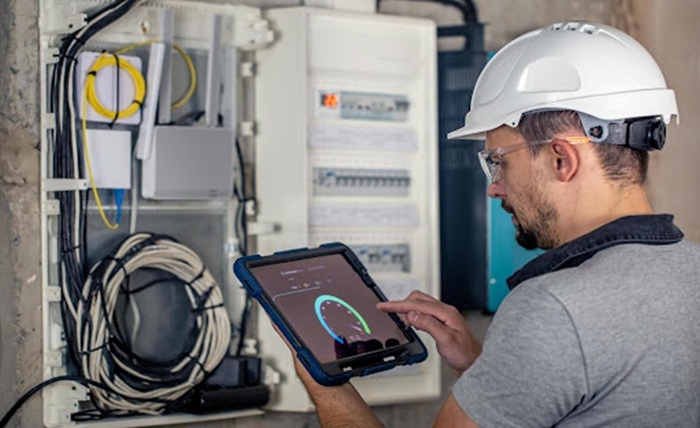
Automated entry systems are an incredible value in terms of security, value, and convenience to any property. From heavy-duty commercial slide gate models to smart home garage door systems, they all involve intricate combinations of moving parts, electrical wiring, and computer-controlled safety features. These systems run continuously under physical stress and outdoor exposure, and if one component begins to wear, the whole system can fail in a short period of time.
A proactive approach is needed to have your automated entry system running smoothly for 10-15 years or more. Having a thorough plan for using assets will save thousands of dollars in emergency equipment replacement costs and help protect your property from unforeseen security gaps.
Phase 1: Establish Your System Asset Registry and Baseline
What can’t be measured can’t be managed. The first step in creating a maintenance program that works is to create a comprehensive list of all entry points in your home.
Document Key Equipment Specifications
Make a master digital record of all your automated entry assets. The following information should be covered in this documentation:
- Exact Models: Manufacturer and Model Numbers will help you find parts that fit the exact model, or describe your setup to a technician easily.
- Component Specifications: Record the exact nature of the drive system, including chain drive, belt drive, heavy-duty screw drive, etc.
- Power and Electrical Requirements: Document the electrical voltage, types of backup batteries, and the firmware version on the logic board.
Complete an Initial Baseline Inspection
Before you schedule future maintenance, figure out the health of your asset. Check for pre-existing wear, including frayed cables, corrosion on hinges, and broken chain links. When a system is already stretched thin, produces grinding sounds, or is difficult to run in the extreme Arizona temperatures, it’s crucial to get professional help first.
When hiring someone to fix liftmaster garage door opener or focus on alignment of physical parts, get the certified technician to do it as soon as possible to ensure that you are undertaking a long-term solution on a solid, foundation-tested basis.
Phase 2: Schedule Time-Based Preventive Maintenance Intervals
This is a well-planned maintenance schedule that includes regular inspections, seasonal changes, and annual major maintenance.
Monthly Tasks: Debris Clearing and Safety Tests
Outdoor automated doors and garage doors are exposed to dust, wind, and debris all day, every day. Remove dirt, leaves, and rocks from the ground tracks and safety sensor lenses once a month.
Also, inspect the photo-eye sensors. Test to ensure proper alignment of the infrared safety lights and that the auto-reset safety mechanism operates immediately with the contact of a physical object when it crosses the door or gate path.
Bi-Annual Tasks: Target Mechanical and Electrical Wear
Every half-year, explore the very heart of your system’s operating hardware:
- Lubrication: Do not use “generic grease” as it will catch dust and set up a grinding paste. However, use a good silicone or lithium-based spray for rollers, hinges, and chains.
- Hardware Tightening: The constant vibration from automated motors naturally loosens nuts, brackets, and track fasteners over time. Carefully check and secure these joints, one by one.
- Electrical Housing Checks: Open up the operator box and see if there are any signs of pest infestation, moisture, or insect nests within, which may result in serious short circuits to the control board.
Phase 3: Address Drive Systems and Brand-Specific Needs
A variety of entry ways and brands will need to be catered to in your maintenance regime. Design your work for a particular drive architecture of your hardware.
Overhead Systems: Tracking Structural Balance
The motor in an automated garage door opener isn’t required to raise the complete weight of the door, but instead must counterbalance the heavy torsion or extension springs.
Check the balance of your system by pulling the emergency release cord and lifting the door by hand halfway. It should remain shut or shoot upward, the tension of the springs is wrong. This imbalance results in greatly increased pressure on the motor gears, causing internal damage and premature failure.
Ground-Level Systems: Calibrating Gates and Sensors
Environmental issues unique to automated swing and slide gates. The amount of friction caused by the gate sagging on the opener arm can cause the motor to draw more electricity to operate the arm and can cause the motor to overload over time.
Be mindful of the track’s physical condition and the condition of the heavy-duty hinges. Also, make sure that the magnetic loop detectors within the driveway provide a consistent signal when vehicles roll over them.
Phase 4: Complex Calibration with Certified Professionals
Basic cleaning, tightening and visual checks can be carried out by property owners but other more complicated technical tasks need to be carried out by trained professionals.
Warning: Garage door spring replacement, logic board replacement, and troubleshooting of difficult internal mechanisms involve risks of property damage and/or personal injury. Doing any work yourself on these parts can invalidate warranties on equipment and affect insurance coverage.
High-risk maintenance jobs are safely performed by professional contractors who have the advanced tools and diagnostic software along with field experience:
- Spring Tuning: Safely tuning or replacing high tension torsion springs
- Safe Compliance: Digital travel limits and motor force tolerances are set with precise force calibration to ensure safe compliance.
- Logic Board Analysis: Intermittent Remote Control interference diagnosis or complex circuit faults diagnosis.
Don’t guess what’s going wrong when your gate operator starts to stutter or flash error codes or may refuse a command. If you install the professional LiftMaster gate opener repair, then you would not have to face the complete breakdown of the electronics.
Conclusion: Safeguard Your Investment and Safety
A consistent, long-term maintenance plan turns your automated access systems from an unpredictable cost into a dependable asset. With monthly cleans, biannual oiling, and professional preventive checks, you reduce equipment failures, improve reliability, and extend the life of the mechanical components.
Instead of waiting for a door that jams, a broken spring, or a broken motor, get in touch with the trained technicians at Elite Garage Doors & Gates to arrange a total system inspection or a maintenance plan built for your specific location.