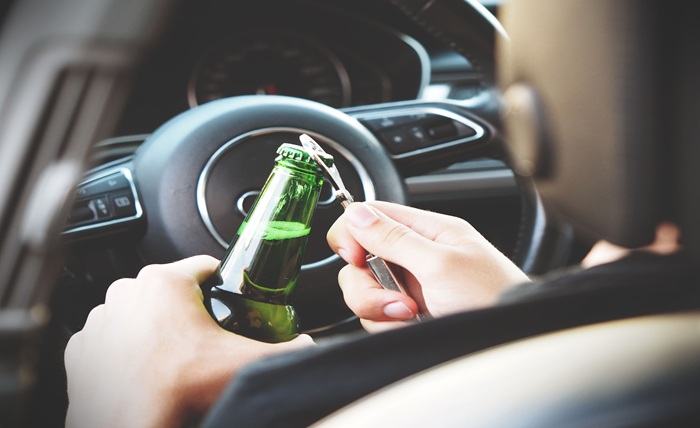
A drunk driving accident can turn an ordinary drive into a life changing event in seconds. One driver chooses to get behind the wheel after drinking, and someone else is left with injuries, medical bills, and a recovery that was never their fault. The steps you take in the days that follow can affect both your health and your ability to hold the other driver accountable.
Talking with a drunk driving accident lawyer in Augusta early on can help you understand your options while evidence is still available. Below is a plain look at what usually happens after a crash involving an impaired driver, along with the steps that protect an injured person the most.
Why These Crashes Cause So Much Damage
Alcohol slows reaction time, affects judgment, and makes it harder for a driver to stay in a lane or respond to sudden changes in traffic. An impaired driver often does not brake in time or misjudges speed, which is why crashes involving alcohol tend to happen at higher speeds and cause more serious injuries than a typical fender bender.
These accidents can also involve more than one person at fault. A bar that kept serving a visibly intoxicated guest, a vehicle owner who handed over their keys knowing the driver had been drinking, or an employer whose worker was driving impaired on the job can sometimes share responsibility. Sorting out who is liable takes a close look at the facts, which is why many injured people do not handle a claim alone.
Get Medical Care Right Away
Even if you feel mostly fine after the crash, get checked out by a doctor as soon as possible. Adrenaline can mask pain for hours, and injuries like concussions, whiplash, or internal bleeding do not always show symptoms right away. A medical exam creates a record connecting your injuries to the crash, which matters if the insurance company later questions how badly you were hurt.
Follow through on any treatment plan your doctor gives you. Gaps in care can be used against you later, with an insurer arguing your injuries were not serious enough to need ongoing treatment. Keep copies of every bill, prescription, and discharge paper, since these records show the true cost of what you have been through.
Preserve Evidence Before It Disappears
Evidence from a drunk driving crash can disappear fast. Vehicles get repaired, skid marks fade, and witnesses forget details. If you are physically able, try to collect the following:
- Photos of the vehicles, the road, and the surrounding area from a few angles
- Pictures of any visible injuries
- Names and phone numbers of anyone who saw the crash happen
- A copy of the police report once it becomes available
- Any traffic or dashcam footage from nearby businesses or vehicles
The police report is especially useful, since it often includes the officer’s observations, any field sobriety tests, and citations issued at the scene.
Be Careful When Talking to Insurance Companies
An insurance adjuster may reach out within a day or two of the crash. It helps to know what is safe to share and what is better left for your attorney:
- Fine to share: your name, contact information, and the date and location of the crash
- Avoid sharing: a recorded statement about how the accident happened
- Avoid sharing: guesses about your injuries before you have seen a doctor
- Avoid sharing: any statement that sounds like you are accepting partial blame
Insurance companies aim to close claims for as little money as possible. A quick settlement offer might sound appealing when bills are piling up, but accepting one before you know the full extent of your injuries can leave you covering future costs on your own.
Understand What Compensation May Cover
A successful claim can cover more than the obvious medical bills. Depending on the situation, compensation may also account for:
- Lost wages while you are out of work recovering
- Reduced ability to earn money if your injuries are long term
- Property damage to your vehicle
- Pain and suffering caused by the crash
- Funeral costs and lost financial support in a wrongful death case
Surviving family members may be able to pursue a wrongful death claim if a loved one was killed by an impaired driver. Some states also allow punitive damages in drunk driving cases, meant to punish especially reckless behavior rather than simply repay losses. An attorney familiar with these cases can explain which types of compensation might apply to your situation.
Augusta Deals With This Problem Often
Augusta sits along the Savannah River and serves as a hub for the surrounding CSRA region, with city streets, busy highways, and roads connecting nearby towns in both Georgia and South Carolina. That amount of traffic, combined with a steady nightlife scene downtown and along Washington Road, means impaired driving crashes are not rare here. Local police and courts see these cases regularly, and legal help familiar with how Augusta handles them can make the process move more smoothly.
Do Not Wait Too Long to Act
Every state sets a deadline for filing a personal injury claim, and missing it usually means losing the right to recover anything. Evidence also gets harder to track down the longer you wait. Witnesses forget what they saw, footage gets deleted, and vehicles get repaired or scrapped.
The problem is bigger than any one city. CDC data on impaired driving deaths shows this remains one of the leading causes of traffic fatalities nationwide, which is why reporting the accident, documenting what happened, and getting legal guidance early matter no matter where the crash occurs.
Moving Forward After the Crash
Recovering from a drunk driving accident takes time, and dealing with insurance companies, medical appointments, and missed paychecks at once can feel overwhelming. Focusing on your health, keeping careful records, and being cautious about what you share with insurers can go a long way toward protecting your claim while you heal.
No two cases look exactly alike, and the right next step depends on the details of what happened to you. Getting information early, even if you are not sure you want to pursue a claim, can help you understand where you stand and what choices are still available.