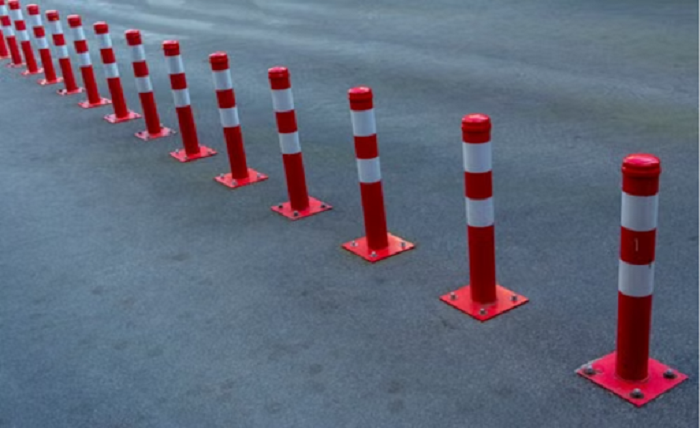
When you rely on bollards to protect doors, walls, equipment, or pedestrian areas, the posts take a constant beating. Outdoor exposure can also leave steel surfaces scratched, faded, or vulnerable to corrosion. A damaged bollard can quickly become an eyesore and create another maintenance task for your team.
Bollard covers offer a practical way to protect the surface of an existing post while keeping the area neat and visible. Instead of repainting exposed steel whenever the finish wears down, you can add a fitted cover that creates a durable outer layer.
This guide explains what bollard covers are, how they protect steel posts, where they work best, and what you should consider before choosing one.
Understand Bollard Cover Purpose
If you are looking for ways to protect your bollards, bollard covers go over the posts you already have to create a protective outer layer. The cover doesn’t take the place of the bollard’s job. It just assists in securing the post, which already safeguards the surroundings around your property.
It is a significant difference to consider when choosing which cover to take. Covers may also help ease the cleaning process. A painted post might need painting again after it gets bumped a lot or is out in the weather.
A well-fitting cover provides you with a surface without needing much maintenance. For individuals who manage commercial properties, this may imply that they have fewer routine tasks to do around the entrances, parking spots, and loading zones, among other high-traffic areas.
How Do Bollard Covers Protect Bollards?
Understanding the purpose of a bollard cover is the first step; the next is looking at how that added layer helps protect the post from everyday wear and environmental exposure.
1. Protect Steel from Wear
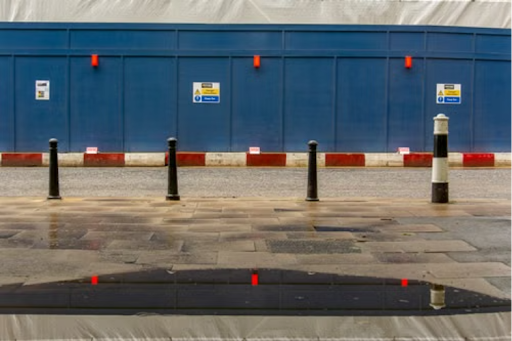
Steel bollards can be affected by moisture, sunlight, dirt, vehicle contact, carts, and equipment during their time in use. When the surface gets scratched or the protective coating starts to wear, the steel is more likely to get damaged. A cover adds a layer that keeps many of these daily problems away from the steel post.
How well the cover works depends on its material, thickness, fit, and the conditions around it. A thinner cover may be good for places where looks and simple surface protection are the goals. A thicker cover might be better for areas where bollards are hit often by equipment or vehicles.
A cover also helps keep the look of bollards the same. If some bollards look freshly painted while others show chips and scratches, covers can help make them look more consistent. This is important in places like buildings where entrances, parking areas, and service areas need to look neat without needing more regular work.
2. Improve Visibility Around Posts
A bollard can provide better protection when people can clearly see where it is situated. Those posts positioned near drive lanes, parking spaces, loading areas, or pedestrian paths may blend in with their surroundings, particularly in bad weather or in complicated situations. A visible bollard is easier for drivers and pedestrians to notice, helping them recognize the boundary before getting too close.
Color choices can also improve visibility. Bright colors create stronger contrast in areas with vehicle traffic, while neutral finishes may suit sites where appearance is a higher priority.
Just because visibility has been improved doesn’t mean that a bollard cover can take the place of proper site design or traffic controls; the cover merely makes an existing protective post more noticeable.
You can reduce the likelihood that a bollard will become an unexpected obstruction by combining visible posts with sensible placement, clear traffic routes, and appropriate safety measures.
3. Match Covers to Site Needs
Before placing your order, make sure you check the post’s external diameter, height, shape, and the profile at the top. If the cover is too tight, it may not fit properly. A cover that is too large might appear loose and fail to give you the finish you want.
Now think about the level of activity associated with each post; for example, a bollard next to a calm entrance presents different requirements from one that is situated by a loading dock where forklifts and delivery vehicles are in operation.
In areas with heavy traffic, thicker and more impact-resistant covers may be more suitable. Places that receive intense sunlight or changing weather can also benefit from materials designed for outdoor use.
You should also consider whether the bollard is fixed, removable, collapsible, has a base plate, or serves a particular security purpose. Selecting components that are compatible will enable you to prevent the situation where a cover may appear appropriate but doesn’t match the post underneath it.
4. Extend Appearance and Maintenance Value
A bollard cover can help you get more practical value from a post you already have. Since it protects the outer surface, enhances visibility, and cuts down on the need for frequent cosmetic repairs, the right kind of cover can make regular property maintenance easier to manage.
Covers can also give a cleaner look without altering the original bollard installation; they are therefore useful if you want to refresh worn posts without removing the steel or carrying out a more extensive site upgrade. The outcome is a simple improvement in appearance which can be combined with the protective function that you already require from the bollards.
The optimal results are achieved when the cover is considered as part of a general maintenance decision. Begin by examining the current condition of the existing bollard, make sure that the post is fit to remain in use, take accurate measurements, and then select a cover that is appropriate for the environment. A cover must never be used to conceal serious structural damage.
Bringing it Together
Bollard covers offer an additional layer over the existing posts, helping to protect the steel from ordinary wear and, at the same time, improving visibility and maintaining a consistent appearance in busy areas.
Their value depends on choosing the right material, thickness, size, color, and style for the location. The bollard still provides the primary physical protection, while the cover helps protect its surface and makes maintenance easier.
Before deciding on a cover, check the bollard, take measurements of it, and take into account the traffic and weather conditions nearby. Instead of choosing a cover based only on appearance, match it to these requirements.
By following that simple method, you will be able to protect the post, keep the site cleaner, and prevent unnecessary maintenance.