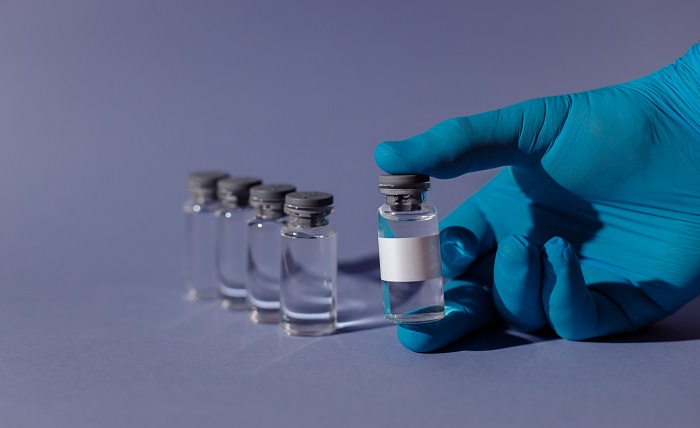
Bacteriostatic water is one of the most routine supplies in a research lab, which is exactly why its handling often gets overlooked. A vial gets opened, used a few times, pushed to the back of a shelf, and forgotten. But how a reconstitution solution is stored and accessed has a direct effect on how reliable it stays from the first draw to the last.
This guide walks through practical, lab-tested habits for storing, opening, using, and tracking bacteriostatic water. Most labs work with sealed 30mL BAC water vials, so the tips below are written with that common format in mind, though they apply to most vial sizes.
A Quick Refresher: What Makes It “Bacteriostatic”
Bacteriostatic water is sterile water with about 0.9% benzyl alcohol added as a preservative. The benzyl alcohol inhibits bacterial growth, which allows a single vial to be accessed multiple times over a limited period. It does not sterilize anything introduced into the vial, and it does not make the solution immune to contamination. It simply slows microbial growth.
That distinction matters. The preservative buys time and flexibility, but good handling is still what keeps a vial in good condition. Think of the preservative as a safety margin rather than a substitute for careful technique.
Storing Unopened Vials
Before a vial is ever opened, storage conditions set the baseline for everything that follows.
- Keep it at controlled room temperature. Roughly 68 to 77°F is generally recommended. Avoid areas near heaters, autoclaves, windows, or equipment that runs warm.
- Protect it from light. Direct sunlight and strong lighting can degrade some solutions over time. A closed cabinet or drawer is ideal.
- Keep it dry. Moisture around the cap and seal can encourage contamination at the stopper. Store vials away from sinks and humid areas.
- Store upright. Keeping vials upright minimizes prolonged contact between the solution and the rubber stopper.
- Rotate stock. Use a first-in, first-out system so older vials are used before newer ones.
Inspecting a Vial Before First Use
Every vial deserves a quick inspection before the seal is broken. This takes seconds and can prevent problems later.
- Check the seal. The tamper-evident closure should be intact. If the cap is loose, cracked, or missing, set the vial aside.
- Check the glass. Look for chips, cracks, or scratches, especially around the neck and shoulder.
- Check the solution. It should be completely clear and colorless, with no particles, haze, or discoloration.
- Check the label. Confirm the product, volume, and any lot or batch information are legible so the vial can be traced if needed.
If anything looks off, do not use the vial. Document what you found and contact the supplier.
Opening and Accessing a Vial
Each time the stopper is punctured, there is a chance of introducing contaminants. Consistent technique keeps that risk low.
- Work in a clean area. Use a clean, uncluttered surface, and follow your lab’s standard practices for the work area.
- Disinfect the stopper every time. Wipe the rubber stopper with 70% isopropyl alcohol on a sterile swab or pad before each access, not just the first one.
- Let it dry completely. Allow the alcohol to fully air dry before puncturing the stopper. Puncturing while it is still wet reduces its effectiveness.
- Use sterile, single-use equipment. Never reuse tools that contact the stopper or solution.
- Avoid touching the stopper. Once cleaned, the stopper should not be touched by hands or other surfaces.
Tracking the 28-Day Window
Once opened, bacteriostatic water is commonly used within 28 days, after which any remaining solution is discarded. The easiest way to stay on top of this is to make dates impossible to miss.
- Write the opening date on the vial as soon as it is first accessed. A small label or marker on the cap works well.
- Add the discard date too. Writing both dates removes the need for anyone to calculate it later.
- Keep a simple log. For labs with multiple vials in use, a shared sheet with vial, opening date, and discard date prevents confusion between team members.
- Plan your stock around usage. If your lab only uses a few milliliters per week, a smaller number of vials opened on a staggered schedule reduces waste.
Storing Opened Vials
Once a vial has been opened, a few adjustments help keep it in good condition for the rest of its window.
- Room temperature or refrigeration. Opened vials can typically be kept at controlled room temperature or refrigerated. Follow your lab’s protocol and keep the approach consistent.
- Keep it upright and covered. Return the vial to its storage spot right after use rather than leaving it out on the bench.
- Separate opened from unopened stock. A dedicated bin or shelf for opened vials makes it obvious which ones are on the clock.
When to Discard a Vial
When in doubt, throw it out. Discard a vial if:
- It has passed 28 days since opening
- The solution has become cloudy, discolored, or contains particles
- The stopper is damaged, cored, or leaking
- The opening date was never recorded and cannot be confirmed
- The vial was dropped, cracked, or exposed to extreme heat
The cost of a replacement vial is small compared to the cost of questionable results.
Starting With a Quality Product
Good handling can preserve quality, but it cannot create it. The condition of a vial when it arrives sets the ceiling for everything that follows. Before choosing a supplier, look for:
- An independent, third-party Certificate of Analysis (COA)
- Test results for sterility, bacterial endotoxins, benzyl alcohol content, and pH
- Glass vials with tamper-evident seals
- Clear research-use labeling with traceable lot information
A published COA lets you confirm the starting quality before a vial ever reaches your shelf, rather than taking it on faith. Some suppliers, such as lambdawater.com, post their full third-party lab report online so it can be reviewed before ordering.
Final Thoughts
Handling bacteriostatic water well comes down to a few consistent habits: store it cool, dry, and dark; inspect every vial before first use; clean the stopper before every access; and track the 28-day window clearly. None of these steps take more than a few seconds, but together they keep a routine supply from becoming an uncontrolled variable in your work.
Products discussed in this article are intended for research, laboratory, and analytical use only.