
School mornings in your house probably look familiar. The mad dash to find PE kits, forgotten homework tears, and that sinking feeling when your child says they don’t want to go to school again.
You’re not alone in wondering if there’s a better way to educate them.
Online primary schools in the UK have grown massively over the past few years. Some parents stumbled into them during the lockdown period and never looked back. Others have been searching for alternatives because traditional schooling just isn’t working for their children.
But here’s what nobody tells you upfront: switching to online primary school feels like jumping off a cliff. You’re abandoning everything you know about education and trusting your child’s future to a computer screen.
What Are We Actually Talking About Here?
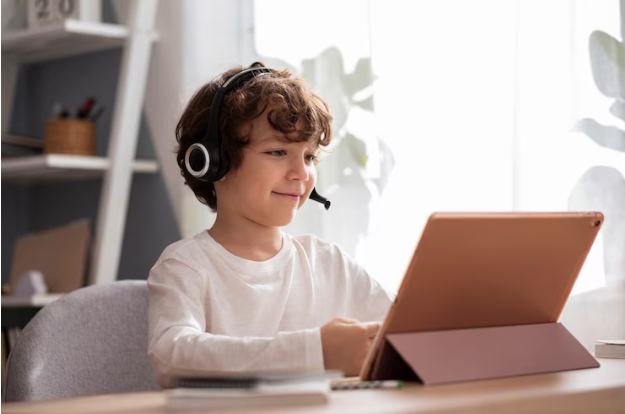
Online primary schools deliver proper education through the internet. Not YouTube videos or random apps, but structured lessons with qualified teachers who’ve actually trained to work with children.
Most follow the National Curriculum that traditional schools use. Your child studies the same subjects: English, maths, science, history, and geography. The difference is where they learn it.
Some schools run live lessons where children join virtual classrooms at specific times. Others offer recorded content you can access whenever it suits your family. Many mix both approaches because, frankly, pure flexibility sounds great until you realise children often need structure.
The technology side usually isn’t as complicated as parents fear. Most families manage with a decent laptop or tablet and reliable internet. Though you’ll definitely want backup internet options because nothing ruins a maths lesson quite like the WiFi cutting out mid-explanation.
Why Parents Are Making This Choice
Personal Attention That Actually Happens
Traditional primary school classes often have 30 children. Teachers try their best, but your child might get genuinely individual help for about five minutes per day. Online primary school classes are typically much smaller. Teachers notice when your child struggles with fractions or excels at creative writing.
Freedom From School Politics
Remember your own primary school? The playground hierarchies, the friendship drama, the daily stress of fitting in? Online schooling removes most of that social pressure. Your child can focus on learning instead of navigating complex social situations they’re not developmentally ready for.
Flexible Family Life
School holidays become suggestions rather than commands. You can take cheaper holidays, visit grandparents whenever needed, or simply have a slower morning routine. Some families discover they’re much happier when they’re not constantly rushing to meet someone else’s timetable.
Learning at Natural Speed
Bright children don’t have to wait for others to catch up. Children who need extra time get it without public embarrassment. Everyone learns at their own pace instead of being dragged along by arbitrary term schedules.
The Worries That Keep You Awake
“What About Socialisation?”
This question haunts every parent considering online primary school. Here’s the thing, though – how much genuine socialisation happens in traditional primary school? Children sit in rows, can’t talk during lessons, and have limited playtime with restricted friendship choices.
Many online school families find their children socialise more meaningfully through local home education groups, sports clubs, drama classes, and community activities. The friendships often seem more natural because they’re based on genuine shared interests rather than just proximity.
“Can I Actually Support My Child’s Learning?”
You don’t need a teaching degree. Online schools provide detailed guidance for parents. You become more of a learning supporter than an instructor. Most parents find they understand their child’s education better than they ever did with traditional school.
Though yes, some days you’ll feel completely out of your depth. That’s normal. Traditional school parents feel the same way when trying to help with homework they don’t understand.
Will They Meet Academic Standards?
Online primary schools must meet the same educational requirements as traditional schools. Many students actually progress faster because they receive more individual attention and can work without classroom distractions.
Regular assessments track progress. You’ll probably know more about your child’s academic development than you would with traditional schooling.
The Reality of Daily Life
Your child typically starts with morning registration or assembly. Then follows a structured timetable including live lessons, independent study time, and small group sessions.
You receive detailed daily reports showing what your child covered and how they performed. This transparency can be overwhelming at first – you suddenly see exactly where they struggle and excel.
The workload varies. Some days feel manageable, others feel intense. Just like traditional school, but you’re more aware of the ups and downs because you’re present for them.
Money Matters
Online primary schools typically cost between £3,000 and £8,000 annually. That sounds expensive until you calculate traditional school costs: uniforms, shoes, bags, lunch money, school trips, after-school clubs, tutoring for struggling areas.
Some families find online school actually costs less overall. Others struggle with the upfront fees. Many schools offer payment plans or occasional bursaries.
Choosing the Right School
Not all online primary schools operate equally. Some warning signs to avoid:
Schools with no qualified teacher information listed anywhere. Schools that can’t provide references from current families. Providers making unrealistic promises about academic progress. Schools with no trial periods or money-back policies.
Check Department for Education registration. Look for Ofsted reports where available. Speak to current families about their honest experiences.
Is This Right for Your Family?
Online primary school works best when your child responds well to individual attention, when you can commit time to support their learning, and when traditional school isn’t meeting their needs.
It’s challenging. Some days you’ll question everything. But many families find it transforms their children’s relationship with learning.
Your child’s primary education happens once. Whatever choice you make will influence their entire academic journey. Take time to explore whether online learning might unlock potential that traditional schooling couldn’t reach.