

Introduction
Organizations today operate in an environment of constant change. Market competition, digital transformation, and customer expectations demand agility and innovation. At the heart of this transformation lies a powerful framework: people, technology, and processes.
Think of them as three interdependent pillars. People bring creativity, decision-making, and culture. Technology provides tools that enhance speed, reach, and capabilities.
Processes establish the structure that keeps everything efficient, repeatable, and scalable. When all three align, businesses can adapt quickly, serve customers better, and drive sustainable growth.
This article explores the concept of people, technology, and processes in depth—how they work together, why alignment is critical, and how organizations can optimize them for success.
What Are People Technology and Processes?
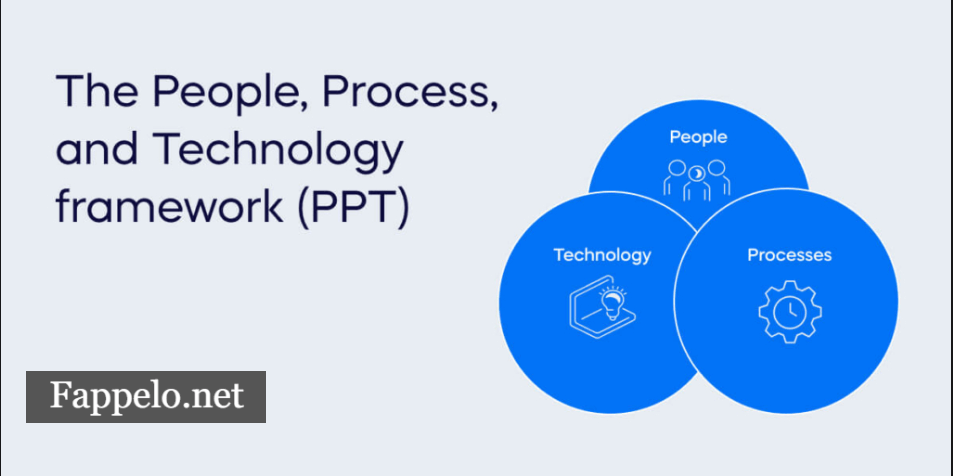
- People – Employees, leaders, and stakeholders who drive innovation and ensure value delivery.
- Technology – Digital tools, platforms, and systems that empower efficiency and decision-making.
- Processes – Defined workflows, structures, and procedures that create consistency and reliability.
Together, these three form a strategic triad. Businesses that focus on all three—not just one—achieve better performance, scalability, and resilience.
The Role of People in People Technology and Processes
Why People Come First
People are the foundation. Without skilled and motivated individuals, technology and processes are meaningless. Employees bring problem-solving abilities, adaptability, and emotional intelligence—qualities machines can’t replicate.
Key elements of the “People” pillar include:
- Skills and knowledge – The expertise employees bring to their roles.
- Culture and engagement – Shared values and motivation.
- Leadership – Vision, guidance, and decision-making.
- Collaboration – Teamwork across departments and geographies.
Real-World Example
Tech giants like Google and Microsoft emphasize people-first strategies by investing in employee training, well-being, and empowerment. The result is innovation at scale and a strong competitive edge.
The Role of Technology in People Technology and Processes
Why Technology Is a Game-Changer
Technology amplifies human potential. From artificial intelligence to automation, the right digital tools accelerate workflows, enhance customer experiences, and enable data-driven decisions.
Core areas where technology transforms businesses include:
- Automation – Reduces repetitive manual work.
- Data analytics – Provides insights for smarter decision-making.
- Collaboration platforms – Tools like project management software or video conferencing.
- Cybersecurity – Protecting sensitive information and ensuring compliance.
Example in Action
Retail companies use AI-driven analytics to predict customer demand, manage inventory, and personalize marketing. Without technology, scaling such operations would be impossible.
The Role of Processes in People Technology and Processes
Why Processes Provide Structure
Processes are the backbone of operational excellence. They standardize workflows, reduce inefficiencies, and ensure accountability.
Elements of strong processes include:
- Clear documentation – Everyone knows their responsibilities.
- Standardization – Reduces errors and inconsistencies.
- Scalability – Systems that grow with the organization.
- Continuous improvement – Processes evolve with business needs.
Example in Action
Toyota’s famous lean manufacturing process is a prime example. By focusing on waste reduction and continuous improvement, Toyota has remained a global leader in efficiency.
The Interconnection of People Technology and Processes
Why Integration Matters
Each pillar is powerful on its own, but real success comes from integration. If people lack training, technology goes unused. If processes are rigid, innovation suffers. If technology is outdated, processes break down.
Balanced alignment ensures:
- People use technology effectively.
- Technology supports and streamlines processes.
- Processes empower people without stifling creativity.
Benefits of Aligning People Technology and Processes
When organizations successfully align these three elements, they unlock significant benefits:
- Improved productivity – Less wasted time and resources.
- Stronger innovation – A culture where people and tools enable creativity.
- Higher customer satisfaction – Faster, more personalized service.
- Scalability – Systems ready to handle growth.
- Resilience – The ability to adapt to market changes.
Challenges in Balancing People Technology and Processes
Even with the best intentions, organizations face obstacles:
- Resistance to change – Employees may fear new technology or processes.
- Over-reliance on technology – Forgetting the human element.
- Rigid processes – Stifling creativity and flexibility.
- Skill gaps – Employees may lack training for advanced tools.
- Integration issues – Technology that doesn’t align with business goals.
Strategies to Optimize People Technology and Processes
Step 1: Invest in People
- Provide regular training and upskilling.
- Encourage open communication and feedback.
- Foster a culture of innovation and inclusivity.
Step 2: Leverage the Right Technology
- Adopt tools that meet actual business needs.
- Ensure cybersecurity and compliance.
- Regularly update systems to stay current.
Step 3: Refine Processes Continuously
- Audit workflows regularly.
- Eliminate redundancies.
- Apply methodologies like Agile, Lean, or Six Sigma.
Step 4: Ensure Alignment Across the Triad
- Involve employees in technology adoption.
- Align processes with customer experience goals.
- Use data to measure success and guide improvements.
People Technology and Processes in Different Industries
Healthcare
- People: Doctors, nurses, administrators.
- Technology: Electronic health records, telemedicine platforms.
- Processes: Patient intake, diagnosis, and treatment protocols.
Manufacturing
- People: Engineers, operators, quality controllers.
- Technology: Robotics, IoT sensors, automation.
- Processes: Lean manufacturing, supply chain management.
Education
- People: Teachers, administrators, students.
- Technology: Learning management systems, virtual classrooms.
- Processes: Curriculum design, assessment, student support.
Table: Comparison of People, Technology, and Processes
| Element | Strengths | Risks if Ignored | Optimization Focus |
| People | Creativity, adaptability, leadership | Low morale, skill gaps | Training, culture, leadership |
| Technology | Speed, efficiency, data insights | Obsolescence, misuse | Smart adoption, integration |
| Processes | Structure, scalability, consistency | Inefficiency, rigidity | Continuous improvement |
Actionable Insights for Leaders
- Adopt a people-first mindset – Technology and processes should support employees, not replace them.
- Measure what matters – Use KPIs to track efficiency, satisfaction, and innovation.
- Promote cross-functional collaboration – Break silos to ensure alignment.
- Plan for scalability – Design processes and adopt technology with future growth in mind.
- Embrace continuous change – Flexibility is key in today’s dynamic markets.
Conclusion
Organizations that succeed in today’s world are those that recognize the power of people, technology, and processes working together.
This triad is not just a business model; it is a philosophy of balance and alignment. People bring vision, technology accelerates capability, and processes provide structure.
By focusing on training, adopting the right tools, and creating adaptive workflows, businesses can unlock innovation, resilience, and growth. The future belongs to organizations that master the art of integrating people, technology, and processes into every level of their operations.
FAQs
Q1: What does “people technology and processes” mean?
It refers to the framework where employees, digital tools, and structured workflows work together to achieve organizational success.
Q2: Why are people more important than technology or processes?
People drive creativity, decision-making, and innovation. Without skilled employees, technology and processes lose effectiveness.
Q3: How do businesses balance people technology and processes?
By investing in employee development, adopting suitable technology, and continuously refining processes to adapt to change.
Q4: Can small businesses apply the people technology and processes model?
Yes. Even small companies benefit by aligning employee skills, simple technologies, and clear workflows.
Q5: What happens if one element is ignored?
Ignoring one leads to imbalance—such as inefficiency, low morale, or outdated systems—which can harm overall performance.