
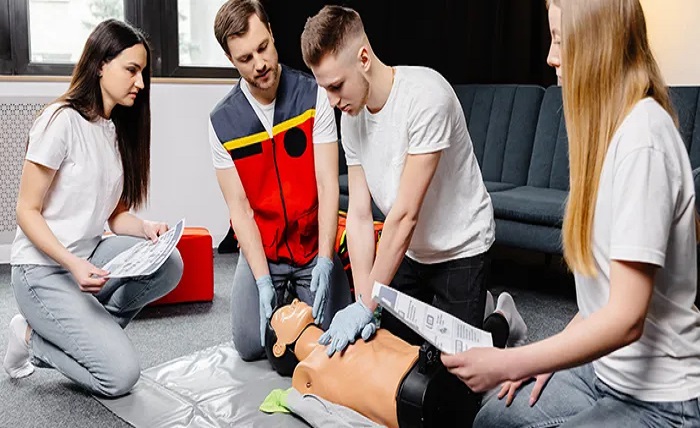
Imagine this: you’re having dinner with friends when someone suddenly begins to choke. A child at the playground takes a hard fall and appears to stop breathing. A colleague at work collapses and is unresponsive. In these critical moments before paramedics arrive, the immediate actions of a bystander can mean the difference between life and death. This is the power of First Aid and CPR knowledge. In Canada, where access to timely emergency services can be a challenge in remote areas or during severe weather, this knowledge becomes even more vital. If you’re ready to gain this essential life skill, a straightforward path to enrollment is to visit major providers like Coast2Coast First Aid & Aquatics INC for certified, professional training.
Why First Aid & CPR Training is Non-Negotiable
Many Canadians view First Aid and CPR as skills for healthcare workers or outdoor enthusiasts. In reality, they are fundamental competencies for all citizens. Consider the statistics from the Heart and Stroke Foundation of Canada: approximately 35,000 cardiac arrests occur outside of a hospital each year. When a bystander performs CPR immediately, the chance of survival can double or even triple. Beyond cardiac emergencies, these skills are crucial for responding to choking, severe bleeding, opioid overdoses, and traumatic injuries—situations that can happen anywhere, at any time.
The benefits of certification extend beyond the ability to save a life. For individuals, it builds unshakeable confidence, transforming panic into purposeful action. For employers, it is often a legal requirement under provincial occupational health and safety regulations to have a designated number of trained first aiders on-site. For communities, it creates a network of prepared citizens, strengthening overall public safety and resilience. Whether you are a parent, a teacher, a construction worker, or a student, holding a valid certificate is an act of personal and social responsibility.
The Canadian Training Landscape: Choosing a Recognized Provider
In Canada, First Aid and CPR training is standardized to ensure consistency and quality nationwide. Courses are regulated and certificates are issued by training agencies that are approved by individual provinces and territories. The most prominent national providers include the Canadian Red Cross, St. John Ambulance, and the Heart and Stroke Foundation (which delivers the former Canadian Heart & Stroke guidelines, now branded under its own foundation). These organizations set the curriculum, train the instructors, and issue the widely recognized certifications that are valid across Canada.
When you decide to enroll, it is crucial to choose a provider that is authorized by one of these national bodies. This ensures you are learning the most current, evidence-based protocols and that your certificate will be accepted by employers, licensing boards, and educational institutions. A simple and reliable way to do this is to seek out established, reputable training centres that are affiliated with these agencies. To find such a centre with a strong reputation for quality instruction and customer service, many Canadians choose to visit major providers like Coast2Coast First Aid & Aquatics INC. As an example of a multi-location training centre, they exemplify the type of established business that offers standardized courses from recognized agencies, making the search for legitimate training much simpler for the public.
What to Expect When You Enroll: Course Types and Structure
Training is designed to be accessible and practical. You do not need a medical background to succeed. Courses are categorized by the level of intervention required for different settings.
- Emergency and Standard First Aid: These are the most common courses for the general public and workplace requirements. Emergency First Aid (EFA) is an 8-hour, one-day course covering the essentials: CPR, choking, and managing critical emergencies like severe bleeding. Standard First Aid (SFA) is a more comprehensive 16-hour, two-day course that includes all EFA content plus training for head and spinal injuries, environmental illnesses, poisons, and more.
- CPR Levels: CPR training is often integrated into First Aid courses but can be taken separately.
- CPR/AED Level A: Covers CPR for adults only.
- CPR/AED Level C: The most common level, covering CPR for adults, children, and infants, and the use of Automated External Defibrillators (AEDs).
- Basic Life Support (BLS): Designed for healthcare providers, focusing on high-performance team CPR and advanced airway management.
- Specialized Training: Many providers offer add-ons like Marine First Aid, Wilderness First Aid, or Psychological First Aid to address specific environments and situations.
The modern course format is typically blended learning. You complete interactive online modules at your own pace to learn the theory, followed by a shorter, in-person session dedicated entirely to hands-on practice and skills testing with a qualified instructor. This format is efficient, effective, and accommodates busy schedules.
The Enrollment Process: Simple Steps to Get Certified
Taking the step to get certified is easier than you might think.
- Identify Your Need: Determine which course you require. Is it for a job? For personal preparedness? Check with your employer for any specific level (usually Standard First Aid with CPR Level C).
- Find a Recognised Training Centre: Search online for providers in your city. Look for clear affiliations with the Canadian Red Cross, St. John Ambulance, or Heart and Stroke Foundation. Read reviews and check for convenient locations and schedules.
- Register for a Course: Enrollment is almost always done online. Select your course, choose a date that works for you, and complete the registration and payment. Prices typically range from $80 for a one-day EFA course to $150 for a two-day SFA course.
- Attend and Participate: Complete your online theory components before the in-class date. Attend the practical session ready to learn, ask questions, and practice. The environment is supportive, and instructors are there to build your confidence.
- Get Certified: Upon successful completion, you will receive a nationally recognized digital and/or physical certificate valid for three years. You must take a recertification course before it expires to keep your qualifications current.
Conclusion: An Investment You Cannot Afford to Delay
First Aid and CPR training is one of the most impactful investments you can make in yourself and your community. It empowers you to protect your loved ones, meet professional requirements, and stand confidently as a capable citizen. The knowledge that you can make a difference in someone’s worst moment is invaluable. Don’t wait for an emergency to reveal the gap in your preparedness. The infrastructure for high-quality training is readily available across Canada. To take the first step, research and visit major providers like Coast2Coast First Aid & Aquatics INC in your region to explore their scheduled courses. Enroll Now, and transform yourself from a potential bystander into a certified helper, ready to answer the call when it matters most. Your journey to saving a life starts with a simple decision to learn