
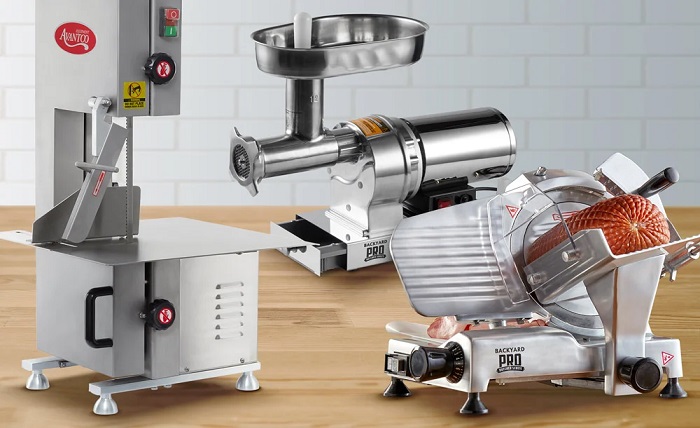
Industrial machinery is essential for modern manufacturing and requires regular maintenance, including cleaning and preparation, to ensure peak performance. Proper equipment for these tasks boosts efficiency, extends machine lifespan, and enhances operator safety.
Why the Right Equipment Matters
Using the correct equipment for machinery maintenance is not just a matter of convenience; it’s a necessity. Improper cleaning methods can cause significant damage, leading to costly repairs and extended downtime. For instance, using an abrasive cleaner on a sensitive component could ruin it, while failing to remove all debris can lead to mechanical failures.
Proper equipment ensures that cleaning and preparation are performed effectively and safely. It allows operators to reach difficult areas, remove stubborn contaminants like grease and rust, and prepare surfaces for new coatings or parts. This level of precision and thoroughness directly translates to improved machine performance, fewer breakdowns, and a safer workplace for everyone involved. Investing in quality equipment is an investment in the reliability and longevity of your most valuable assets.
Types of Cleaning Equipment
A variety of specialized equipment is available to tackle the diverse cleaning challenges presented by industrial machinery. Each type is designed for specific applications and levels of contamination.
Pressure Washers
Pressure washers use high-pressure water jets to blast away dirt, grime, grease, and other loose contaminants from surfaces. They are highly effective for cleaning large surface areas quickly.
- Hot Water vs. Cold Water: Hot water pressure washers are particularly effective at breaking down oil and grease, making them ideal for heavy-duty industrial applications. Cold water units are suitable for general dirt and dust removal.
- Best Practices: When using a pressure washer, start with a lower pressure setting and gradually increase it to avoid damaging the machine’s surface. Use appropriate nozzles for the task—wider fan nozzles for general cleaning and narrower, more focused nozzles for stubborn spots. Always maintain a safe distance from the surface to prevent paint stripping or damage to delicate components.
Steam Cleaners
Steam cleaners use high-temperature steam to dissolve tough grease, oil, and other residues without the use of harsh chemicals. The heat also sanitizes surfaces, killing bacteria and mold.
- Benefits: Steam cleaning is an environmentally friendly option that reduces water consumption and eliminates chemical runoff. It’s excellent for cleaning sensitive electronic components and intricate parts where excess water could cause damage.
- Best Practices: Ensure the area is well-ventilated when using a steam cleaner. Wear heat-resistant gloves and eye protection to prevent burns. Test the steam on a small, inconspicuous area first to ensure it won’t damage the surface material.
Parts Washers
These are enclosed systems designed to clean smaller machine components. They use solvents or water-based detergents to remove grease, oil, and dirt.
- Types: Solvent-based parts washers are effective but require proper handling and disposal of hazardous materials. Aqueous (water-based) parts washers are a safer, more environmentally friendly alternative that uses detergents and heat.
- Best Practices: Always follow the manufacturer’s instructions for the specific solvent or detergent being used. Ensure components are fully submerged and allow adequate time for the cleaning cycle to complete. For a more sustainable option, consider using refurbished industrial brushes inside the washer to scrub parts effectively.
Overview of Preparation Equipment
Once a machine is clean, it often needs to be prepared for painting, coating, or repair. Preparation equipment ensures that surfaces are smooth, free of old coatings, and ready for the next step.
Sandblasters (Abrasive Blasting)
Sandblasting involves propelling abrasive materials at high velocity against a surface to remove rust, old paint, and other tough coatings. It creates a clean, profiled surface ideal for new coatings to adhere to.
- Abrasive Media: Various media can be used, including sand, glass beads, and steel grit. The choice of media depends on the surface material and the desired finish.
- Best Practices: Sandblasting is a hazardous process that requires a controlled environment and extensive personal protective equipment (PPE). Operators must use a blast hood with a dedicated air supply, protective clothing, and hearing protection. The area should be sealed off to contain dust and debris.
Grinders and Sanders
Handheld grinders and sanders are used for more localized surface preparation. They can smooth welds, remove small sections of rust, or feather the edges of existing paint.
- Types of Discs: Different discs are available for various tasks, including grinding wheels for heavy material removal and flap discs for a smoother finish.
- Best Practices: Select the appropriate disc and grit for the material and desired outcome. Apply even pressure and keep the tool moving to avoid creating uneven spots or gouging the surface. Always wear safety glasses and gloves.
Safety First: PPE and Precautions
Working with industrial cleaning and preparation equipment carries inherent risks. Adhering to strict safety protocols is non-negotiable.
- Personal Protective Equipment (PPE): The required PPE varies depending on the equipment being used. At a minimum, operators should always wear safety glasses or goggles, heavy-duty gloves, and steel-toed boots. Additional PPE may include:
- For Pressure Washing: Waterproof overalls and face shields.
- For Steam Cleaning: Heat-resistant gloves and aprons.
- For Sandblasting: Full-body protective suits, respiratory protection (blast hoods), and hearing protection.
- For Grinding: Face shields, dust masks, and hearing protection.
- Work Area Safety: Ensure the work area is clean, well-lit, and properly ventilated. Use lockout/tagout procedures to de-energize machinery before beginning any maintenance work. Keep fire extinguishers and first-aid kits readily accessible.
Conclusion
Regular cleaning and preparation of industrial machinery extend its lifespan and ensure consistent performance. Proper maintenance leads to fewer breakdowns, reducing downtime and boosting productivity. It also helps maintenance teams identify potential issues like leaks or cracks earlier.