

The Everest Three High Passes is a difficult trail passing over Kongma La (5,535m), Cho La (5,420m), and Renjo La (5,360m) passes. It provides amazing sights of Everest and other mountains besides linking Everest Base Camp, Gokyo Lake, and the valleys surrounding it.
The Himalayas are heavily snowed in during winter, get cold at night, and sometimes have unwelcoming passes. The weather of December is clear yet cold, to such an extent that the temperature plunges in the night, making the trek tough. The villages could be deserted because the inhabitants go down to a lower altitude during winter.
December rules out trekking the Everest three high passes at a stretch due to poor weather, and inexperienced trekkers demand technical snow and ice equipment, as well as good physical health. It is not advisable for regular hikers because of the harsh weather and possible closure of the route in the snow.
Weather Conditions in December
Everest Three High Passes Trek is extremely cold in December, where temperatures in the day are between -5°C and 5°C. Night temperatures can drop between -15°C and -20°C, creating a dangerous risk of frostbite. Proper thermal clothing and protection are essential.
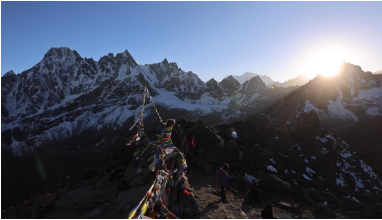
It has relatively clear weather throughout December, and the view of the Himalayas is breathtaking. But there are fewer days of daylight, and trekking time is shorter. Trekkers need to put strategies in place to ensure that they do not move in darkness or even the cold scenes of twilight.
The lengths of the trails have also been known to have snow, particularly the high passes, like the Kongma La, Cho La, and Renjo La. Such a snow cover leads to slippery paths and more dangerous conditions requiring technical equipment, such as crampons and an ice axe, and experience of trekking in the snow.
Trail Conditions and Pass Conditions
The major highlight are the three main passes: Kongma La, Cho La, and Renjo La passes. They feature amazing views but need proper attention to navigate because of the altitude and high terrain difficulties.
During December, snow and ice usually cover these passes, and the trails get slippery and more hazardous. Crampons and experience of crossing icy fields are the minimum gear to provide safe crossings.
In winter, there are fewer trekkers and the routes become very calm. This isolation adds joy to the trekking experience as well as increases self-sufficiency and safety along less-traveled paths.
Pros of Trekking in December
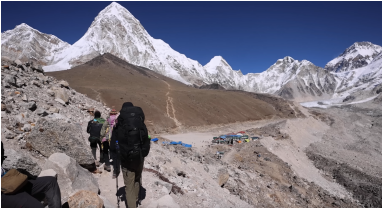
The Everest trek with the three high passes in December is an added benefit of a lower-crowd population. Trails are quiet, and tea houses offer a better chance of space to be found, giving a quieter and more personal trekking experience.
December is a spectacular month in winter. Cold mountain tops covered in snow shine in clear skies, and frosty lakes contribute to the enchantment, photography, and idyllic nature scenes.
Flight availability is better in December compared to peak seasons.. The flights in and out of the Everest region are not as busy as during peak trekking seasons, and travelling will be smoother and mostly easier to plan as a trekker
Cons and Challenges
December is cold in the Everest Three high passes, which leads to frostbite and hypothermia. So, you must dress properly and carry the necessary equipment, especially at night and in the early morning.
The trail surfaces will get harder when there are slippery and icy routes. Certain side paths might be closed in the case of a lot of snow or the danger of an avalanche, and that further introduces uncertainty and might force detours or cancellations.
The supply of tea houses is scarce during December. Several tea houses shut down at the beginning of winter, which limits lodging opportunities and forces trekkers to book rooms in advance or bring more camping equipment.
It may cause altitude sickness to be enhanced by the harsh weather. Cold at high altitude put heavy pressure on the acclimatization ability of the human body, and slow pacing and attentive observation are imperative.
Is it Possible? Key Considerations
In December, we will have a chance to trek the Everest Three High Pass,but can be challenging even for experienced trekkers. Severe cold, snow, and altitude require a high level of physical fitness and prior experience of high altitude trekking in winter.
Safety and comfort depend on the proper equipment. Necessary gear such as insulated attire, having crampons during ice-covered areas, and top-tier winter sleeping bags are very useful to endure freezing temperatures of low temperatures at night.
It is very advisable to employ a guide and porter. Treks are also tricky when there is snow on the path, and guides are useful in terms of knowledge of the path and support, making a trek to a low-risk environment and a safer trek.
Route Adjustments and Alternatives
If high passes are too threatening because of snow or ice, trekkers may need to make detours or alternative routes to maintain safe passage. Hence, there should be flexibility in the itinerary while trekking in December.
Still lower altitude trekking, such as Everest Base Camp only, is a safer backup trekking option to consider because they are less sensitive to winter’s wrath, and still provides incredible views without needing to do high passes.
Although we believe that helicopter support is vital in emergencies. We feel it offers peace of mind in a winter trek since choices are limited when conditions are getting harsh in December.
Essential Packing List for December
During December, the clothes needed for trekking include layering. A warm down jacket, a base layer with thermal base, and a windproof and waterproof shell against cold winds and snow are essential in winter.
Sturdy hiking shoes are required to keep one warm during trekking in the winter. Use them in conjunction with crampons to safely walk on Icy and slippery paths, which are common in the Three High Passes in December.
Such essentials are a good sleeping bag with a rating of nearly -20°C or colder. It is incredibly cold at night; proper insulation in the sleeping bag guarantees a good rest and protection against the cold.
UV-blocking sunglasses are necessary in order to counteract the snow glare. Sunscreen with high SPF will cover your eyes and skin against damaging sun rays reflected in the snow.
Warm gloves, a wool hat, trekking poles to make a hiking walk steady, a headlamp as it gets shorter in daylight hours, and a good water bottle to keep yourself hydrated in dry winter air are also important.
Safety Tips for Winter Trekking
A weather forecast is essential during winter trekking, with regular monitoring of weather forecasts. Unexpected storms or temperature changes might take place, and keeping up to date provides trekkers with the knowledge to make safe choices and make contingency plans.
Hydration exposure is usually ignored during cold weather because the feeling of being thirsty is reduced. Nevertheless, loss of body fluids may increase the effects of altitude sickness and general fatigue, and one is required to take enough fluids in a day.
It is essential to acclimatize properly in order to prevent altitude sickness. Slower trekking enables your body to adapt to the higher altitude, thereby minimizing risks.
It is also necessary to have rest days and to hear the signals of your body. When the symptoms of altitude sickness are detected, one should proceed downwards or get medical assistance at once to avoid serious complications.
Conclusion
The Everest Three High Passes Trek in December is achievable, but only to well-prepared, experienced trekkers who are used to trekking in dangerous conditions of extreme cold.
To a beginner trekker, the trek is better timed in April, May / October November. The weather is a lot safer, the trails are far more stable, and the trek is a lot more comfortable, but still with an unbelievable mountain range in front of you.
The journey is tricky and beneficial at the same time. Carefully consider your skills and readiness before you take on the trek, as winter trekking will demand an acknowledgment of the power of nature and a strong preparedness.