
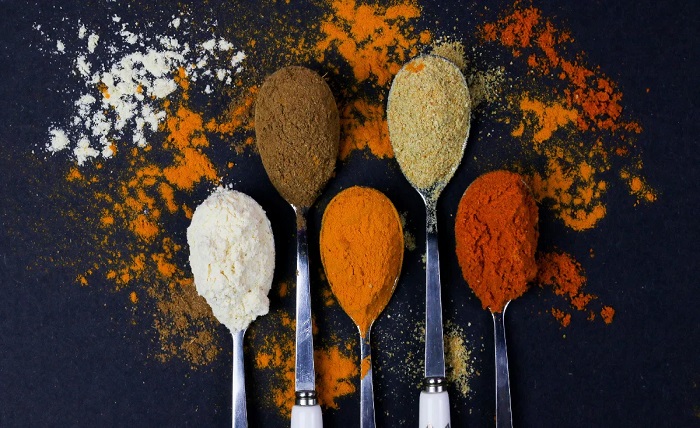
Spices have long been a cornerstone of culinary traditions worldwide. Among the myriad of spices available, turmeric and sumac stand out for their vibrant hues. While both lend a reddish tone to dishes, they differ in origin, flavor, and use. This blog shows you why these two remarkable spices are. Additionally, this blog helps you learn how to use them effectively in cooking.
Origins and Background
Turmeric
Turmeric is a rhizome closely related to ginger and native to South Asia. Its bright orange-red powder comes from drying and grinding the root. Turmeric spice has been a staple in Indian, Southeast Asian, and Middle Eastern cuisines for centuries. Its earthy, slightly bitter flavor is distinct, making it a popular addition to curries, rice dishes, and stews.
Sumac
Sumac, on the other hand, is derived from the dried berries of the sumac plant, which grows primarily in the Middle East and Mediterranean regions. Once dried and ground, sumac produces a deep reddish-purple powder. Its taste is tangy, slightly sour, and astringent, providing a citrusy kick that brightens dishes without adding liquid or acidity.
Flavor Profile
One of the most notable differences between turmeric and sumac is their flavor.
- Turmeric has a warm, earthy, and slightly bitter taste with subtle peppery undertones. Its flavor is robust and grounding, which is why it is commonly paired with other pungent spices like cumin, coriander, and chili.
- Sumac offers a sharp, tangy, and slightly lemony flavor. Unlike turmeric, it lacks bitterness and is often used to enhance freshness and acidity in dishes without the need for citrus juice.
Culinary Uses
Turmeric in Cooking
Turmeric is highly versatile in savory cooking. It is frequently used in:
- Curries and stews: Add color and depth to meat and vegetable dishes.
- Rice dishes: Enhances both color and aroma in pilafs and biryanis. You can also add a Cardamom spice to maximize its aroma.
- Marinades and rubs: Combines well with other spices to flavor meats and tofu.
- Soups: Provides a warm undertone in lentil and vegetable soups.
Due to its intense color, turmeric can also be used to give a golden hue to sauces, bread, or roasted vegetables.
Sumac in Cooking
Sumac is widely appreciated for its ability to add brightness to dishes. Common uses include:
- Salads: Sprinkled over fresh vegetables or grains to enhance flavor.
- Meat and fish seasoning: Works as a finishing spice for grilled or roasted meats and fish.
- Dips and spreads: Adds tang to yogurt or tahini-based dips.
- Rice and pilafs: Enhance presentation and add subtle tartness.
Unlike turmeric, sumac is typically used as a finishing spice rather than cooked into dishes for long periods. This preserves its vibrant color and zesty flavor.
Color and Presentation
Both turmeric and sumac are visually striking, but in different ways:
- Turmeric provides a bright golden-orange color that can instantly transform a dish’s appearance. Its color can sometimes stain cookware or hands, so caution is advised during preparation.
- Sumac has a deep reddish-purple tone that adds a rustic, elegant touch when sprinkled over salads, roasted vegetables, or grilled meats. Its rich color can enhance both the visual appeal and flavor profile of a dish.
Storage and Shelf Life
Proper storage is essential for maintaining the vibrancy and potency of both spices:
- Turmeric should be stored in a cool, dark place in an airtight container to prevent color and flavor loss. Ground turmeric can last for 2–3 years if stored properly.
- Sumac should also be kept away from heat and light. Its tart flavor and red color remain potent for about 1–2 years, making it best used fresh for optimal brightness.
Regional and Cultural Uses
Turmeric
Turmeric has been a staple in South Asian cuisine for centuries, especially in Indian, Pakistani, and Bangladeshi cooking. It is often an essential ingredient in:
- Curries and lentil dishes: Providing both color and flavor to vegetable, meat, and legume-based recipes.
- Rice and bread preparations: Turmeric adds a rich golden hue to pilafs, biryanis, and traditional flatbreads.
- Pickles and spice blends: Ground turmeric is frequently combined with chili powder, cumin, and coriander to make vibrant spice mixes used in pickling and seasoning.
In Middle Eastern and North African cuisines, turmeric is sometimes used in stews and tagines, lending a warm, earthy undertone to slow-cooked dishes.
Sumac
Sumac is widely celebrated in Middle Eastern, Mediterranean, and North African kitchens for its tangy, vibrant flavor. Its applications include:
- Salads and grain dishes: Sumac is a signature seasoning in tabbouleh and fattoush, adding a bright, acidic touch that enhances freshness.
- Marinades and rubs: Mixed with olive oil, garlic, and other spices, sumac provides a subtle tang to grilled meats and fish.
- Finishing spice: Often sprinkled on hummus, yogurt dips, or roasted vegetables just before serving to add a pop of color and flavor.
In Turkey and Iran, sumac is also commonly used to season kebabs, lending a unique tartness that contrasts beautifully with smoky grilled meats.
Pairing with Other Ingredients
Turmeric Pairings
Turmeric pairs well with a variety of spices and ingredients due to its earthy base:
- Spices: Cumin, coriander, black pepper, cardamom, and cinnamon.
- Proteins: Chicken, lamb, fish, tofu, and lentils.
- Vegetables: Cauliflower, potatoes, carrots, and leafy greens.
- Grains: Rice, quinoa, and bulgur wheat.
The combination of turmeric with aromatic spices enhances both color and complexity in savory dishes.
Sumac Pairings
Sumac’s tangy flavor complements ingredients that benefit from acidity or brightness:
- Herbs: Parsley, mint, and cilantro.
- Vegetables: Tomatoes, cucumbers, onions, and roasted peppers.
- Proteins: Lamb, chicken, fish, and legumes.
- Nuts and seeds: Pine nuts, almonds, and sesame seeds.
Its versatility allows sumac to be used in both raw and cooked applications, adding a lively finish to many dishes.
Conclusion
Turmeric and sumac are two distinct, visually striking spices that bring their own unique characteristics to the kitchen. Turmeric offers warmth, depth, and a bold golden-orange color that transforms cooked dishes, while sumac delivers tangy brightness and a deep reddish-purple hue that enhances freshness and presentation.
Understanding the origins, flavor profiles, culinary uses, and pairing possibilities of turmeric and sumac allows cooks to use these spices to their full potential. Whether you use them individually or together, they provide endless opportunities for creativity, turning ordinary meals into colorful, flavorful experiences that delight both the eyes and the palate.